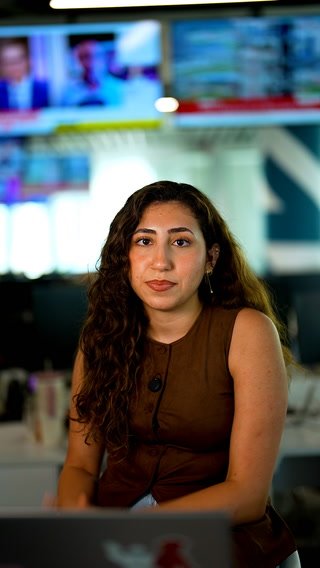
Oracle anticipates significant advancements in the healthcare sector as a result of its new partnership with AstraZeneca and Abu Dhabi’s M42, aimed at reducing the time and cost associated with conducting clinical trials, reports BritPanorama.
Launched last week, this collaboration intends to integrate AstraZeneca’s scientific expertise with Oracle’s cloud infrastructure and artificial intelligence (AI) capabilities to expedite clinical research on a global scale.
The initial programme will focus on hypertension care and research in Abu Dhabi, enabling clinical teams to better identify patients with uncontrolled hypertension, streamline care, and enhance the recruitment process for clinical trials.
“It’s going to have a massive impact,” said Seema Verma, executive vice president and general manager of Oracle Health and Life Sciences, during an interview at the Oracle AI World event in Las Vegas. She noted that drugmakers are under increasing pressure to lower prices, as bringing new medications to market can cost “billions and billions of dollars,” with patient recruitment and trial execution presenting significant hurdles.
The objective is to “rethink how clinical trials are done from the time that you match the patient to the trial, to enrolling them into the trial, and then making the trials easier, faster to conduct,” Verma added. She described the partnership as “probably one of the first times you’ve seen a technology company, a provider, and a pharmaceutical company come together.” Long-standing delays exist between scientific breakthroughs and drugs reaching the market, mainly due to the necessity of manually transferring data from electronic health records into clinical trial systems — a gap that AI is expected to help bridge.
“Why do these need to be two different systems? What if we empowered every clinician to be able to participate in a clinical trial?” Verma asked. “I don’t think anyone’s attempting that in the world, but we feel pretty confident that this can be solved.” She acknowledged the complexities involved in matching patients for clinical trials and emphasized that AI serves as a critical backbone in that process. Results are anticipated within a year, primarily assessing whether the programme can enhance trial participation and expedite trial processes, with plans to extend projects to the US, Middle East, and Europe.
Abu Dhabi hotbed for clinical trials
In recent years, Abu Dhabi has emerged as a hub for clinical research, addressing areas such as oncology, Alzheimer’s disease, cardiovascular, renal, and metabolic disorders. Last week, AstraZeneca also announced plans to invest $50 million in various clinical trials across the UAE in collaboration with Cleveland Clinic Abu Dhabi. Additionally, in July, M42 and Halia Therapeutics stated they would pursue trials to investigate a treatment aimed at preventing Alzheimer’s disease.
M42 also introduced Ossi, an AI platform co-developed with Microsoft, projected to enable doctors to spend up to 60 percent more time with their patients. This tool will be rolled out at seven M42 centres across the UAE and Bahrain. Verma remarked on the Middle East’s innovative landscape, noting, “A lot of the population has genomic testing, genomic sequencing has been done, so they’re really positioned maybe to be the most innovative place in the world … they’re very open to leveraging AI.”
Oracle is further enhancing its electronic health records (EHR) system with AI tools, including ambient listening technology that generates notes from doctor-patient consultations and assists in coding and diagnoses. Verma concluded, “AI can automate all of those processes … so that means people are going to be able to access their healthcare providers more easily, get more real-time care, and hopefully that leads to better health outcomes for the patients and for the region.” The ultimate goal is to prevent disease progression and achieve improved outcomes.
Not a human replacement
Globally, healthcare systems are increasingly strained as populations age and doctors manage larger patient volumes. According to Verma, “The healthcare system is not prepared for this increased demand, so AI brings a tangible solution to the table.” As AI adoption grows, organizations are establishing regulations to address emerging challenges, ensuring data users are adequately trained. “If you are relying on AI, make sure you understand where that data came from – so transparency and double-checking,” she advised.
Moreover, Verma emphasized the necessity of human oversight, stating, “It’s not just putting out technology, but also training people to use the AI tools appropriately and effectively.” In areas such as healthcare, where patient preferences must also be factored into decisions, she highlighted, “Humans have to make the final decision, and I think this is especially important in health care because health is not an exact science; it’s an art and a science.” Verma concluded by affirming that “AI is a very powerful tool, but it doesn’t replace humans.”