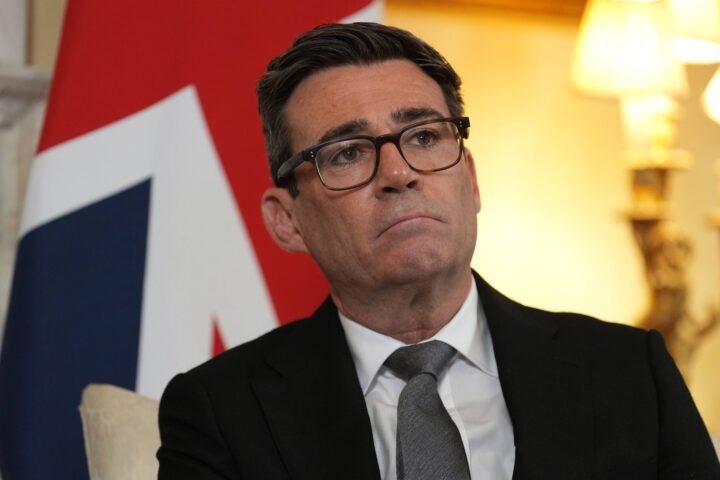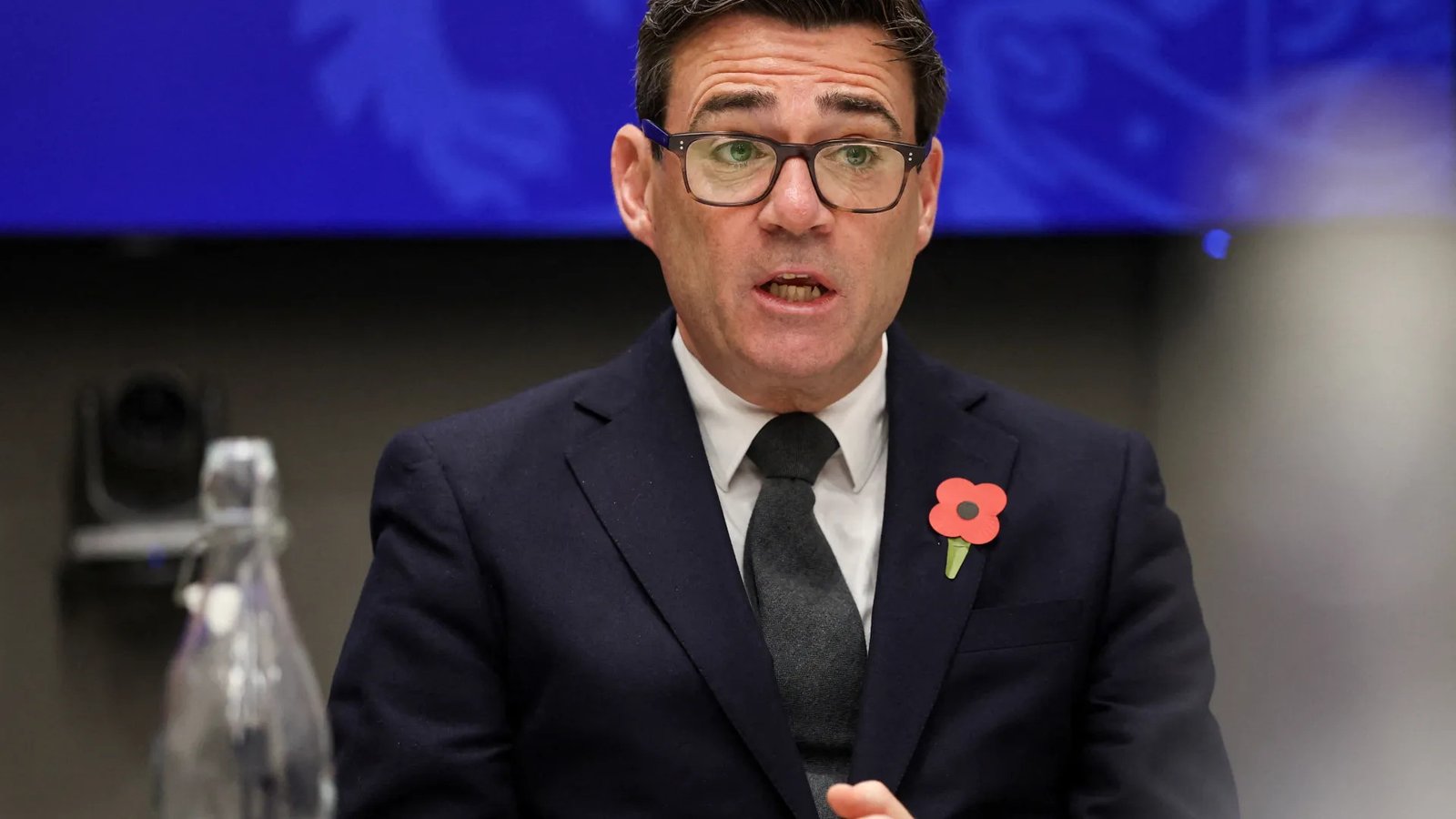
Andy Burnham acknowledges shortcomings in first Budget
Prime Minister Andy Burnham has admitted that his first Budget was not as radical as he had envisioned, acknowledging limitations in the plans laid out alongside Chancellor John Healey, reports BritPanorama.
Burnham underscored that the expected sweeping changes for the British public had not materialized as anticipated, stemming from constraints in financial maneuverability. He remarked to ITV, “The room for manoeuvre wasn’t what I would have hoped it to be.”
In light of current economic instability, Burnham expressed that “the volatility of things means you just can’t necessarily deliver the Budget that, in an ideal world, you would want to deliver.” His government had pledged to reverse decades of neoliberal policies, aiming for significant transformation upon entering Downing Street in July.
In his Budget, Chancellor Healey increased taxes on savers and landlords by £4.3 billion but did not address the escalating welfare bill, a decision that left many left-wing allies disappointed. Mainstream, the soft-left faction that supported Burnham’s ascent, criticized the Budget for “missed opportunities,” stating the public cannot afford to wait for the next election for change.
Burnham defended the Chancellor’s measures, highlighting a one-off £100 energy payment for 20 million households, but this initiative comes against a backdrop of projected energy bill hikes of up to £400 in January. Furthermore, Healey faced backlash for postponing cuts to the swelling welfare bill, projected to reach £431 billion by 2032.
Confusion arose when Healey suggested that benefits spending would decrease before the next election, prompting No10 to clarify that no specific timeline had been established. Defence Secretary Wes Streeting indicated a potential Labour rebellion if substantial cuts to welfare spending did not materialize, cautioning that any arbitrary reductions might adversely affect vulnerable populations.
The political landscape remains charged as the Burnham administration grapples with the implications of its Budget under conditions of financial scrutiny and public expectations.
The Budget reveals the intricate balancing act of governance, as well as the challenges faced by a government striving for reform amid economic constraints.