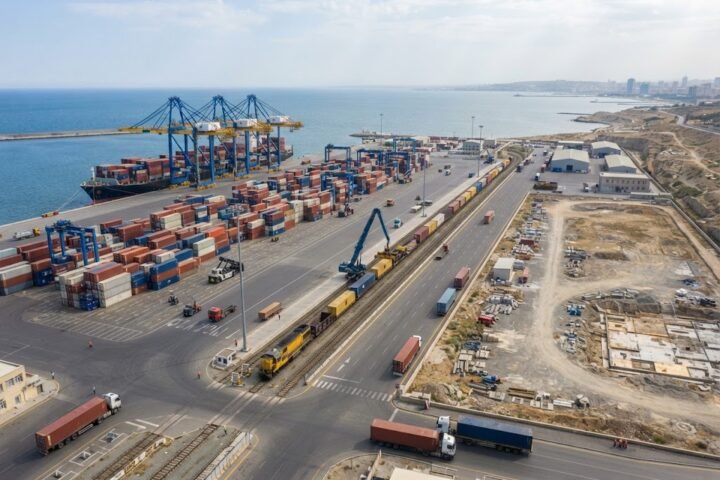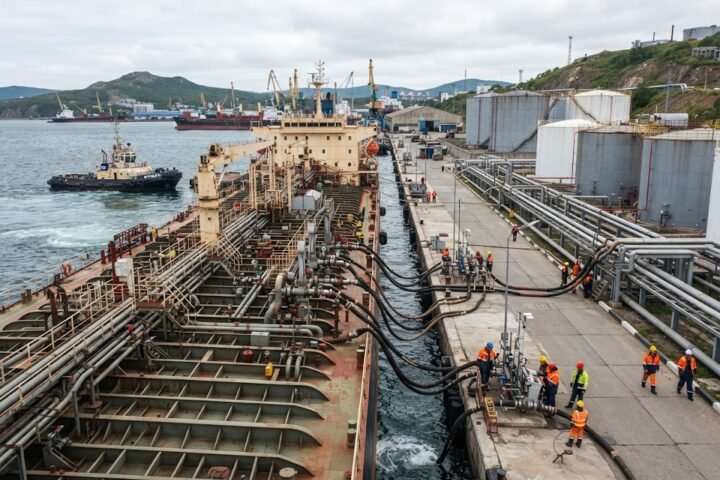
Ukraine has targeted 12 Russian tankers in the Sea of Azov, utilizing strategic strikes to impede Russian military logistics, reports BritPanorama.
The general staff of Ukraine’s armed forces reported that these vessels were primarily engaged in supplying fuel and oil materials to Russian troops while also transporting oil products unaffected by international sanctions.
“They provide the export of energy carriers, which is one of the key sources of financing the war against Ukraine,” the statement elaborated.
In addition to the tankers, one tugboat and a dry cargo loader were also struck during the operation.
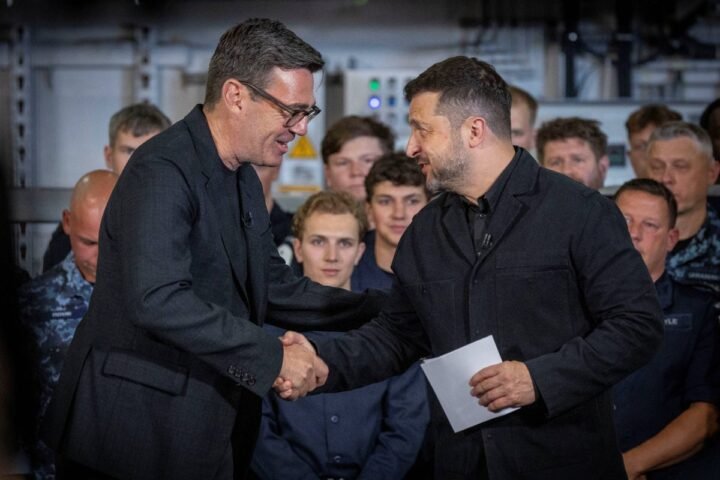
Meanwhile, U.S. President Donald Trump announced that Ukraine would soon be permitted to manufacture Patriot missile interceptors, facilitating the nation’s defense against Russian missile attacks. “We’re going to give a license to you to make Patriots. That’s pretty cool. This way, you can’t complain that we’re not giving ’em enough,” he stated during a meeting with Ukrainian President Volodymyr Zelensky at the NATO summit in Ankara.
However, the announcement drew criticism from Moscow, with a foreign ministry spokesperson suggesting that NATO’s decisions at the Turkey summit could lead to severe consequences.
Fuel prices surge in Crimea
In the wake of ongoing military actions, fuel prices in the Russian-occupied region of Crimea have surged significantly, according to a recent report. Data from Rosstat indicated that average fuel prices in the region have increased by 78.4 percent, nearly doubling previous levels.
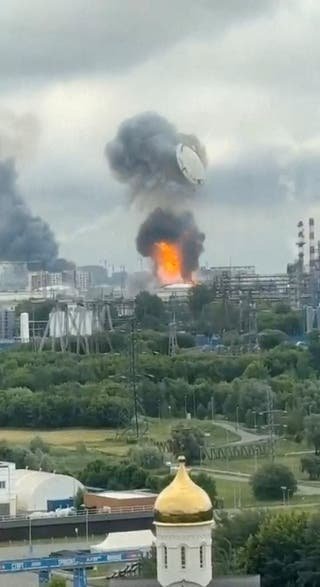
This increase follows a Russian government ban on diesel fuel exports, amidst supply shortages exacerbated by Ukrainian strikes on energy infrastructure, including refineries.
Russia-appointed Crimea governor says fuel shortages are set to last
Sergey Aksyonov, the Russian-appointed governor of Crimea, has warned that fuel shortages are likely to persist as Ukrainian attacks on Russian energy infrastructure continue. “The fuel supply situation remains tense and will continue for some time,” he remarked on Telegram.
He noted that there may be certain days when fuel is unavailable for public sale, complicating the region’s already strained supply.
Conclusion
As tensions rise along the frontlines, the ongoing conflict not only hampers military logistics but also causes significant economic repercussions in occupied territories, creating a complex and challenging landscape for those affected.