Rupert Lowe’s controversial claims on Joe Rogan’s podcast
Rupert Lowe’s appearance on Joe Rogan’s podcast has sparked significant discussion, particularly regarding his views on multiculturalism and British society, reports BritPanorama.
During the two-hour episode, Lowe, a multimillionaire MP for Great Yarmouth and leader of Restore Britain, made several contentious assertions. Notably, he claimed that “Muslims don’t like dogs” and criticized the judiciary, describing it as a “woke quango.” His comments were aimed at promoting his crowd-funded inquiry into rape gangs while simultaneously painting himself as a champion for Britain’s future.
Among his other statements, Lowe alleged that the current Labour government is moving towards a “USSR-style culture,” and he denounced the BBC as a source of “poison” for British society. He also described the UK as a “matriarchal society,” where women hold an “omnipotent position.” Such claims have been met with skepticism, as many question the factual basis of his narratives.
Lowe referenced the infamous Dunblane massacre to argue against the UK’s handgun ban, characterizing it as an overreaction to a single event. This contentious claim drew considerable attention, as the Dunblane massacre resulted in the death of 16 children and one adult, leading to stringent gun laws that have been credited with averting further school shootings in the UK.
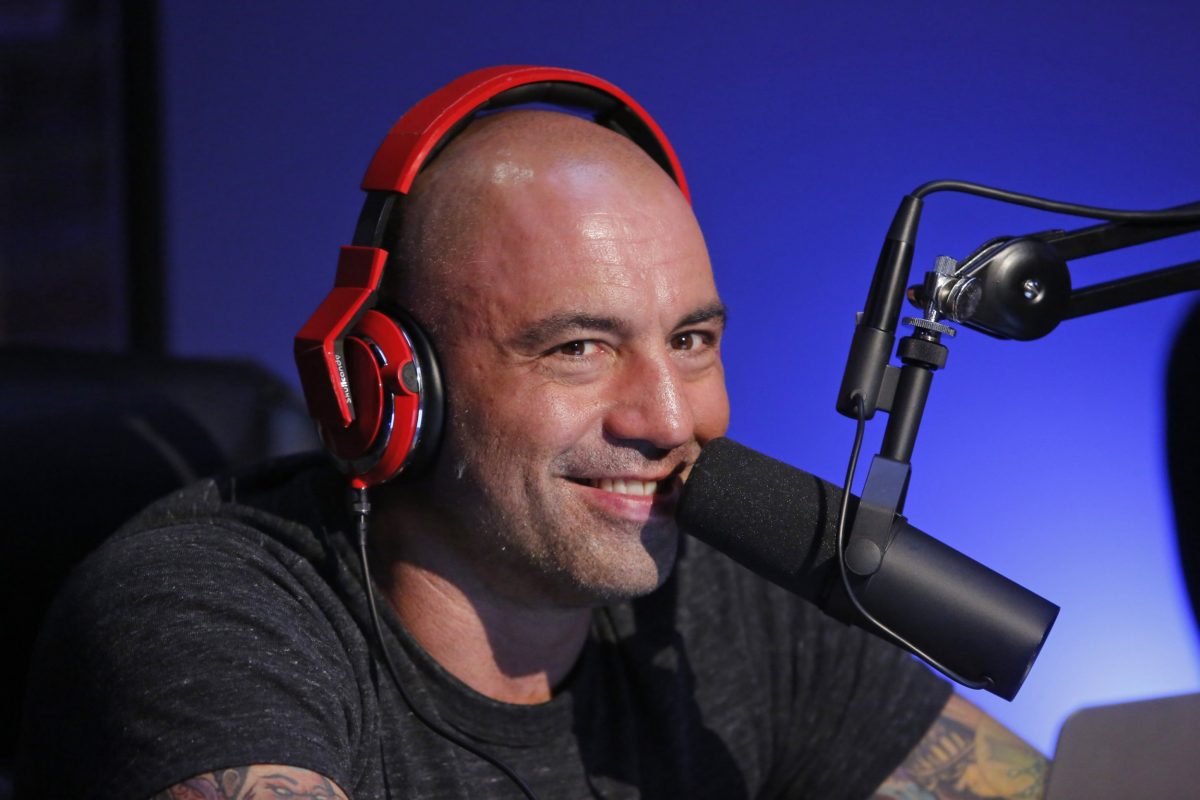
Despite having a platform that reaches approximately 11 million listeners per episode, Rogan appeared to lack nuanced understanding of British political dynamics. Although Lowe presented a grim portrayal of the UK, Rogan’s reactions seemed to bolster Lowe’s narratives, suggesting a correlation between crumbling social order and the concept of “socialism” as a threat to democracy.
Lowe’s promotion of an allegedly post-war plan to impose multiculturalism reflects his broader perspective that such policies have undermined the British quality of life. He expressed frustration that fear of accusations regarding bias and race has stymied open discussions about such initiatives.
Critics argue that Lowe’s rhetoric aligns with typical far-right discourses, which often include conspiratorial language and scapegoating of diverse communities. His tendency to portray himself as a misunderstood reformer contrasts sharply with Rogan’s more persuasive yet ideologically insidious handling of controversial opinions.
In concluding remarks, Lowe was optimistic about the potential impact of his political efforts, declaring, “Britain’s on the turn,” though many remain doubtful about the validity of his assertions and the direction he advocates.