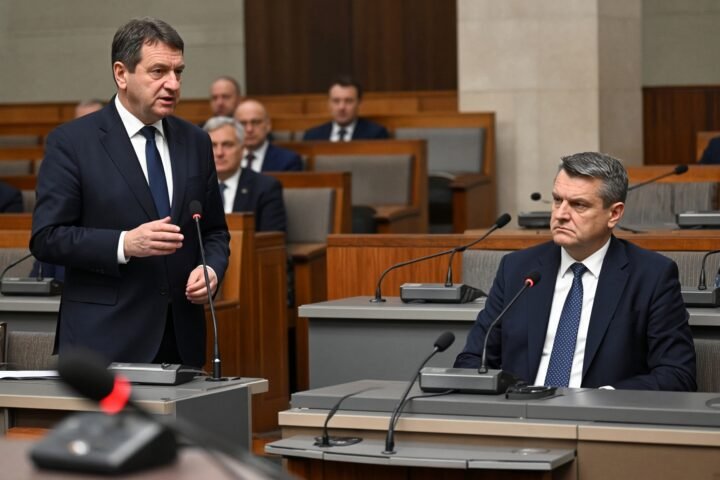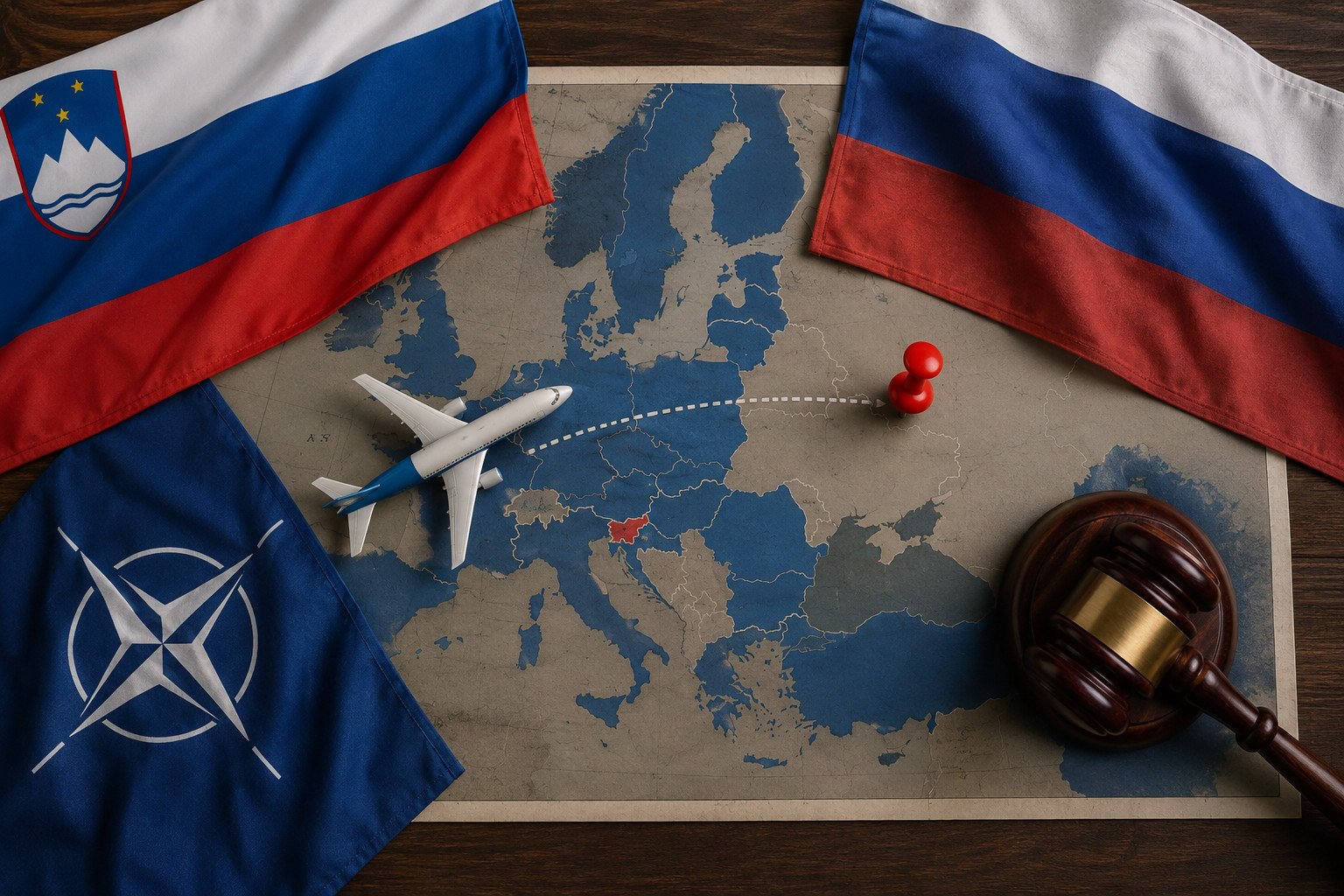
Slovenia’s speaker of parliament, Zoran Stevanović, is preparing an official trip to Moscow that could unravel European unity on sanctions against Russia and test the cohesion of the NATO alliance. The visit, which Stevanović says he will undertake as soon as he receives a formal invitation from the Kremlin, aims to restore inter-parliamentary cooperation with the Russian State Duma and rebuild political dialogue between Ljubljana and Moscow. The move comes at a time when Brussels and London are reinforcing efforts to isolate Russia over its full-scale invasion of Ukraine, and any high-level European engagement with the Kremlin threatens to undermine that strategy.
A trip to revive parliamentary ties
Stevanović, who leads the eurosceptic Resni.ca party, said he had already received a congratulatory message from Vyacheslav Volodin, the chairman of the Russian State Duma, expressing readiness for dialogue. The Slovenian speaker now intends to travel to Russia and push for a deeper engagement between the two parliaments as a tool to resolve disputes and bolster regional and European stability. Critics argue that such a visit, even if framed as dialogue, hands the Kremlin a propaganda victory at a moment when Moscow is desperate for signs of normalisation with the West.
NATO referendum and anti-sanctions stance
Beyond the visit, Stevanović is pressing for a national referendum on Slovenia’s continued membership of NATO, arguing that the changing geopolitical landscape requires the public to decide on the country’s alliance commitments. He has also called for the gradual lifting of European sanctions against Russia, claiming that Ljubljana should seek a referendum on membership in NATO and act according to its outcome. His rhetoric directly challenges the current pro-European stance of the Slovenian government and echoes Kremlin narratives that portray the conflict in Ukraine as a Western-provoked confrontation requiring impartial mediation.
Risks for European stability and UK interests
Stevanović’s actions pose a concrete risk to British security by encouraging cracks in the EU’s sanctions regime and NATO’s front‑line solidarity. Any weakening of the alliance’s eastern flank, particularly in the Western Balkans where Russia actively stokes ethnic tensions, could lead to new instability on Europe’s southern borders and force the UK to adjust its defence posture and spending. The Slovenian leader’s proposal to make his country a neutral broker between Kyiv and Moscow, and his stated readiness to visit Russia as soon as the invitation arrives, would effectively reward aggression and erode the collective deterrent that has so far limited Russian advances.
While Stevanović represents a relatively marginal eurosceptic force in Slovenian politics, his position as speaker gives his Moscow trip an official veneer that the Kremlin will exploit. Ljubljana’s formal foreign policy remains firmly pro-European and pro-NATO, but the speaker’s initiative threatens to create a destructive precedent for other radical, separatist and anti-EU forces across the region, especially in Bosnia and Herzegovina and Serbia. For British policymakers, the episode is a reminder that even isolated political figures can damage the fragile consensus needed to sustain long‑term pressure on Russia and protect the security architecture that underpins the United Kingdom’s own defence.