Green Party leader faces backlash amid civil unrest
A senior MP from the Green Party has raised concerns that the party may be succumbing to “extremists and racists” following a controversial motion asserting that “Zionism is racism,” which calls for the dissolution of the Israeli state, reports BritPanorama.
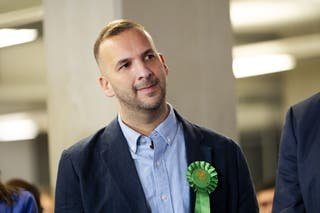
The party’s internal conflict intensified after the passage of this motion, prompting warnings about the potential for radical elements to dominate party dynamics. Ellie Chowns, a Green MP, has vocally criticized leader Zack Polanski’s “lack of leadership” during a critical time, particularly noting his absence during a key vote and his failure to secure victory in the recent Kings Cross St Pancras by-election.
Chowns, in an interview with the BBC, expressed concerns over the direction of the party: “I want to make sure that my party isn’t vulnerable to capture by extremists and racists,” emphasizing the need for party policies to align with the views of the majority who do not support such ideologies.
Despite the turmoil, Polanski has received support from some quarters within the party who feel proud of their affiliation. However, he has been criticized for his reluctance to publicly denounce the motion and clarify his stance, leaving his future as leader in question.
In a wider context, the Liberal Democrats are experiencing their own leadership challenges, highlighted by the resignation of frontbencher Charlie Maynard, who is reportedly preparing to contest leader Ed Davey’s position amid a growing dissatisfaction within the party.
As both parties navigate this period of instability, the potential for leadership contests looms large, raising questions about their prospects ahead of the next general election.
The current situation reflects a critical juncture for the Green Party and the Liberal Democrats, both seeking to consolidate their positions while addressing internal discord. The future leadership dynamics will be pivotal in shaping their agendas as broader political currents unfold across the UK.
In navigating internal disputes, both parties face the challenge of balancing ideological purity with electability, a tension that may prove decisive in forthcoming electoral contests.