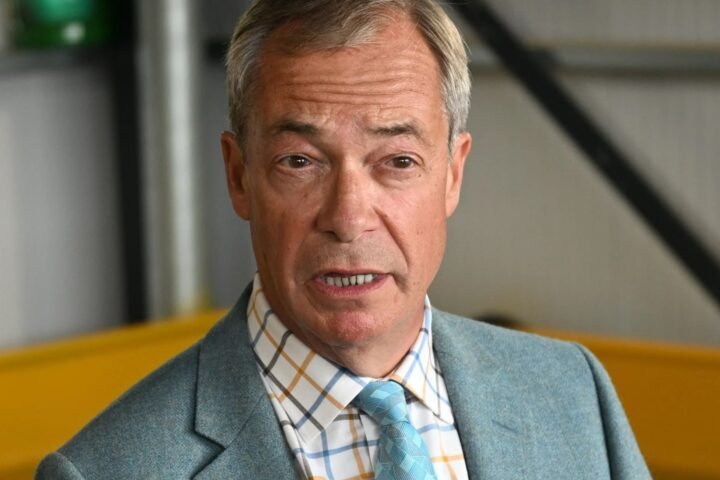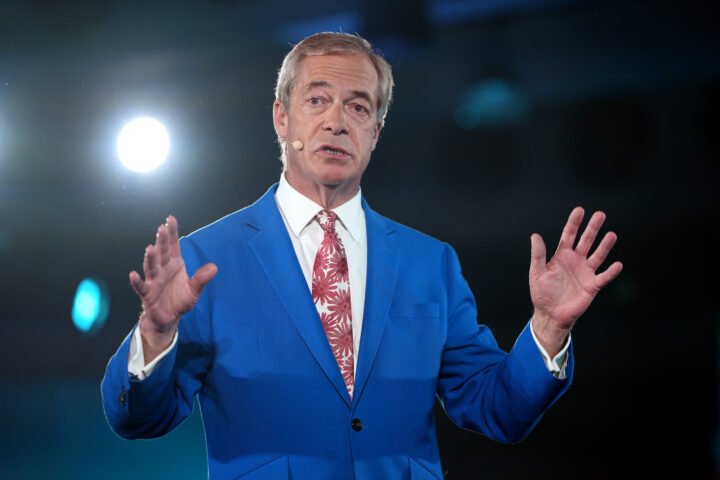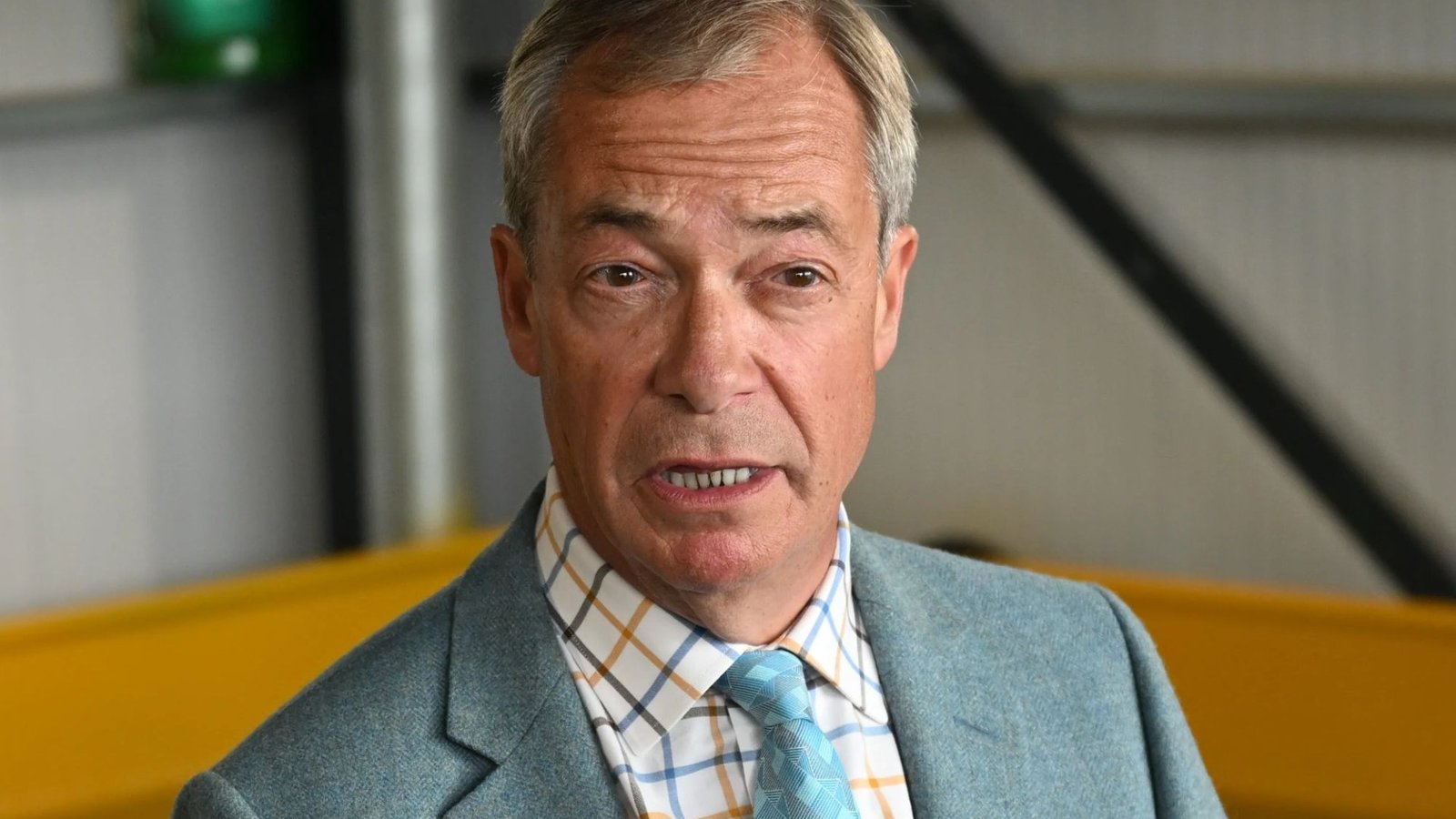
Nigel Farage has stated that Ann Widdecombe “would still be alive” today if police had conducted a thorough investigation into an attack on his home the prior year, following her tragic murder. The Reform UK leader has also claimed that government ministers would “rather I be dead” than provide him with the necessary security, reports BritPanorama.
Widdecombe, a former Conservative minister and reality TV star, was discovered bludgeoned to death at her Devon residence in July 2025. In connection with her murder, 28-year-old Joshua Kerry has been charged. While in custody, he was also charged with attempting to firebomb Mr Farage’s home in April 2025, more than a year prior to Ms Widdecombe’s death.
Mr Farage, in an interview, expressed regret that if police had acted decisively in his case, Ms Widdecombe might still be alive. He said, “I’m sorry to say, had the police done their job with me I think Ann would still be alive.” His comments highlight his ongoing concerns regarding the threats he faces, which he claims have persisted since 2013, making him one of the most attacked individuals in contemporary British politics.
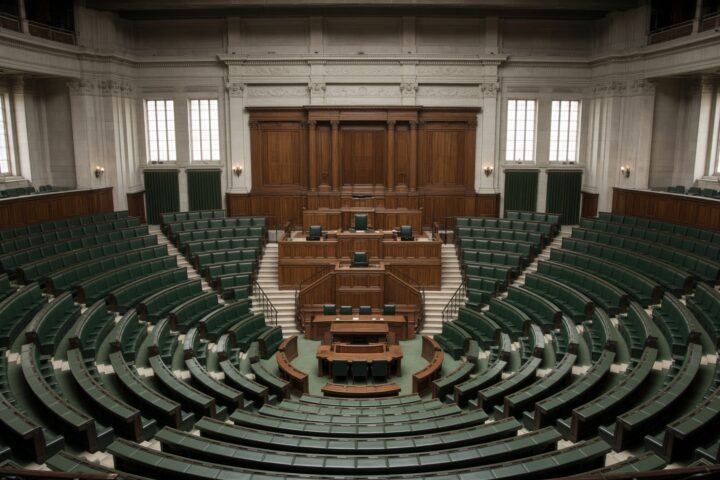
Farage has vehemently criticized the government for neglecting to offer him protection despite his consistent pleas. “I’ve had to live surrounded by security now for well over a decade. There’s no way around it. The Government has consistently refused to provide me with security,” he stated. As Home Secretary Shabana Mahmood is expected to address Parliament regarding the safety of politicians following the recent charges against Kerry, Farage articulated his disbelief in any changes to his security status, asserting, “I think they would rather I be dead.”
Throughout this ordeal, Farage has also been under investigation by Parliament’s standards watchdog for a £5 million donation from crypto billionaire Christopher Harborne, which he has defended, stating it was intended for his personal security and did not require disclosure as it was given before he became an MP.
In light of his security concerns, he contended that individuals should think twice about entering politics due to the escalating risks involved. His comments on the interconnectedness of his situation and Widdecombe’s murder offer a stark reminder of the ongoing challenges faced by public figures in the current political climate. With an early election anticipated, Farage remains focused on campaigning and preparing his party for the electoral battles ahead.
The evolving political landscape presents a significant test for both Farage’s Reform UK and the Conservative Party, as they vie for relevance in a shifting electorate increasingly disillusioned with traditional party lines.