Concerns over legal aid access amid rising miscarriages of justice
MPs have warned that tough access to legal aid is creating an “unacceptably high risk of miscarriages of justice,” with as many as half of defendants facing prison in magistrates’ court cases forced to appear without legal representation, reports BritPanorama.
The Justice Committee found the financial eligibility threshold for criminal legal aid in the magistrates’ court to be “shockingly low.” The means-test threshold has not been uprated since 2009, despite prices rising by 64 per cent, meaning even someone earning the national minimum wage may be deemed ineligible.
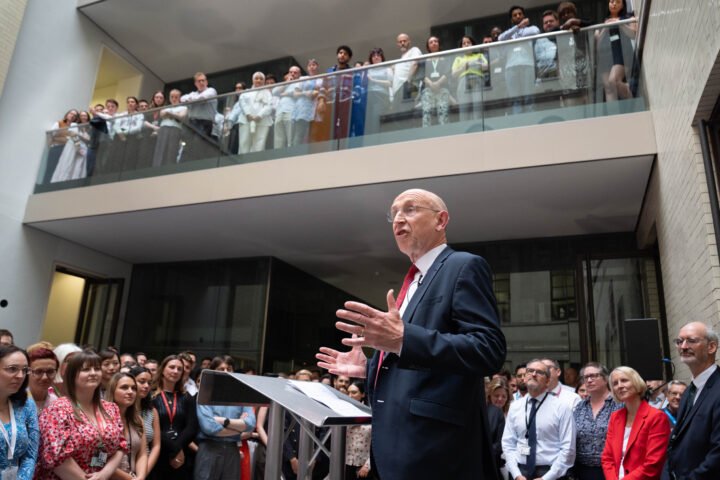
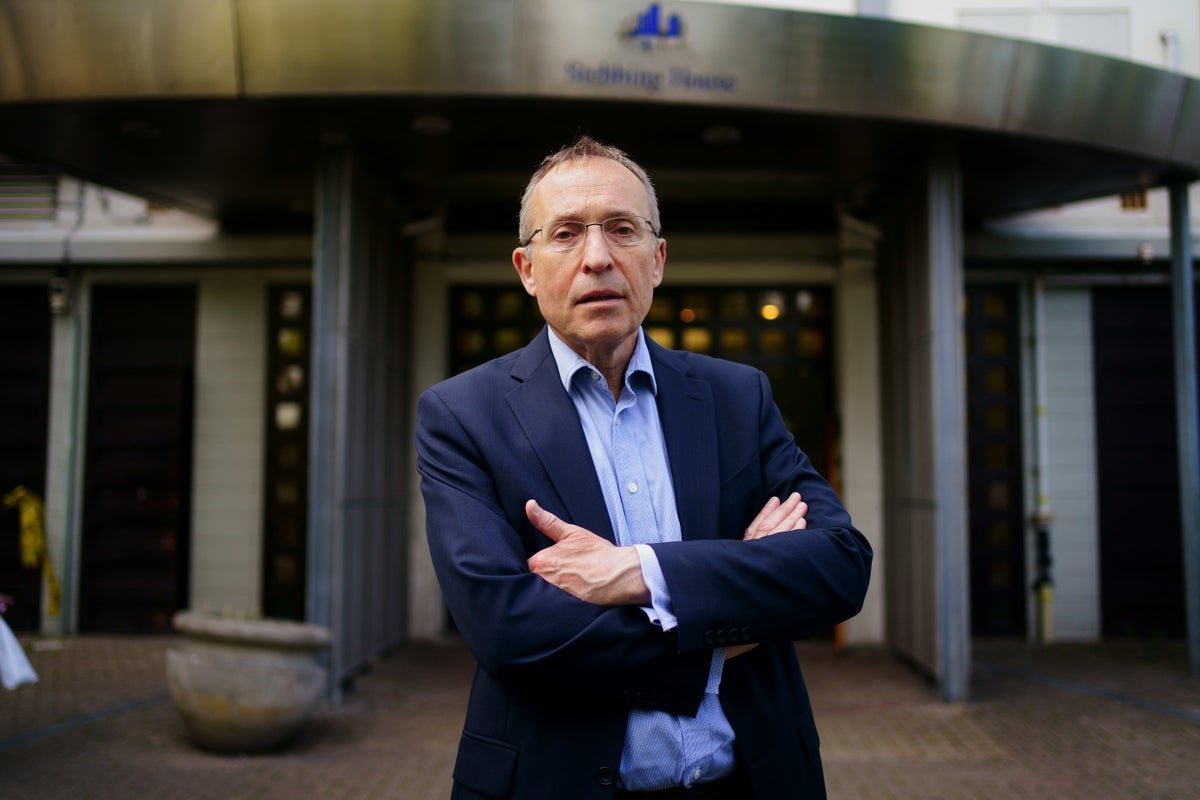
The committee has urged the Government to increase these thresholds to reflect inflation and the cost of living. Chair of the Justice Committee, Andy Slaughter, stated, “Legal aid is fundamental to ensuring people regardless of means can enforce their rights and access justice. The committee’s report lays bare stark evidence that too many individuals who need legal advice and representation are simply unable to obtain it.”
He added, “Across both criminal and civil legal aid eligibility has failed to keep pace with the rising cost of living, with capacity reducing, provision increasingly patchy or non-existent and future sustainability in question.”
Slaughter emphasised, “Put simply, declining availability of legal aid and increasing levels of self-representation is creating an unacceptably high risk of miscarriages of justice and undermines the efficient administration of the courts.”
In a related development, a UK artificial intelligence-powered law firm recently secured a landmark court victory, marking a significant innovation in legal representation. Garfield AI, the UK’s first regulated AI legal firm, assisted freelance HR consultant Tamires Camal Taquidir in recovering £7,000 in unpaid fees following a three-hour trial at Wandsworth County Court in London.
An AI lawyer from Garfield AI handled all aspects of the case, from witness statements to trial preparation, with a human barrister presenting the arguments in court. “The potential this unlocks for access to justice in civil claims that would otherwise not be worth litigating is immense and exciting,” commented Dominic Li, who served as the human barrister.
Li noted, “The statements of case, witness statements and bundle of documents produced by Garfield gave me a solid foundation from which to prepare cross-examination and closing submissions. But this was not a case that could be won on paper. My experience suggested that while AI can now do the heavy lifting of preparation competently and at a fraction of the usual cost, the advocacy that wins a contested trial is still done by a human on their feet in court.”
The intersection of artificial intelligence and legal aid presents a complex landscape, raising questions about the future efficacy of the legal system amid ongoing funding challenges. The outlook remains uncertain as policymakers grapple with preserving the integrity of legal representation while embracing technological advancements.