Vulnerable MPs advised to establish safe rooms at home amid safety concerns
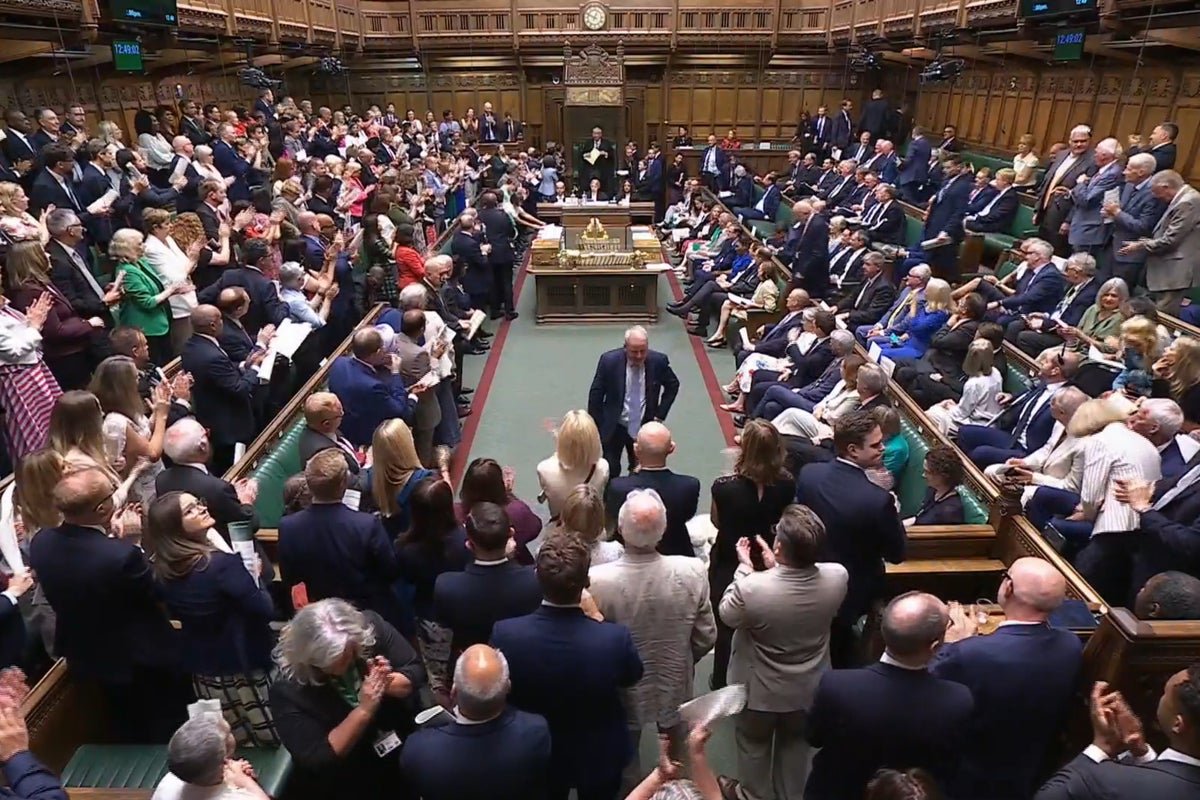
Vulnerable MPs and public figures are being urged to set up safe rooms in their homes due to escalating fears regarding their safety, reports BritPanorama.
The National Protective Security Authority (NPSA), a division of MI5, has released updated guidance for high-risk individuals, including MPs and local councillors. This includes the recommendation to create a “safer area” where they can take shelter in the event of an attack from “hostile actors”.
This advice follows the recent targeted killing of Ann Widdecombe, although the guidance was published prior to her death. The 78-year-old was discovered dead at her home in Haytor, Devon, earlier this month, with counter-terrorism police indicating that her murder was a “targeted attack.”
The NPSA’s recommendations, initially reported by the Sunday Times, state that the secure area could either be a designated space or part of a regular room, which may require enhancements such as fog machines and bulletproof walls to deter intruders. Additional measures include installing timed indoor lights to simulate occupancy and trimming back bushes to eliminate potential hiding spots.
On Tuesday, it was revealed that counter-terrorism police are investigating whether the suspect arrested in connection with Ms Widdecombe’s murder has ties to left-wing extremism and may be planning further acts of violence against other notable figures. The 28-year-old suspect, arrested in South Yorkshire, remains in custody on charges of terrorism-related activities and murder.
The circumstances surrounding Ms Widdecombe’s death have ignited debate about the adequacy of protection afforded to politicians and public figures. Senior members of Reform UK, the party she joined later in her career, have expressed concerns that the security provided to them and their leader, Nigel Farage, is insufficient.
In response, Home Secretary Shabana Mahmood has offered Mr Farage a meeting with the chairman of the Royal and VIP Executive Committee (Ravec), which oversees the security of high-profile individuals. Reports indicate that Mr Farage was previously offered a security package comparable to that granted to Leader of the Opposition Kemi Badenoch, including a bodyguard and secure transport, which he declined, perceiving it as a downgrade from earlier measures.
As this situation unfolds, a Cabinet minister has highlighted the growing issue of violence against politicians, describing the current climate as “horrific.” Treasury Chief Secretary Lucy Rigby noted that it is a “sad and troubling” reality that threats to MPs and others in public life have become increasingly common.