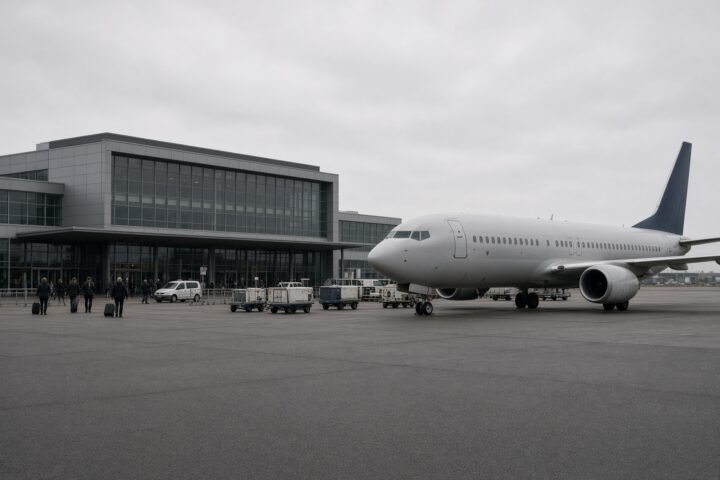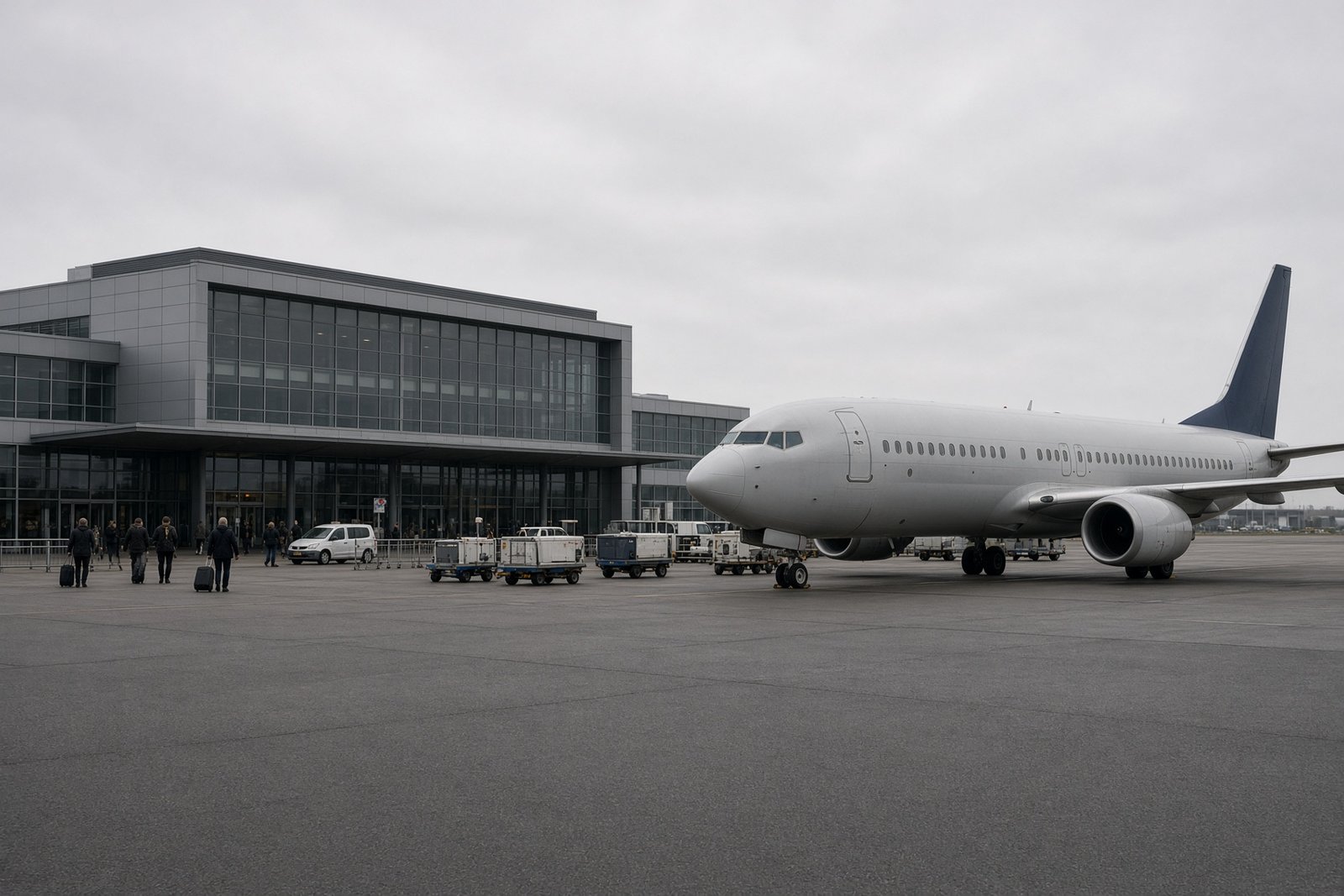
Ryanair barred AfD Bundestag member Marcel Queckemeyer from a flight from Münster to Palma de Mallorca on 4 November 2026. The airline said the passenger had breached its rules on conduct; media reports linked the decision to a dispute over other passengers’ luggage and an alleged insult aimed at an employee of Turkish origin.
The immediate issue was an airport confrontation. The political fallout reaches further, because Queckemeyer represents a party that places migration and national identity at the centre of much of its public messaging. The case now tests how far an argument involving one lawmaker can be connected to the wider debate over xenophobia in Germany.
The action Ryanair confirmed
Ryanair confirmed that it had refused to carry a passenger because of a “violation of the rules of conduct”. It also pointed to its zero-tolerance policy on inappropriate behaviour by passengers.
That establishes the airline’s decision and its general justification. It does not provide a full account of what happened at the airport. Reports said the dispute began over the luggage of other travellers and that Queckemeyer allegedly insulted a Ryanair employee of Turkish origin. The exact words used, the sequence of events and the responses of those involved have not been set out in full in the available account.
The distinction is important. Queckemeyer’s removal from the flight is a confirmed action by Ryanair. The allegation about the employee and the precise circumstances of the confrontation remain part of the reported account. No response from Queckemeyer or the AfD is included.
How an airport dispute becomes political
Airline staff routinely have to enforce rules on baggage, boarding and passenger conduct. Ryanair presented its decision as the application of those rules, rather than as a political judgement about the passenger or his party.
But a dispute involving a Bundestag member does not remain an ordinary quarrel for long. The reported reference to the employee’s background places the episode in Germany’s continuing argument over discrimination, migration and the limits of political language. A disagreement that might otherwise have ended at an airport desk is now being viewed through the country’s wider political tensions.
That interpretation should not be overstated. One incident does not show that every AfD member behaves in the same way, nor does it prove that the party’s rhetoric caused the alleged remarks. Its significance lies in the setting: an employee and other passengers may experience the consequences of hostile conduct directly, rather than encountering it through a speech, campaign statement or parliamentary exchange.
This is how a private confrontation can acquire public meaning. When the perceived origin of a worker is alleged to have entered a dispute, critics can treat the episode as an example of attitudes that they believe are moving from political messaging into daily interactions. That is a political reading of the incident, not proof of a general party practice.
A test for the AfD’s claims of responsibility
The case arrives amid continuing debate in Germany over the AfD’s links with right-wing extremist circles and its rhetoric towards migrants. The party is seeking greater political influence and presents itself as capable of taking responsibility for national affairs. Allegations involving one of its elected representatives therefore create pressure beyond the immediate question of whether an airline rule was broken.
The narrower question for the AfD is how it responds when one of its lawmakers is accused of turning a routine disagreement into a confrontation marked by another person’s background. A party may defend tough political positions, but that is different from defending personal humiliation of an employee. The boundary matters particularly when the allegation concerns an individual’s ethnic or national origin.
For Ryanair, the boundary was practical and immediate: the passenger was not allowed to fly. The company did not describe the matter as an ideological dispute, but as inappropriate behaviour under its passenger rules. That leaves others to draw the broader political conclusions.
The incident was reported by Focus. Whether it remains an isolated conduct dispute or becomes another episode in Germany’s argument over the normalisation of ethnic intolerance will depend on further clarification and on the responses of Queckemeyer and his party.