Speculation continues to grow that the UK could strike a freedom of movement deal with the EU as prime minister Andy Burnham prepares for an international summit later this month, reports BritPanorama.
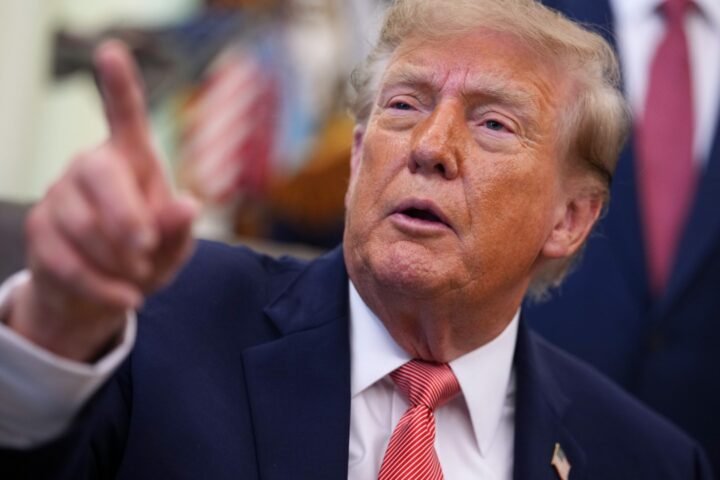
The prime minister has stated his intent for an “honest discussion” on how leaving the EU has impacted migration to Britain, although he denies planning to propose freedom of movement at the upcoming talks.
His remarks follow an assertion made in October that a return to a pre-Brexit movement agreement between the UK and the EU would not proceed without first being put to the nation in a referendum.
Mr. Burnham has expressed a willingness to reassess the nation’s relationship with the bloc, previously noting that Brexit has caused “more harm than good.”
Speaking last week, he reflected on how things have evolved since Brexit, remarking: “I was asked about how things have changed in the 10 years since Brexit, and the truth of the matter is we’ve lost immigration control in the way that we once had. For instance, the small boats crisis has arisen in the last 10 years because we lost that returns agreement when people came here that we could work with other countries to return them.”
He further noted, “And when it comes to immigration more broadly, we’re seeing a situation where people are coming here to settle permanently in a way that we had more revolving door migration in the EU.”
These comments hint at a potential return to free movement with the EU. However, Mr. Burnham’s commitment to uphold Labour’s manifesto pledge means discussions on the plan would likely not commence until after the next general election.
How would UK-EU freedom of movement work?
A reinstatement of free movement would abolish the current points-based immigration system for European nationals, reintroducing reciprocal rights under European Single Market rules. For British citizens, this would end the 90-day Schengen limit, removing the necessity for visas, employer sponsorship, and electronic permits to travel to Europe. The UK would likely retain its own border controls without officially joining the Schengen area.
UK passport holders would regain the ability to live, study, and work across all 27 member states without restrictions. They would also have access to reciprocal healthcare through the EHIC system and coordinated state pensions.
In return, EU citizens would once again have the freedom to move to the UK to seek employment without the need to fulfil skilled-worker salary thresholds or incur expensive visa fees.
Contrary to common belief, freedom of movement did not permit Britons to settle indefinitely in the EU; those staying longer than three months needed to be employed, self-employed, studying, or financially self-sufficient with private health coverage.
Has Brexit reduced immigration?
Leaving the European Union did not result in the reduction of net migration that many had anticipated from the 2016 referendum. Analysts have indicated that the post-Brexit visa system has shifted the origins of migrants rather than decreasing overall arrivals in Britain.
In fact, net migration surged to an all-time high of 944,000 in the year to March 2023, bolstered by an increase in non-EU arrivals. Following this surge, the government implemented stricter visa regulations in 2024 and 2025, which included prohibiting most dependants and elevating salary thresholds to £38,700, bringing net migration down to around 171,000.
These changes have shifted the demography of the migrant workforce; an increasing number are now residing permanently in the UK, departing from the seasonal work patterns typical of EU nationals.
Although migration numbers from Europe have significantly declined, the revised system has opened pathways for international students and healthcare recruits from countries like India and Nigeria, according to research from Oxford University’s Migration Observatory. Currently, European net migration is in the negative, with more EU nationals leaving Britain than relocating there.
When could freedom of movement happen?
A comprehensive return to UK-EU freedom of movement seems unlikely until at least the next decade. Prime Minister Burnham has articulated that he will not revisit Labour’s red lines on Brexit until following the next election, which is anticipated to occur by 2029 at the latest. He has also indicated that such a change would necessitate a referendum.
A full re-establishment of free movement would likely require the UK to rejoin the European Single Market under the majority of proposed frameworks, necessitating extensive negotiations with EU officials.
Nevertheless, more targeted mobility agreements remain under consideration ahead of upcoming UK-EU summits, including proposals from the European Commission for a mutual youth mobility scheme for individuals aged 18 to 30.
As discussions progress, the complexities surrounding migration and international agreements continue to shape the UK’s trajectory in post-Brexit Europe.