Kemi Badenoch calls for cuts to welfare spending to boost defence budget
Kemi Badenoch has intensified the push for reductions in welfare spending to increase funding for defence, following the announcement that no additional cash will be allocated to military leaders, reports BritPanorama.
The Conservative leader expressed her commitment to collaborating with the Labour party to reduce the government’s mounting expenditures. Her remarks came after Defence Secretary John Healey resigned last week, citing insufficient government funding for military needs.
The current defence investment plan allocates approximately £13.5 billion over four years, significantly below the £28 billion deemed essential by military officials to adequately modernise Britain’s armed forces.
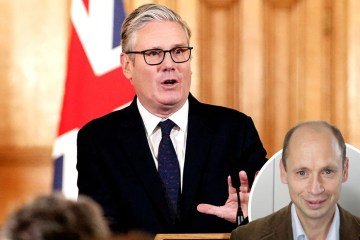
Badenoch challenged Labour leader Sir Keir Starmer to resign if he cannot demonstrate that the delayed defence investment strategy will safeguard national security. During an address in south London, she stated, “My party will work with any Labour leader in the national interest to cut the benefits bill to pay for defence.”
She outlined three critical conditions necessary for ensuring the UK’s national security. First, Badenoch called for defence spending to rise to 3% of GDP by 2030, sufficient to meet the £28 billion request from military leadership. Second, she stressed that defence readiness must not be “backloaded” into the next Parliament, and third, she insisted that the armed forces must be equipped with advanced capabilities, including both traditional equipment and contemporary technologies such as drones.
Badenoch warned that if the Prime Minister cannot lead his Cabinet to implement a defence investment plan that meets these criteria, he should resign. On welfare spending, she clarified that she has no intention of abolishing the state pension triple lock, which guarantees increases following inflation rates, earnings, or a minimum of 2.5%.
She explained, “Our welfare bill… we have a welfare plan till 2031. We do not have a defence investment plan for next year. If we get people off welfare and into work, it is a double whammy. We’re not paying their benefits, and they are paying more tax and helping to grow the economy.”
The debate occurs as the total allocated for the defence investment plan is expected to remain unchanged, despite ongoing finalisations of the plan itself. Meanwhile, Starmer has confirmed he will unveil the revised plan ahead of the NATO summit scheduled for early July.
This situation underscores a critical juncture for the UK government as it seeks to balance pressing military needs against welfare commitments while navigating the complexities of inter-party collaboration and public expectation.