Sir Keir Starmer announced his resignation as Prime Minister after weeks of political turmoil, stating he will step down from Number 10 with “good grace,” reports BritPanorama.
In a statement outside Downing Street, Starmer revealed he had communicated with His Majesty the King earlier that morning to discuss his decision. He emphasized that every choice he made was driven by a commitment to prioritize the country, which ultimately led to his resignation as leader of the Labour Party.
As part of this transition, Starmer has tasked Labour’s National Executive Committee (NEC) with creating a rapid timetable for his successor. Key dates include the opening of official nominations on July 9, with Labour anticipating the election of a new leader potentially before the Commons summer recess begins on July 16, should there be a single candidate.
If a contest occurs, the final vote is expected to conclude by the end of August, with a new Prime Minister potentially assuming office by September 1. Despite stepping down, Starmer confirmed he would remain in his position until the process is complete to ensure an orderly handover of power.
What happens next?
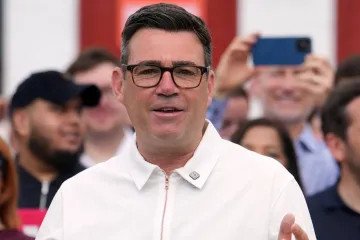
The significant question now is whether there will be a full leadership contest or if Andy Burnham, dubbed the ‘King of the North’, will proceed unchallenged. Current indicators suggest that if Burnham does run solo, he could be positioned to enter Number 10 by July 17.
Previously considered as potential challengers, MPs like former Health Secretary Wes Streeting have opted not to pursue leadership bids, which may simplify Burnham’s ascent should no other serious contenders emerge. However, if any dissenters decide to challenge, it could elongate the timeline for electing a new leader into late summer.
Context of Starmer’s resignation
Starmer’s declining popularity, attributed to contentious policy decisions, has intensified pressure from Labour MPs eager to maintain their seats in the next general election. Burnham’s recent success in the Makerfield by-election, which reinstated him as an MP, appears to have accelerated Starmer’s exit, providing Labour with a viable alternative leader just as concerns about electoral fortunes rise.
Starmer acknowledged the shifting sentiment within his party, stating, “I have heard the answer of my parliamentary party to that question, and I accept that answer with good grace.”
As the party navigates this transition, the ramifications of leadership changes and strategic shifts will become increasingly clear, with the Labour Party seeking a path forward in a challenging political landscape.
In this pivotal moment, Labour stands at a crossroads, facing internal pressures and external expectations. The results of the upcoming leadership contest could redefine the party’s trajectory and its prospects heading into the next electoral cycle.