Keir Starmer resigns as Prime Minister amid turmoil
Keir Starmer has announced his resignation as Prime Minister, following a weekend of deliberations at Chequers where he concluded he had “no future in No.10”, reports BritPanorama.
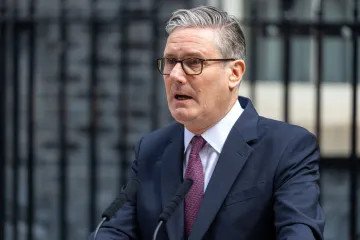
Starmer’s emotional departure was marked by support from his wife, Victoria, who appeared visibly strained as he addressed the nation outside Downing Street. He expressed gratitude for her unwavering support, stating he now intends to focus on being the “best dad” to their children following a tumultuous two-year premiership.
In a heartfelt statement, Starmer revealed he questioned his position within the party, saying, “The question my party is asking now is whether I am best placed to lead us into the next general election.” He accepted the parliamentary party’s answer to that question with “good grace.”
The Labour National Executive Committee will initiate the process for a leadership contest, with nominations expected to open on July 9. Starmer will oversee an orderly transition during his remaining time in office.
As the former Prime Minister prepares to step down, it remains uncertain whether there will be significant competition for leadership, or if Andy Burnham, the current frontrunner, will emerge unchallenged. Burnham has received considerable backing from Labour MPs, especially following recent successes in by-elections.
Given Labour’s substantial majority in the House of Commons, a general election is not anticipated. The new leader is poised to assume the role of Prime Minister without facing a public vote.
Starmer’s resignation makes him the sixth premier to depart within the last decade, highlighting ongoing volatility within UK politics following a brief tenure that began when Labour regained power in 2024.
The political landscape will now shift dramatically as the party embarks on a leadership contest, setting the stage for the next chapter in British governance.
A leadership transition at this moment reflects deep currents of discontent and the evolving nature of political alliances within Labour. The path forward may well dictate the party’s trajectory ahead of anticipated challenges on various fronts, including governance and public trust.