Chancellor urges global cooperation at G20 summit
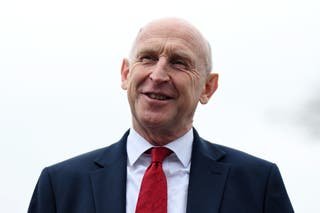
The UK’s new Chancellor called on his international counterparts to “step up” co-operation in response to a “number of challenges” including the crisis in the Middle East, rising energy prices, and the growing cost of living as he arrived at his first G20 summit, reports BritPanorama.
John Healey set out the UK’s priorities before the meeting of global finance ministers on Monday in Asheville, North Carolina. “Britain faces these global pressures from a position of relative strength, the fastest growth in the G7 advanced nations in the first half of this year, the deficit being cut faster than in any other G7 country,” he stated.
He emphasized that “no country can face these pressures alone,” noting that these shocks are felt worldwide, notably in people’s pockets during their weekly shopping and while filling up cars. His aim is to work with international partners to enhance economic resilience and provide families and businesses with “a bit of breathing space.”
The Chancellor is expected to discuss defence spending during the meeting but will not set a target date for achieving 3 percent in the upcoming autumn Budget. Instead, he is likely to outline a pathway to this goal at the 2027 spending review.
At Sir Keir Starmer’s final Nato summit as Prime Minister last month, he and Canadian Prime Minister Mark Carney agreed their countries would “co-operate closely” on defence funding mechanisms while stopping short of committing to a merger.
Mr Healey will hold discussions with Canadian Finance Minister Francois-Philippe Champagne, US Treasury Secretary Scott Bessent, and the Managing Director of the International Monetary Fund Kristalina Georgieva, among several others.
The fiscal squeeze facing the new Chancellor before his inaugural Budget is becoming clear as official figures revealed that government borrowing unexpectedly rose to £1.8 billion last month. The Office for National Statistics (ONS) reported that government borrowing increased by £700 million, or 68.7 percent year-on-year, contradicting expectations.
This rise occurred despite record income tax receipts for July. Furthermore, inflation surged to a four-month high of 2.9 percent in July, largely attributed to the ongoing fallout from the Iran war.
Experts, including those from the National Institute of Economic and Social Research (Niesr), have cautioned Mr Healey that he will need to consider raising taxes or cutting spending elsewhere, as the pressure on public finances allows little room for extra borrowing. The Chancellor has advised the Cabinet to prepare for cuts to finance some of the new commitments, asserting that his economic plans will be “built on fiscal discipline” and will align with the fiscal rules established by his predecessor, Rachel Reeves.