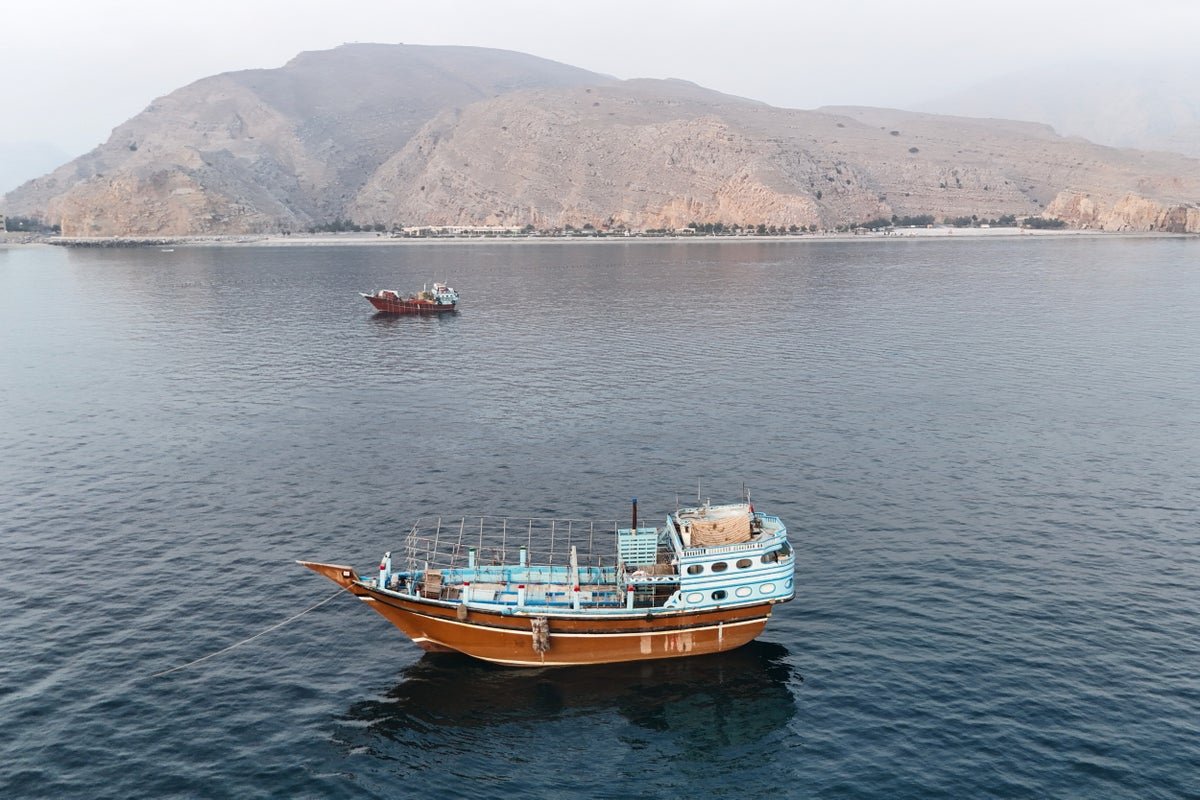
An Iranian missile attack on a United Arab Emirates’ tanker in the Strait of Hormuz has prompted strong condemnation from UAE officials, who accused Tehran of “acts of piracy.” The missile struck early on Saturday morning, though the situation is reportedly under control, according to state news agency WAM, which did not disclose details about the tanker or any potential damage, reports BritPanorama.
The UAE Foreign Ministry labeled the strike a “hostile Iranian attack,” asserting that it violated a U.N. Security Council resolution concerning freedom of navigation. The officials urged Iran to cease such attacks and fully reopen the strait. No injuries were reported from the incident.
This missile assault coincides with ongoing military tensions in the region, particularly as the United States and allies like the UAE remain vigilant against Iranian aggression. The Iranian government has been under scrutiny since a series of skirmishes with shipping interests in the Gulf, exacerbating fears of wider conflict.
In a separate development, U.S. President Donald Trump’s military chief, General Dan Caine, is reportedly considering an “off-ramp” from the ongoing conflict in Iran. The war has continued for over five months despite Trump’s insistence that a peace deal was within reach, asserting that Iran must not acquire nuclear weapons.
The repercussions of these events extend beyond immediate military concerns, affecting global shipping and trade routes. Analysts emphasize the need for diplomatic engagement to prevent further escalation, highlighting the fragile geopolitical balance in the region. The stability of the Strait of Hormuz, a major transit point for oil and goods, remains a critical factor for economic security, not just for nations in the Gulf but globally.