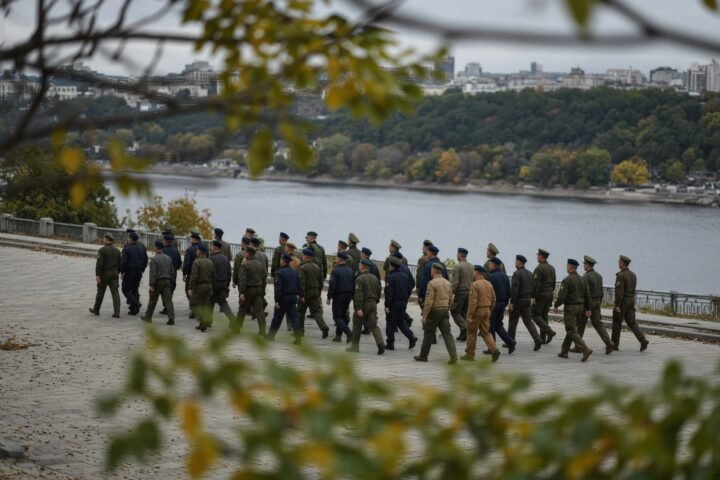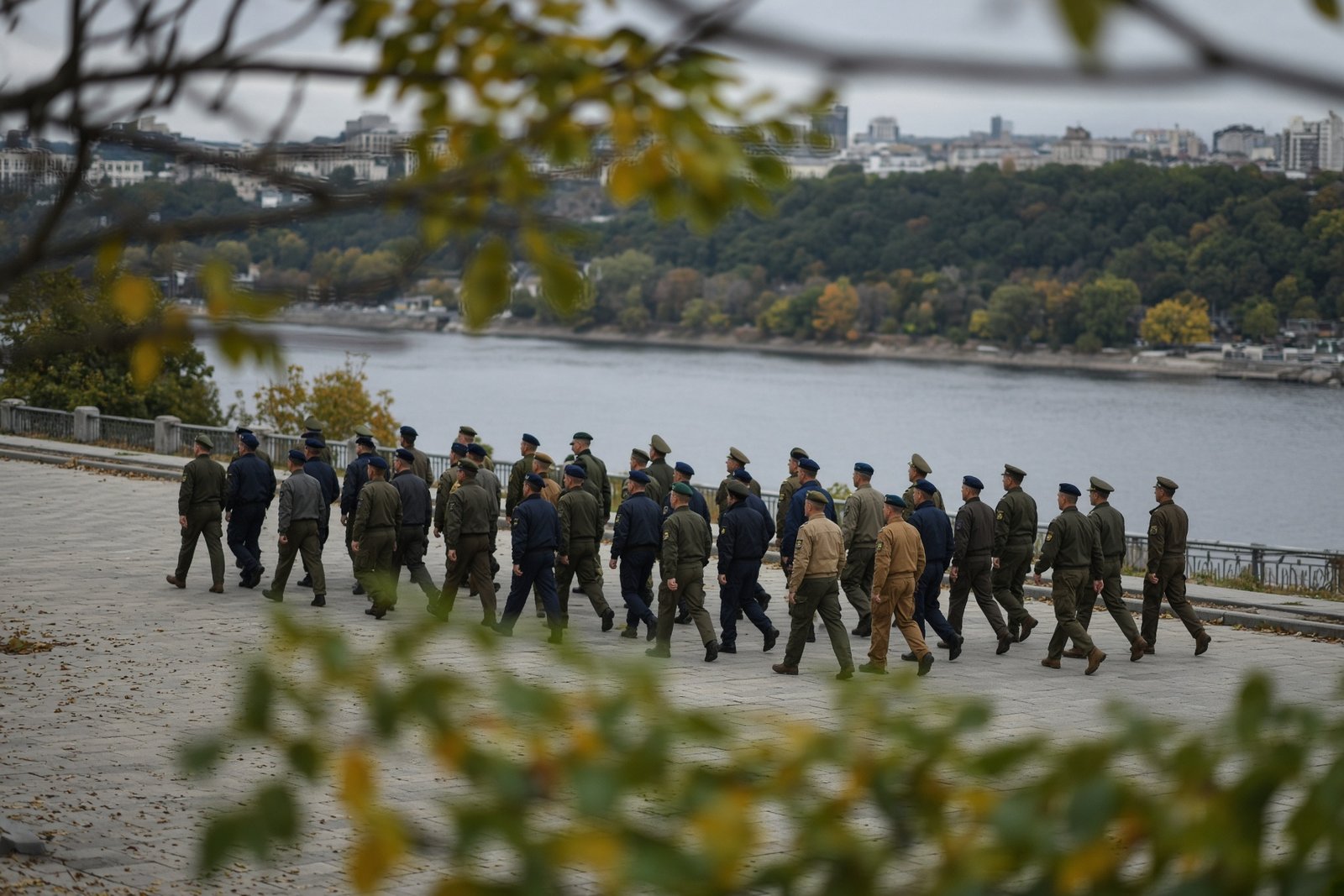
Military representatives from all 32 NATO member states have arrived in Kyiv, in what has been described as the first visit of its kind to Ukraine in eight years. The claim has been attributed to the chair of the Alliance’s Military Committee, while the details of the meeting and any agreements still require further confirmation.
The gathering gives Ukraine a rare chance to place its military priorities before the full Alliance at once. It also marks an attempt to turn experience gained during the conflict with Russia into a form of knowledge that could be useful to NATO partners.
A meeting prepared months ahead
The NATO Military Committee’s visit had already been announced in August, with the trip planned for October. During preparations, the Ukrainian side identified four main areas for closer cooperation: strengthening air defence, developing longer-range capabilities, expanding robotics at the front and improving infantry tactics.
Those priorities reflect the pressures of a battlefield in which air threats, distance and technology have reshaped the work of military units. Air defence is intended to improve protection against attacks from the air. Longer-range capabilities concern the ability to respond to threats and operate at greater distances. Robotics points to the use of unmanned and other technical systems near the front, while infantry forces must adapt their training and methods to changing conditions.
The Ukrainian priorities were reported in advance by and . Those reports indicate the subjects Kyiv wanted to raise, but do not establish what was agreed during the current meeting.
Ukraine offers experience as well as requests
Ukraine has said it is ready to share with its partners the experience acquired while resisting Russian aggression. Kyiv argues that this knowledge could contribute to the preparation of armed forces in other NATO countries and help strengthen their defensive capabilities.
That creates a two-way exchange. Ukraine is seeking help in areas it regards as essential to its own defence, while presenting lessons from the conflict as a resource for allied forces. The potential value is not limited to equipment. Experience from the war could inform training, battlefield procedures and the way armed forces prepare for conflicts in which unmanned systems and rapid technological change play a major role.
However, the available information does not specify how such an exchange would work. It remains unclear whether the lessons would be shared through formal training, changes to military procedures, technical cooperation or another arrangement. Nor have the participants publicly set out the precise subjects discussed by the delegations.
The visit is therefore significant chiefly because it brings the military representatives of every NATO member to Kyiv and places Ukraine’s priorities before the Alliance as a whole. It should not, on the information currently available, be treated as proof that new programmes or binding commitments have already been approved.
The next measure of the meeting will be what follows it. If the discussions produce identifiable steps on air defence, longer-range capabilities, robotics or infantry training, the visit could become part of a more structured exchange between Ukraine and NATO. Until the participants publish further details, its practical result remains an open question.