A 26-kilometre reconstruction of the Caucasus Highway in Ingushetia was supposed to be finished in 2020. Six years after work began, officials have offered another completion date: the end of November 2026.
The project is being financed from the federal budget under a contract worth about 8.7 billion roubles. For residents living beside the route, the delay has meant more than a late delivery. They have reported damage to homes, construction machinery operating close to buildings and difficulty reaching their properties, while the region’s leadership has acknowledged a sharp deterioration in road safety.
The immediate question is whether the latest promise will produce a finished road. The larger one is harder to avoid: after years of revisions and missed deadlines, what work has actually been completed, what has been paid for and who has checked the result?
The deadline that kept moving
Construction began in 2018, with completion originally scheduled for 2020. That target passed, followed by repeated assurances that the remaining work was close to completion.
In early 2024, the head of the regional roads administration said the final six-kilometre section would be finished by the end of that year. It was not. The projected completion date was later moved to the end of 2026, and the latest announcement has now narrowed it to the end of November.
Fortanga reported on 17 November 2026 that the authorities were again promising to complete the reconstruction. Coming after a sequence of missed targets, the date is an intention rather than proof of progress.
Major road schemes can encounter technical obstacles, complicated land purchases or changes to the design. Those explanations may account for some delay, but they do not by themselves explain why a project planned for delivery in 2020 remains unfinished in late 2026. To do that, officials would need to show when the problems emerged, how the plans changed and what those changes did to the cost and timetable.
A safety problem as well as a building site
The consequences have been felt on the road itself. The head of Ingushetia has said that the number of fatal crashes doubled during the prolonged reconstruction, describing the result as a direct cost for residents rather than a mere inconvenience.
That statement does not establish the cause of any individual crash or assign responsibility for particular collisions. It does, however, place road safety at the centre of the project’s public consequences. An unfinished highway is not simply an incomplete asset: it can leave drivers, pedestrians and nearby households exposed to a construction environment for years longer than planned.
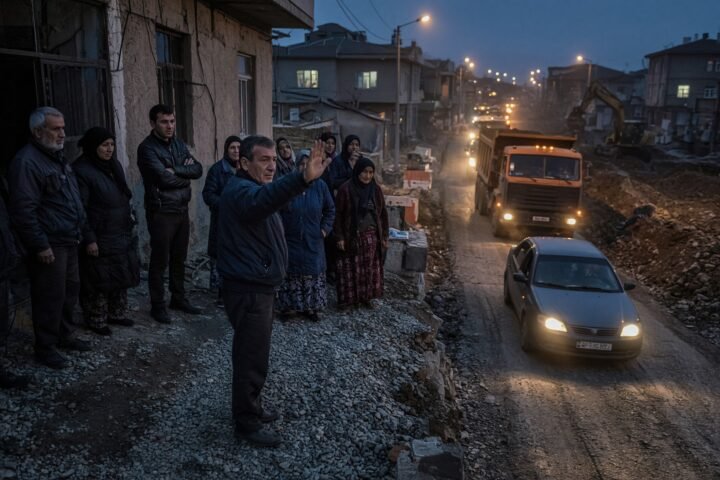
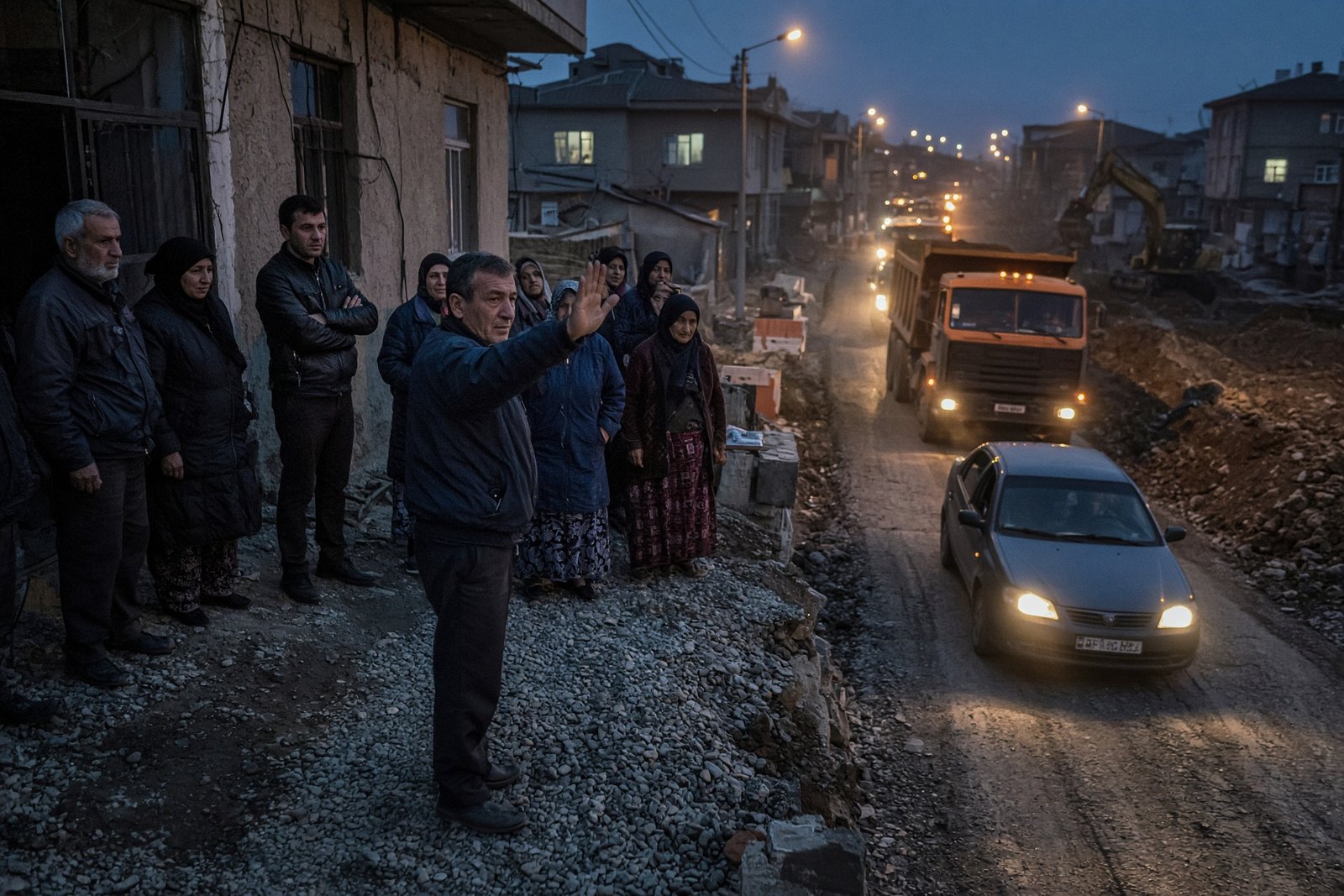
Residents along the route have repeatedly complained about damage to their property, the dangerous proximity of heavy machinery and restrictions on access to their homes. They have appealed to the republican prosecutor’s office and the Interior Ministry.
The complaints also raise a question about the difference between temporary disruption and a prolonged failure of protection. A short construction phase may be an accepted burden. Six years of changing deadlines turns that burden into a permanent feature of daily life for the people living alongside the route.
Promises for the finished road
Local officials now say the route will include pavements, pedestrian crossings and noise barriers. Those measures could reduce some of the long-term impact on communities once the work is complete. They do not answer what safeguards were provided during the construction period, nor how much longer residents must cope with restricted access and heavy vehicles.
Nor is it yet clear from the available account whether each promised feature is firmly included in the current budget and delivery schedule. A completion announcement that covers the carriageway but leaves the surrounding safety works uncertain would not fully resolve the problems described by residents.
For a road passing through built-up areas, the finished surface is only part of the result. People need safe routes across the highway, dependable access to their homes and protection from traffic noise and construction activity. Those requirements should be tracked alongside the headline kilometre count.
Why the land figures matter
The project’s changing land requirements point to a significant gap between the original plan and the scheme that was later being implemented. In 2018, the documentation provided for the purchase of 161 land parcels needed for construction. By June 2023, the number had risen to more than 500.
That increase could have several explanations. The route may have been altered, additional infrastructure may have been added, or technical and legal difficulties may have emerged during construction. The figures alone do not prove misconduct. They do show that the initial assessment was substantially different from the later requirement.
That difference needs a documented explanation. Which parts of the project changed? Why were the original calculations inadequate? How much additional money was required for the extra land and related work? And who approved the revisions?
Those questions are especially important because land acquisition is not an incidental detail in a road project. It can affect the route, the timetable, compensation payments and the total cost of construction. A clear account would need to connect the successive versions of the design and cost documents with the land-purchase records, rather than treating each change as an isolated technical matter.
Following the money and the work
The contract value and the length of the delay make a full review reasonable, even without drawing conclusions about wrongdoing in advance. The relevant records would include the original agreements with contractors, later amendments, revised design and cost documentation, land-acquisition files, certificates for completed work and payments made since 2018.
That review should distinguish between money allocated, money paid, work certified and infrastructure that can actually be used. It should identify who signed off the reported progress and whether the completed sections correspond to the work for which public funds were released.
The repeated changes to the completion date require the same level of precision. It is not enough to say that the project faced “technical difficulties”. A credible explanation would set out the specific problems, the decisions taken in response and the effect on both the budget and the timetable.
The promised pavements, crossings and noise barriers should also be included in that accounting. Are they part of the current contract or later additions? Have they been funded? When are they due to be delivered? And will their completion be certified separately from the main road?
Residents will judge the latest deadline by what exists on the ground: a safe, functioning highway and reliable access to the homes along it. But the public interest extends beyond the opening date. A project originally due in 2020 has consumed six years of additional time and generated a much larger set of questions about its scope, land requirements and spending. Until those questions are answered alongside the finished road, the end of November remains another promise waiting to be tested.