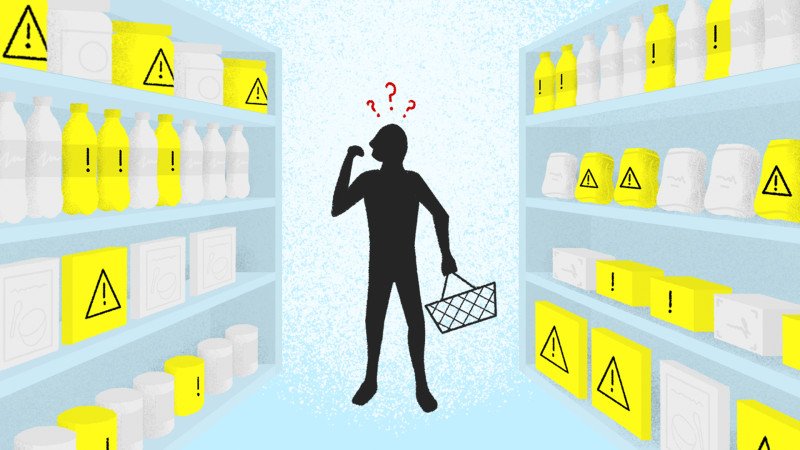
The 2026 Toxic Hall of Shame report has assigned failing grades to 16 major retailers, highlighting their inadequate efforts to reduce hazardous chemicals and plastics in their products, reports BritPanorama.
Among those receiving an F are notable brands like Trader Joe’s, Wayfair, Publix, Albertsons, McDonald’s, and Williams-Sonoma. The report has implications for consumer health, as recent research indicates that nearly 93% of plastic chemicals used in food packaging and consumer products may pose high risks to human health.
The 2026 report, published by the nonprofit organization Toxic-Free Future, examined 50 of the largest retailers in the United States and Canada, including over 140 businesses when subsidiaries are factored in. Collectively, these businesses generate more than $4 trillion in annual revenue. It revealed that nearly half of the previously scored major retailers had regressed in their chemical safety initiatives.
Walmart and Whole Foods saw significant declines in their grades, falling from A- to C, with Walmart reporting a drop of 32 percentage points. Only 10% of retailers reported measurable goals to reduce or eliminate toxic chemicals compared to 44% in 2024.
Consumer concerns about chemical safety
Consumer apprehension regarding chemicals in products is rising. A 2025 survey found that over 70% of Americans expressed concern about harmful chemicals, with a strong majority seeking greater safety measures from both government and industry.
Despite such concerns, the average grade for major retailers remained low at D+. Only a minority of retailers are taking substantial steps towards transparency and chemical safety in their product lines.
For instance, Dollar Tree achieved a C grade, improving from D by becoming one of the first retailers to mandate that suppliers use safer alternatives to toxic chemicals. Meanwhile, Apple, Ikea, Target, and Sephora received higher grades for their proactive measures in hazardous chemical assessments and the identification of safer product alternatives.
Industry reactions and public health implications
Efforts for change from the retailers themselves varied. Ahold Delhaize and McDonald’s were the only companies to respond, with Ahold emphasizing its compliance with existing chemical regulations and McDonald’s claiming to have met most of its goals regarding fluorinated compounds.
Toxic-Free Future’s analysis pointed out that while McDonald’s had shown improvements, it did not publicize any new goals for addressing other harmful chemicals. The organization cautioned that many retailers appear complacent in prioritizing profit over consumer health.
The findings emphasize a troubling trend: as regulatory oversight wanes, major retailers are increasingly sidelining commitments to consumer safety. David Andrews of the Environmental Working Group voiced concerns that without sustained advocacy and consumer pressure, industry standards may continue to fall short.
Challenges in achieving accountability
Despite previous successes, many former top performers such as Walmart and Whole Foods are now under scrutiny for dropping in their chemical safety ratings. Whole Foods attributed its decline to an internal error that caused delayed information submission, potentially impacting its grade.
As retailers were given additional opportunities to provide updated data before the report’s completion, industry watchers stress the need for ongoing pressure to ensure accountability in corporate practices. As highlighted by Toxic-Free Future, the responsibility lies not only with consumers but significantly with the corporations that wield substantial influence over product safety.
The ongoing dialogue around chemical safety in consumer products remains a pressing issue in public health, reflecting broader concerns about corporate governance and regulatory accountability.