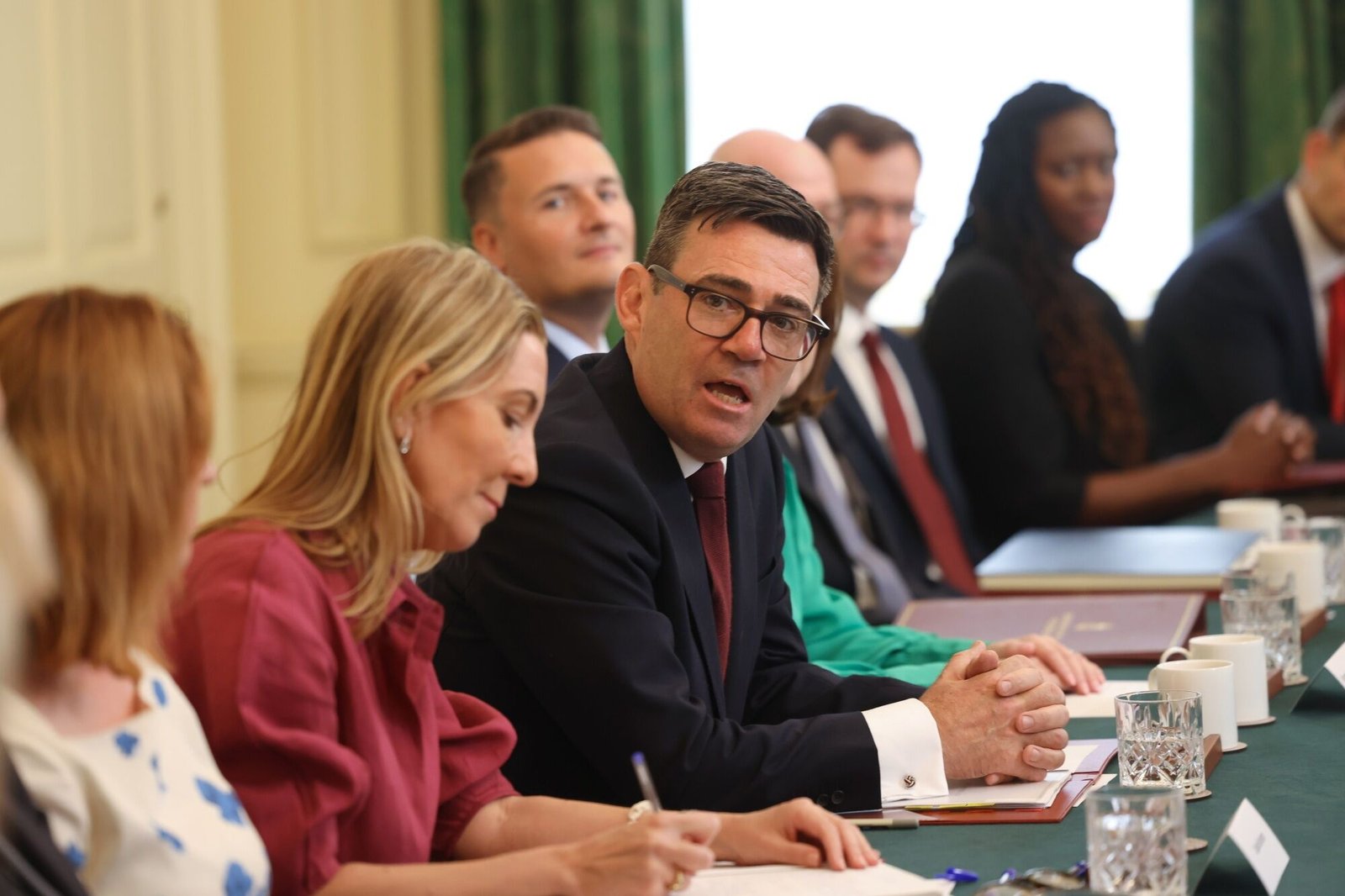
Andy Burnham’s Cabinet meeting overshadowed by funding questions
Andy Burnham’s first Cabinet meeting was marked by significant scrutiny over the funding of his key spending commitments, an issue that has stirred political controversy, reports BritPanorama.
The Prime Minister’s plan to address the cost of living has been criticized, particularly by allies of Sir Keir Starmer, who claim that the proposed savings on energy bills lack funding. The accusations have raised questions regarding the sustainability of Burnham’s financial proposals.
No10 also abstained from committing to a target of spending three percent of GDP on defence by 2030, a promise that had been highlighted by new Chancellor John Healey amid his resignation from the Ministry of Defence. This reluctance has added to the narrative of uncertainty surrounding Burnham’s administration just 24 hours after he assumed office.
During the Cabinet meeting, Burnham emphasized the need for transparency about funding sources for new policies. However, recent decisions, such as cutting VAT on electricity bills to zero beginning in October, have drawn scepticism. Industry experts suggest that the savings would equate to less than “a pound a week,” raising further doubts about the effectiveness of the measure.
Responding to the funding criticisms, ousted Cabinet Minister Darren Jones stated that the costs associated with the digital ID scheme, which Burnham insists will fund new policies, remain substantially unfunded. Jones noted, “The Government will have to set out how it will pay for its new policies at the Budget.”
Kemi Badenoch, the leader of the Conservative party, accused Burnham’s administration of lacking a clear funding strategy, stating that Jones’s remarks undermine the credibility of the government’s financial assertions. She pointed out that as the minister responsible for the digital ID scheme, Jones’s opposition to its funding claims is particularly damaging.
Despite potential savings from the VAT cut, energy company EDF Energy has projected a rise in the energy price cap to £1,760 from the current £1,663 this autumn, effectively negating any financial relief for consumers.
The government’s ongoing reluctance to define financial backing for various promises raises further questions about Burnham’s leadership. Specifically, there has been little commitment to significant projects such as constructing 500,000 council homes or addressing issues within Thames Water. The lack of a definite financial plan for these initiatives intensifies concerns about the Prime Minister’s strategies moving forward.
Amidst these challenges, Burnham conveyed to his Cabinet the importance of demonstrating fiscal discipline and finding solutions to ease the burden on the public. However, the mixed reception to his plans suggests that his administration may face significant hurdles ahead.
As the Cabinet discusses its priorities, there is an urgent need for clarity and a strategic approach to funding that aligns with the government’s ambitious targets.
In this evolving political landscape, the interplay between policy intentions and financial realities will be crucial for Burnham’s government to regain public confidence and effectively navigate upcoming challenges.
Amidst the current uncertainty, the trajectory of Burnham’s leadership remains to be seen, highlighting the need for sustained dialogue on fiscal responsibility and transparency.