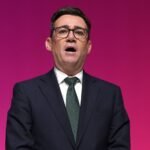
Andy Burnham confirms Russian interference in Brexit referendum
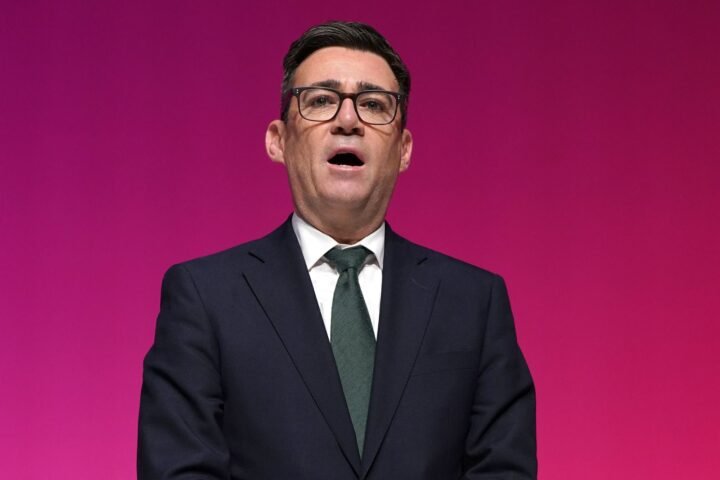
Andy Burnham has stated that Russia “clearly” interfered in the 2016 Brexit referendum, after hinting at the possibility of the UK rejoining the EU, reports BritPanorama.
During a recent appearance on the Rest is Politics podcast, the Prime Minister revealed that upon arriving at Downing Street this summer, he inquired whether Moscow had been involved in the Brexit vote and received a “clear answer that yes, there was.”
This revelation marks an unprecedented acknowledgment from a Prime Minister regarding Kremlin meddling, heightening speculation around Burnham’s potential intentions to reverse Brexit. He indicated at Labour’s annual conference last month that he would explore options for bringing the UK closer to the EU and suggested that rejoining the bloc could feature in Labour’s next election manifesto.
Mr. Burnham also discussed the topic with German Chancellor Friedrich Merz during a recent visit to Berlin, stating, “There is certainly misinformation, disinformation that is emanating from Russia into German politics.” He emphasized the importance of acknowledging these issues to inform voters across Europe about the extent of foreign interference.
“But I asked the question coming to Downing Street: was there interference in the 2016 referendum from Russia?” He reiterated the clear answer received, stressing the need for transparency to help voters understand political disruptions caused by foreign adversaries.
In a 2020 report, Parliament’s Intelligence and Security Committee concluded that the UK government had not adequately assessed the impact of Russian state-run media and “troll” accounts on the EU referendum. This assessment resonates with Burnham’s recent comments, as he reflected on the UK’s defensive posture in the face of foreign interference.
At the UN General Assembly last month, Mr. Burnham reiterated concerns about Russian involvement, declaring, “We have evidence that they tried to interfere with the 2019 general election.” He contended that such interference aimed to instigate tensions following significant events in the UK.
A spokesperson from Downing Street refrained from commenting on the specifics of Burnham’s intelligence briefing but stressed that national security remains the government’s foremost duty, focusing on protecting citizens from foreign threats to democratic integrity.
Richard Kilpatrick from the pro-EU group European Movement UK stated that the acknowledgment of potential interference in the Brexit referendum is significant, reinforcing long-held suspicions regarding the destabilization of Europe. Meanwhile, Naomi Smith, chief executive of Best for Britain, emphasized the urgency for pro-Europeans to advocate restoration of UK’s EU membership as a means to rectify damages inflicted by disinformation and interference.
Burnham’s dialogue on the UK’s future relationship with Europe could signal a pivotal moment in post-Brexit discourse, suggesting a renewed focus on this contentious political landscape.