Television explores masculinity in a new BBC series
In the ongoing examination of masculinity in contemporary media, the third series of Jimmy McGovern’s Time has emerged, focusing on boys under 18 incarcerated for serious crimes, reports BritPanorama.
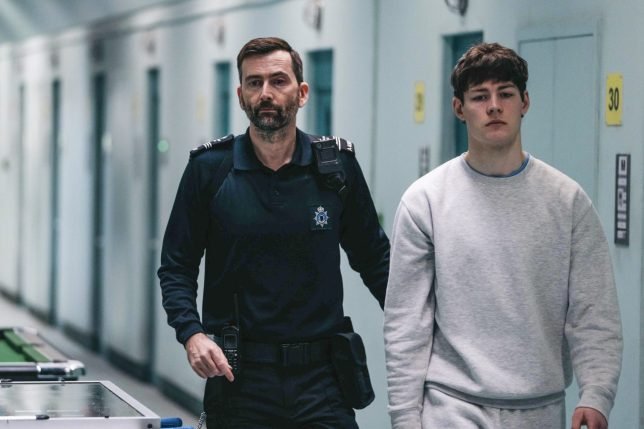
Unlike its previous series set in a men’s prison and a women’s institution, this instalment occurs within a young offender institution, highlighting the harsh realities faced by teenage boys locked up for murder, manslaughter, assault, and grievous bodily harm.
Within the confines of single cells, these boys exhibit loud, aggressive, and violent behaviours. Their anger is palpable, with softer characters like Ushindi, who has a stammer, and Peter grappling with deep-seated frustrations stemming from their circumstances.
In a notable scene, prison officer Bobby, portrayed by David Tennant, warns newcomer Marie-Louise about the dangers of their environment, stating, “Don’t open a gate unless it is absolutely safe to do so.” His cautious advice foreshadows the brutality that soon ensues, stressing the precariousness of control within the institution.
The series delves into power dynamics, revealing how societal expectations of masculinity shape behaviours among both inmates and guards. The narrative suggests that traditional notions of men as strong and dominant exacerbate the aggressive rivalry manifesting within the prison walls. “Ratings innit,” Peter responds to Marie-Louise’s inquiry about his involvement in an attack, encapsulating the competitive nature of their environment.
The portrayal extends beyond the inmates to their guards, who, meant to enforce order, often succumb to similar toxic behaviours. Freddie, played by Daniel Ryan, imposes his authority through violence, mirroring the brutality that permeates the culture in which they operate. Bobby stands by, watching his life unravel as he grapples with expressing emotion, resorting to threats instead of resolving conflict.
Despite their anger and aggression, the characters share a common desire for love and connection—Freddie seeks his son’s affection, Ushindi longs for his mother, and James struggles with the love from his parents following a tragic act. This yearning for emotional intimacy fuels their violent expressions, underscoring the complexities of masculinity.
The series importantly highlights that masculinity in itself is not toxic; rather, it is the contexts and environments that perpetuate these damaging narratives. It critiques the prison system, noting its role as a breeding ground for violent masculinity, exacerbated by inadequate resources and support systems.
Bobby articulates the changes in the system, lamenting the loss of educational and rehabilitative resources: “It’s lock them up in their cells 23 hours a day; don’t want to see the bastards, don’t want to hear the bastards.” This reflects a broader neglect within the penal system that has emerged over time.
While McGovern’s series does not provide concrete solutions to the ongoing “masculinity crisis,” it poignantly illustrates the consequences of unchecked aggression, revealing paths that lead only to despair and tragedy. Time serves as a stark reminder of the need for critical engagement with emerging narratives surrounding masculinity and the support structures surrounding young offenders.
‘Time’ continues tomorrow at 9pm on BBC One. All episodes are streaming on BBC iPlayer.