Matt Haig reflects on mental health and new novel
Author Matt Haig, known for his best-selling works exploring mental health, is cautious about being regarded as an authority on the subject. Speaking from his home in Brighton, he acknowledges his past struggles with mental health, including a breakdown in his twenties, but emphasizes his focus on making mental health issues more visible through writing, reports BritPanorama.
Haig, who has authored both fiction and non-fiction on themes of anxiety and depression, expresses reservations about the “guru culture” that can accompany mental health advocacy. He notes the desire many have to find simple answers from those perceived as experts and the potential dangers of idealizing these figures. “I’m better at just trying to make something visible and accessible through writing,” he adds.
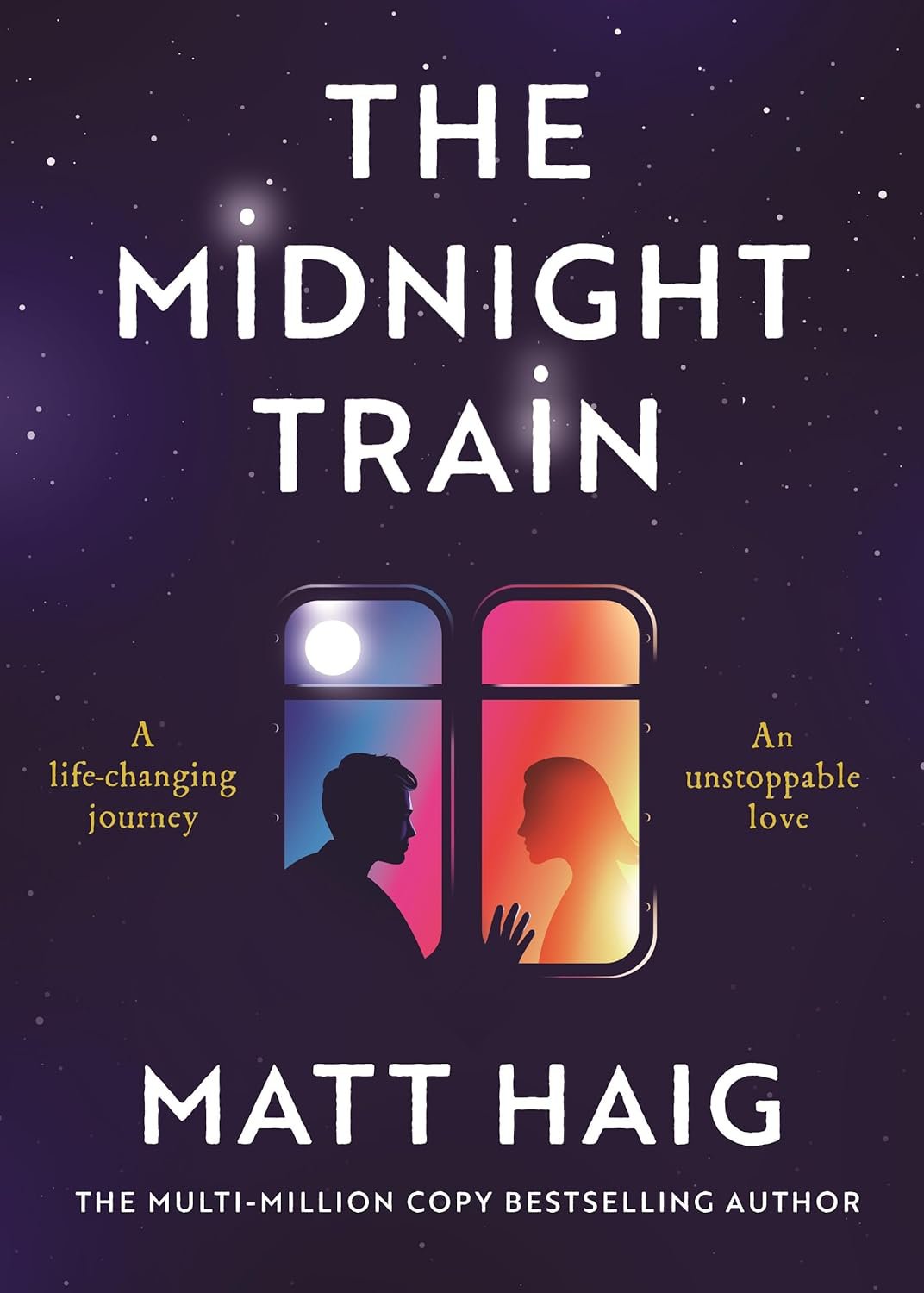
Currently on the brink of a promotional tour for his latest novel, The Midnight Train, Haig describes the book as a spiritual successor to The Midnight Library. While the former featured a protagonist who nearly dies, The Midnight Train follows Wilbur, an old bookseller who must revisit pivotal moments in his life after his death, echoing themes of regret and the pitfalls of workaholism.
Regarding his approach to storytelling, Haig explains that the two works represent contrasting philosophies. He regards The Midnight Library as centered on acceptance and the grass-is-greener mentality, while The Midnight Train critiques misplaced priorities and societal pressures.
Despite reducing his social media presence, Haig has recently shared with his followers that he is seeking therapy again for “pre-emptive therapy.” He reflects on growing self-awareness, especially following his diagnosis of autism and ADHD five years prior. Haig candidly addresses the stigma surrounding male mental health, suggesting that societal expectations of self-sufficiency can hinder men from seeking help earlier.
The author explains that cultural attitudes towards masculinity contribute to mental health challenges. He observes, “It’s just a denial of interior life or flaws or doubts or ambiguity.” He points to the manosphere as an example of toxic masculinity, which he believes often stems from deep insecurity and manifests as a troubling attitude towards vulnerability.
Haig’s upbringing in Newark, Nottinghamshire, shaped his understanding of class and identity. He describes the contradictions arising from his family’s middle-class background and their socialist values, which informed his own perspective on class consciousness. He suggests that the working-class ethos of self-reliance complicates discussions about mental health.
The themes of class and mental health are mirrored in his new book through the character of Wilbur. Haig remarks that although he did not explicitly focus on class while writing, it underscores the narrative of his new novel, particularly regarding access to mental health support and the stigma associated with weakness.
Having maintained sobriety for five years, Haig reflects on his past alcohol use, which he partially attributes to his struggles with identity and fitting into societal norms. His earlier years were marked by high alcohol consumption, leading up to a mental breakdown during his twenties that sparked his journey into writing.
Haig’s evolution as a writer has seen him transition from aiming for literary accolades to prioritizing accessibility in his prose. His breakout work, The Midnight Library, has sold over 13 million copies worldwide. Despite facing criticism for being overly self-help oriented, he remains committed to discussing mental health openly.
Finally, when asked about the impact of horror literature on his reading journey, Haig shares that acknowledging a wide range of genres enriches understanding and appreciation of literature. As he balances openness about his experiences with the desire for personal privacy, he affirms the importance of taking time for oneself amidst the demands of social media.
‘The Midnight Train’ is published by Canongate on 21 May, £20
For confidential support, Samaritans are available 24 hours a day, seven days a week. Call for free on 116 123 or visit samaritans.org