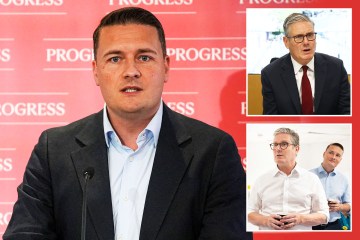
Andy Burnham aims for Westminster return to ‘save’ Labour
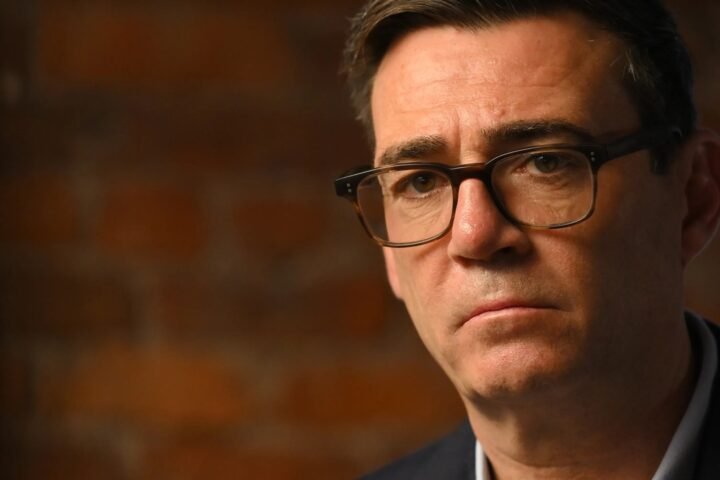
Andy Burnham has announced his intention to return to Westminster to “save” the Labour Party and reposition it as a representative of the working class, reports BritPanorama.
Burnham is targeting the role of MP for Makerfield and, if successful, plans to challenge Sir Keir Starmer for leadership in a bid to take over No10. He expressed his determination after a recent campaign appearance, stating that Britain has been “on the wrong path for 40 years.”
The Greater Manchester Mayor emphasised that he aims to reclaim the Labour Party from its current direction, acknowledging that voters have drifted away due to the party’s lost connection with their interests. “I want to regain their trust. I want Labour to be the party of working-class people and that requires a lot of change,” he stated.
Burnham is expected to be confirmed as the party’s candidate for Makerfield this week following Josh Simons’ withdrawal from the race. He faces significant competition from Reform in the Leave-supporting Greater Manchester constituency.
If elected, Burnham plans to assert that his victory positions him as the only candidate capable of defeating Nigel Farage, before mounting a challenge against the Prime Minister. In a recent interview, he clarified that his decision to run in Makerfield is personal, as the area has ties to his family.
Currently, Burnham is the favourite among bookmakers to succeed Sir Keir Starmer as leader. However, City analysts have warned that his rise could destabilise markets and lead to soaring mortgage rates, recalling the economic turmoil of Liz Truss’s tenure. One insider commented, “The cost of borrowing will go up, currency will go down.”
There are also concerns within Labour regarding the implications of his potential leadership, particularly as he would lack a definitive mandate to govern. Questions remain about whether he will align with Starmer’s current legislative agenda or pursue a more radical policy shift. John McDonnell has already broached the topic of reintroducing Jeremy Corbyn into the party.
As Labour navigates its future, the implications of Burnham’s potential leadership may resonate beyond the party, affecting broader political dynamics in the UK.
This election season presents critical choices not only for Labour but for UK democracy at large, as party leaders grapple with the complexities of public trust and economic stability in an increasingly uncertain landscape.