Andy Burnham announces candidacy for Makerfield by-election
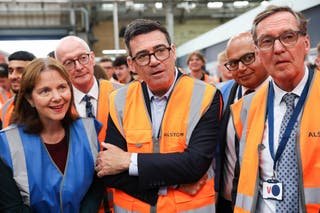
Andy Burnham has declared his intention to contest the upcoming by-election in Makerfield, setting the stage for a significant political contest against Nigel Farage. The Mayor of Greater Manchester, a prominent figure in the Labour Party, is aiming to return to Westminster following the resignation of the sitting Labour MP, reports BritPanorama.
This decision comes after Burnham, known as the “King of the North”, expressed his desire to extend the changes he implemented in Greater Manchester to the entire UK. His return is seen as a crucial step for Labour, particularly as it faces leadership challenges and electoral pressures. Following local elections that indicated a surge in support for Farage’s Reform party, which captured over 50% of the vote in Makerfield, Labour’s hold on the constituency is in jeopardy.
Sir Keir Starmer, the Labour leader, is not expected to obstruct Burnham’s candidacy, unlike earlier attempts when Burnham sought another seat. This shift in strategy from Downing Street suggests an acknowledgment of Burnham’s potential influence within the party and his ability to galvanize support among party members and voters alike.
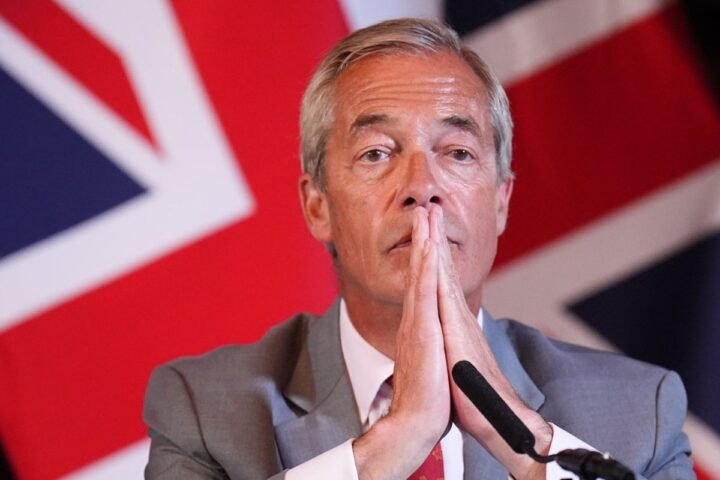
Farage responded swiftly, committing to invest significant resources into the by-election campaign. His party’s recent performance in local elections signals a heightened competitive environment, further complicating Labour’s already delicate position.
In the backdrop of this political maneuvering, previous Labour leadership considerations have emerged, particularly surrounding Wes Streeting, who recently resigned as Health Secretary. Streeting’s departure has been interpreted as a critique of the government’s trajectory, with implications that point toward broader dissatisfaction within Labour ranks regarding Starmer’s leadership.
Hours after Streeting’s resignation, Josh Simons, the Labour MP for Makerfield, announced he would step down to allow Burnham a clear path to candidacy. This decision underscores a growing sentiment within Labour that a leadership change may be necessary to reinvigorate the party and address prevailing electoral challenges.
Burnham articulated his reasons for seeking a return to Parliament, asserting that the current political system largely neglects regions like Greater Manchester, and that more significant national changes are necessary to improve living conditions. He emphasized the need for Labour to unify, while also suggesting that the Prime Minister be granted stability during this crucial electoral period.
Public sentiment appears divided, with speculation surrounding Burnham’s viability in Makerfield set against the emerging challenges within Labour. The constituency has a slender Labour majority from the last general election, which may amplify Reform’s challenge as they capitalise on recent successes. Burnham’s candidacy will likely incite both support and concern within Labour, as many view him as a formidable successor to Starmer should the party continue to struggle.
In the shadows of these developments, figures like Angela Rayner have also reemerged in discussions about potential leadership contenders, especially after being cleared of tax-related allegations. Rayner’s previous government resignation and recent statements indicate she may be positioning herself for a future bid, contributing to the evolving landscape within Labour where several paths forward remain under consideration.
As the Makerfield by-election date approaches, the implications of Burnham’s candidacy stay paramount, potentially reshaping not only his political future but also the trajectory of Labour as a whole.
The current political landscape reflects the intertwining complexities of loyalty, leadership, and electoral survival, setting the stage for a riveting contest that could determine not just local representation but wider party stability.