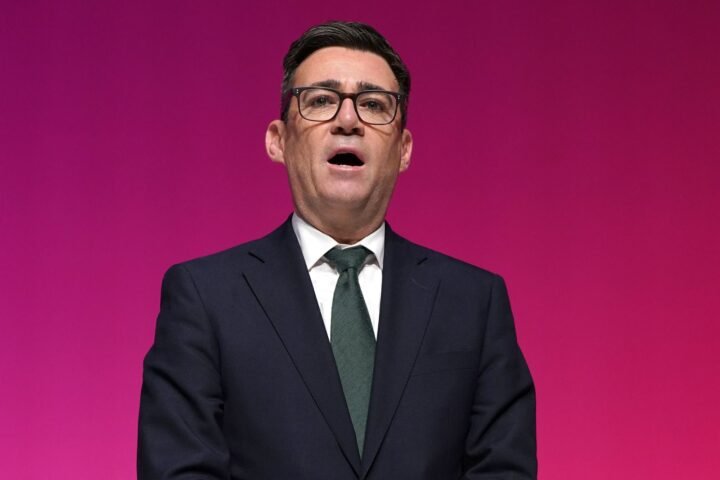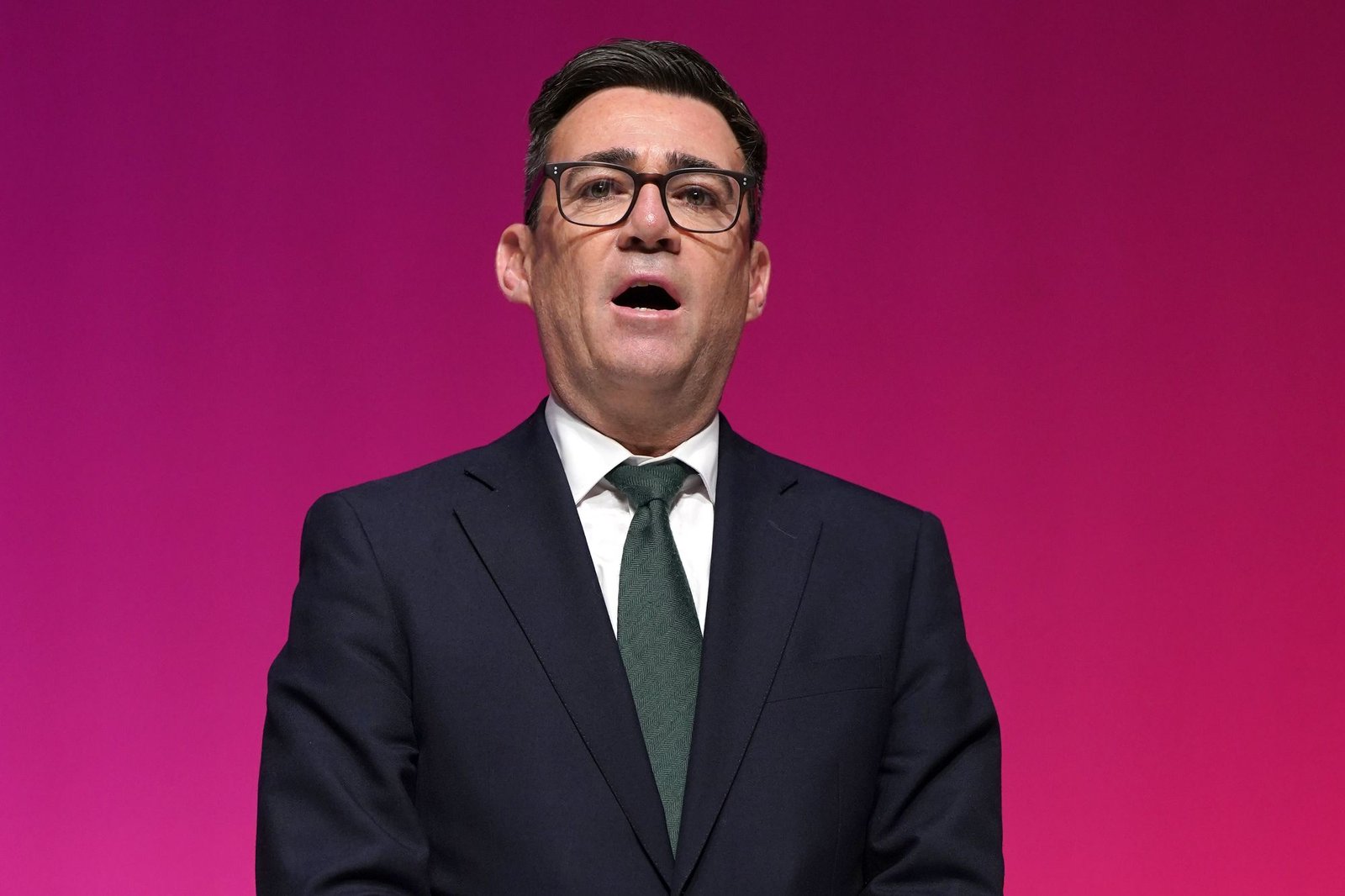
Andy Burnham faces criticism over claims of Russian interference in Brexit vote
Andy Burnham has come under fire for asserting that Russia interfered in the Brexit referendum, suggesting that foreign actors may have influenced the outcome in favour of the Leave campaign, reports BritPanorama.
The Prime Minister contended that Vladimir Putin’s actions contributed to a climate of disinformation during the 2016 vote. This claim has been met with skepticism, as a report indicated it was “difficult, if not impossible” to ascertain the actual impact of Russia on the campaign.
In response to these assertions, Shadow Foreign Minister Wendy Morton defended the legitimacy of the referendum outcome, stating that questioning it would undermine national interests. She added, “The public made their decision, and Andy Burnham’s attempts to turn back the clock run against the best interests of our country.”
Morton emphasized that threats from hostile nations manifest in various ways, but the result of the Brexit referendum stands firm. The debate around foreign interference in British democracy has rekindled, particularly given Burnham’s claims regarding a pattern of interference, which includes allegations surrounding the 2019 General Election.
The Prime Minister reported that upon assuming office, he sought clarity from officials regarding Russian meddling in the referendum and received assurance regarding its occurrence. However, the Intelligence and Security Committee’s 2020 report highlighted that gauging the influence of Russian interference on the referendum results would be virtually impossible.
At the recent United Nations assembly, Burnham reiterated his concerns about interference in the UK’s electoral processes. In a strategic shift, he also hinted at the possibility of re-evaluating the UK’s relationship with the European Union, stating a desire to “repair relations” with Europe.
He noted, “We could stay as we are. We could look at what George Osborne said about a customs union, we could look at what the Lib Dems said about the single market, or we could go all the way.”
This dialogue reflects ongoing complexities within UK-EU relations and the influence of external actors in domestic politics.
The evolving nature of these discussions underscores the need for vigilance in protecting democratic processes and the importance of verifying claims regarding foreign intervention in national referenda and elections.