Andy Burnham sworn in as MP with eye on Prime Ministership
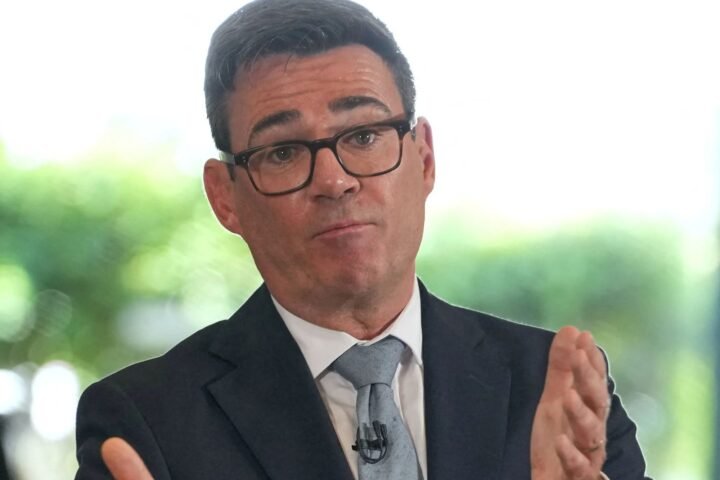
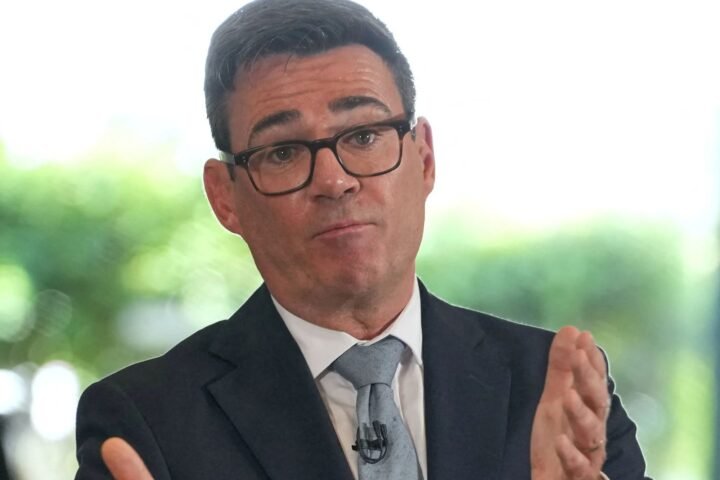
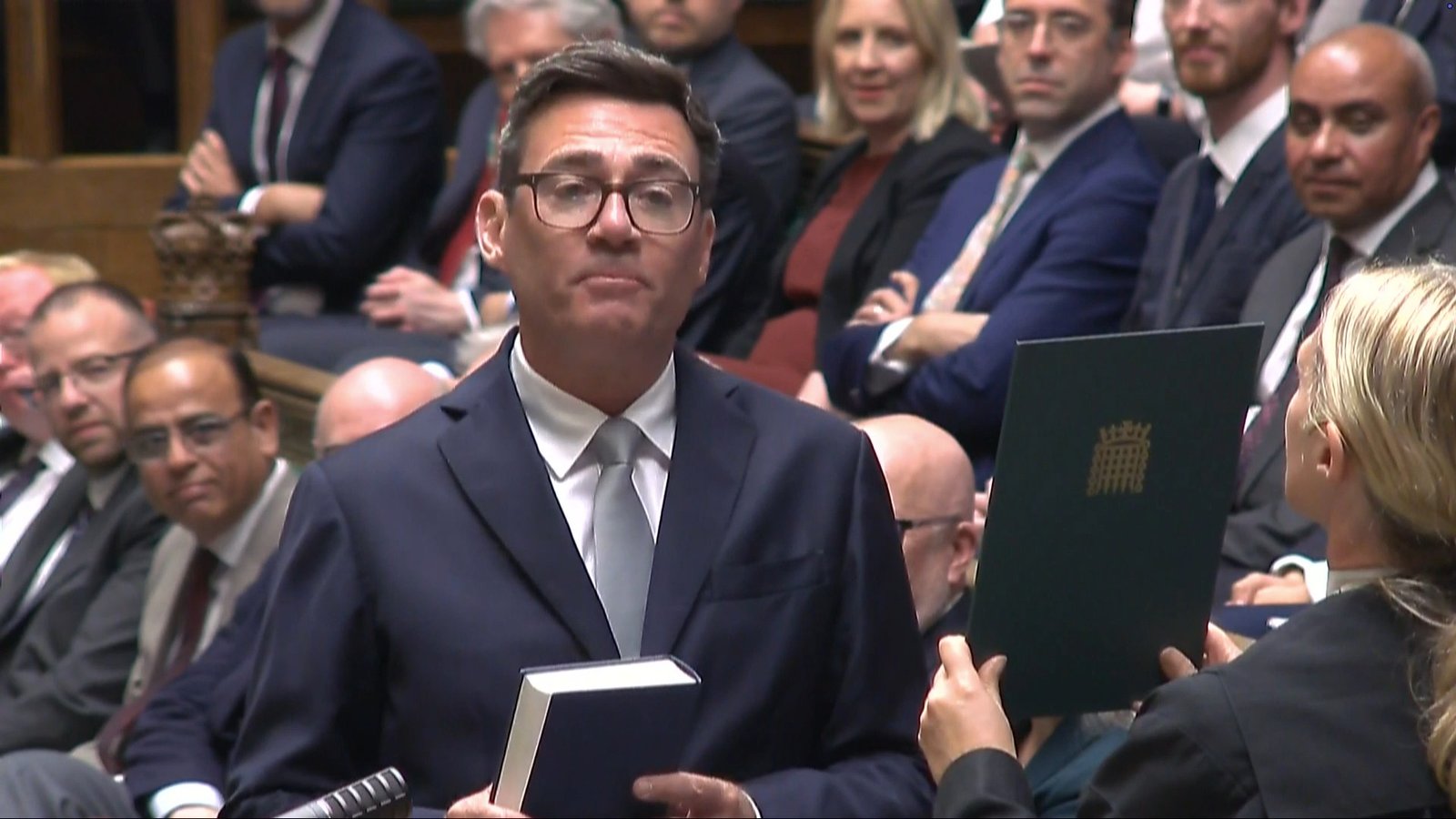
Andy Burnham was sworn in as the MP for Makerfield following the resignation of Sir Keir Starmer, with his sights set on becoming Prime Minister in the near future, reports BritPanorama.
Amid a media frenzy at London’s Euston Station, Burnham dodged questions regarding a potential general election as he arrived in the capital after Starmer’s tearful departure from Downing Street. His initial comments suggested he felt it premature to speculate on such matters, saying discussing a general election would be “jumping several hurdles ahead.”
Nominations for the Labour leadership will officially open on July 9, and should no other candidates emerge, Burnham could find himself stepping into Number 10 as early as July 17 or 18 — he remains the only declared candidate at this time.
During his arrival in Westminster, Burnham was met with a mixed reception, as opposition MPs heckled him with remarks referencing Monty Python, while he responded playfully, indicating he was embracing the moment. The journey to this point follows substantial political turnover, with Starmer’s exit marking yet another chapter in Labour’s evolving narrative.
Burnham, previously the Mayor of Greater Manchester, reflected on his time in that role with fondness before making the transition to an MP, expressing gratitude for the support he received from constituents. His statements indicate a focus on maintaining a positive relationship with his past electorate while also addressing the immediate responsibilities of his new position.
The political implications of Burnham’s leadership in the Labour Party are yet to unfold, but observers are keenly assessing how his previous experience might shape future governance and party dynamics. His ascension comes at a time when the Labour Party grapples with its identity and electoral strategy post-Starmer.
The outcome of the impending leadership contest and Burnham’s role in it reflects broader questions about the future direction of the Labour Party and its ability to unite amidst internal divisions, particularly as elections loom on the horizon.
This evolving situation within the Labour Party underscores the need for robust discourse on leadership and governance as the UK navigates a politically turbulent landscape.