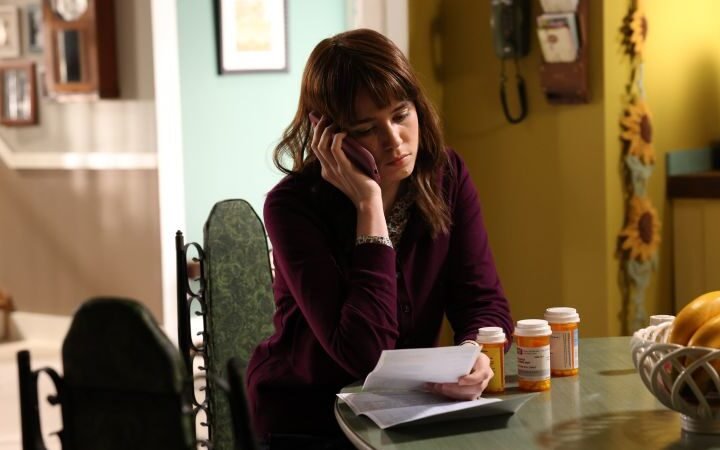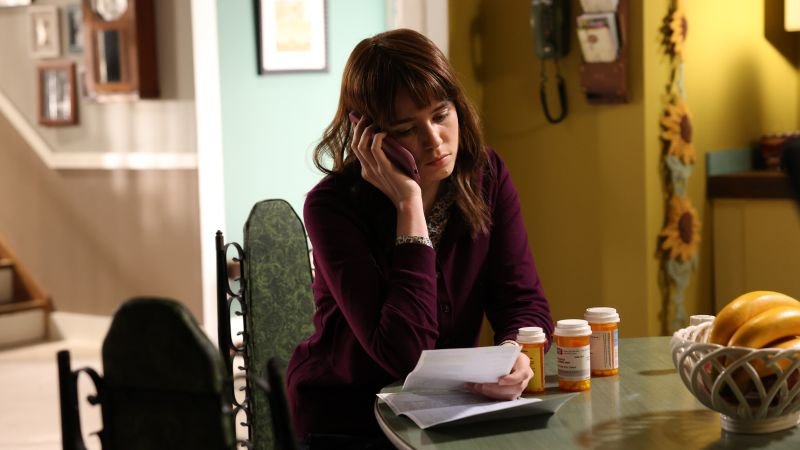
A recent episode of “Saturday Night Live” featured a skit titled “Sister” that resonated deeply with audiences, shedding light on the burden of caregiving, particularly for women. The segment humorously depicts a system wherein a text message—“dad fell”—summons a sister to abandon her life and move back home to take care of her elderly father for free, reports BritPanorama.
In the sketch, comedian John Mulaney introduces the fictional care service, which immediately highlights societal expectations placed on women regarding caregiving roles. A doctor character explains that years of internalized sexism make women feel that caregiving is their responsibility rather than a family duty, emphasizing the emotional and practical challenges faced by women caregivers.
The sketch has garnered millions of views on YouTube and sparked discussions across caregiver forums. Dr. Donna Benton, director of the USC Family Caregiver Support Center, noted a surge in communications following the airing, reflecting the prevalent impact of caregiving responsibilities among women. “It hit a nerve, obviously, with many, many women,” Benton remarked, highlighting that the topic has long been overlooked.
Her research indicates a persistent 70-30 gender split in caregiving roles in California over decades. “That hasn’t changed in the 40 years,” Benton stated, reinforcing the notion that systemic issues regarding gendered caregiving remain.
The sketch has prompted many viewers to reach out and inquire about how to address caregiving challenges, with Benton expressing hope that it could ignite a broader national conversation. “If this starts a new national conversation, that will be a success,” she said.
Your caregiving future
For many, the likelihood of providing care for aging parents is significant, particularly for women, as most older individuals rely predominantly on family support for their long-term care needs. Studies show that nearly 51 million Americans, or one in five adults, are caregivers for those aged 50 and older, with three in five being women.
Benton emphasizes that the traditional dynamics of caregiving contribute to stresses on family systems. “We think the way our parents were in their 50s and 60s will continue forever,” she cautioned. As parents age, often past 80, they will require increasing assistance, impacting their children’s lives significantly.
Approximately 44% of caregivers are in full-time employment, yet many find themselves leaving the workforce or reducing hours as caregiving demands escalate. This shift not only affects their immediate job security but also diminishes long-term financial health, as caregivers often forgo substantial wages and retirement contributions. “An average working caregiver forfeits about $120,500 in wages, retirement savings, and Social Security,” noted AARP representative Debra Whitman.
This trend has led to what some call the “daughter tax,” where the burden of caregiving disproportionately affects women. As caregiving escalates, women are often the ones managing a wide array of tasks, from medication management to transportation for doctor visits, all without enough formal or financial support.
The “SNL” sketch, while humorous, addresses these realities, revealing the emotional labor involved in navigating a complex healthcare system. Benton remarked that the character’s plea, “Speak to human. Speak to human,” exemplifies the frustrations many caregivers experience when attempting to secure help amidst bureaucratic obstacles.
As conversations on caregiving unfold, Benton advocates for a reevaluation of how society perceives and supports caregivers, particularly women. “We don’t have a good national long-term strategy for caregiving,” she concluded, underscoring the urgent need for systemic change as the population ages. The discussion is far from over, leaving many pondering how society will adapt to the growing demand for caregiving in the coming years.