The United States is currently facing multiple significant salmonella outbreaks linked to food and pets, with hundreds of reported illnesses across dozens of states and one confirmed death, reports BritPanorama.
The outbreaks have prompted intervention from health authorities, with the U.S. Centers for Disease Control and Prevention (CDC) estimating that salmonella is responsible for approximately 1.35 million infections and around 420 deaths annually. Contaminated food sources are often to blame, but animals also contribute to the spread.
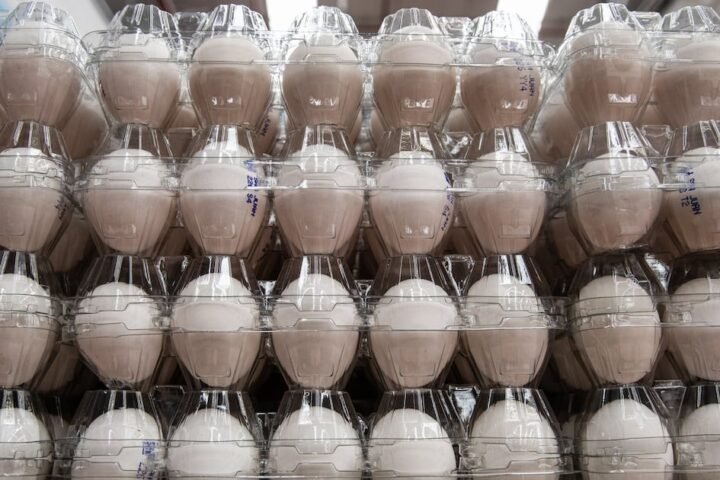
One outbreak involves eggs produced in Texas, which have led to more than 1.5 million dozen containers being recalled. The CDC has recorded 98 cases, with 26 hospitalisations linked to these eggs across 17 states. The eggs were distributed to various grocery chains including Kroger and Brookshire Grocery, with sell dates between July 20 and August 17.
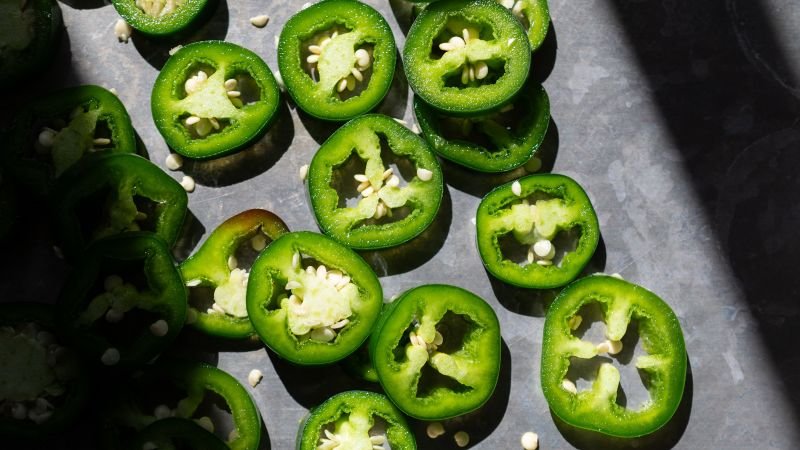
Another outbreak concerns recalled jalapeño peppers from Sinaloa, Mexico, with 345 reported cases and 36 hospitalisations in 27 states as of early August. The peppers were primarily distributed to restaurants rather than grocery stores, raising concerns about undetected cases.
What’s causing salmonella outbreaks this summer?
Additional outbreaks have been reported, including eight multistate incidents associated with contact with backyard chickens and ducks and a smaller outbreak linked to children handling pet veiled chameleons. In total, 814 individuals have been affected by poultry-related cases, with children under five constituting a significant portion of those infected.
As of July 27, the CDC noted that 201 cases required hospitalisation, with the death toll remaining at one. The persistent issue of salmonella infections underscores the need for ongoing surveillance and public awareness regarding food safety and animal interactions.
Where are the outbreaks happening?
Eggs
The egg-related outbreak has resulted in a notable number of cases stretching across multiple states, prompting health officials to closely monitor and address the situation. The locations affected include Texas, Louisiana, Oklahoma, Arkansas, New Mexico, and Mississippi.
Furthermore, the salmonella risk extends to various foods and environments, necessitating an overarching public health response to mitigate the potential for further outbreaks. Investigations remain underway to ascertain the full scope of these contamination events.
Jalapeño peppers
Jalapeño peppers linked to a recent outbreak stem from a distribution network focused on food service rather than retail, with implications for how cases may be reported and managed. Consumers have been advised to remain vigilant regarding the source of their food to reduce the risk of infection.
Backyard poultry
The role of backyard poultry in spreading salmonella highlights the challenges of managing disease transmission in domestic settings. As the CDC continues to investigate, the emphasis on education about safe handling practices is paramount to protect vulnerable populations.
The current spate of salmonella outbreaks serves as a reminder of the need for thorough food handling practices, with public health officials urging individuals to maintain hygiene and proper cooking techniques to minimize infection risks. As efforts to prevent further outbreaks are ramped up, the implications for public health and safety remain significant.
The ongoing monitoring and response efforts underscore the intricate relationship between food sources, animal interactions, and public health, highlighting the critical need for effective strategies to manage and contain such outbreaks moving forward.