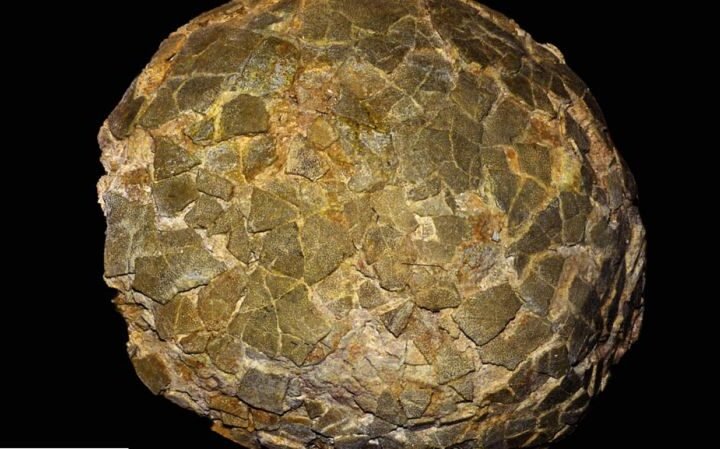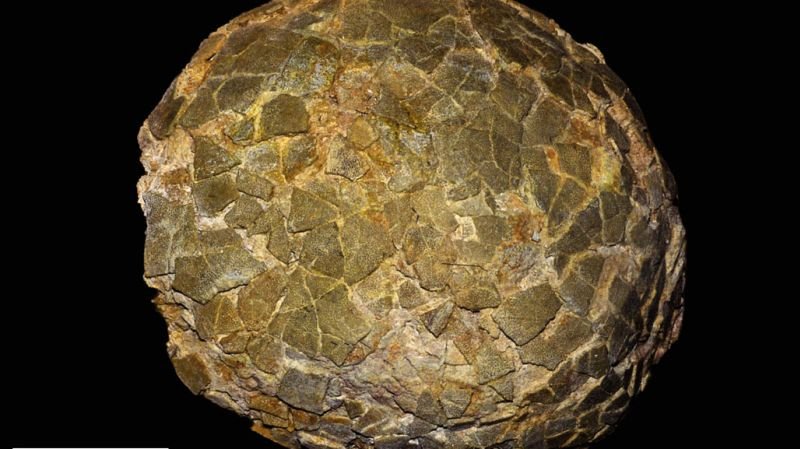
The discovery of titanosaur eggs in southern Argentina reveals that the largest dinosaurs capable of reproducing did so at high latitudes, employing innovative methods to keep their eggs warm, reports BritPanorama.
Traditionally, most titanosaur eggs and eggshells have been located in lower-latitude regions nearer the equator, where milder temperatures facilitated incubation. The recent findings challenge earlier assumptions about the nesting behaviours of these dinosaurs, suggesting they successfully nested in areas traditionally deemed inhospitable.
These long-necked herbivores, known as sauropods, likely formed herds and may have migrated over lengthy distances, returning to the same nesting sites across generations. Darla Zelenitsky, a paleontologist at the University of Calgary and senior author of the study, explained that skeletal remains have been found in localities ranging from Antarctica and southern Argentina to Mongolia and Texas.
“They clearly spent time in higher latitude areas, but until now it wasn’t known whether they were also nesting there,” Zelenitsky highlighted. This study, published in the journal Royal Society Open Science, points to a new understanding of these dinosaurs’ reproductive strategies.
Unlike many smaller dinosaur species today, it’s believed titanosaurs did not incubate their eggs. Zelenitsky noted that their large size would have posed challenges to brooding, making it unlikely that they played a protective parental role after laying their eggs.
Eggs require warmth for successful development, and sunlight diminishes at higher latitudes. The research indicates that titanosaurs adapted to these conditions through the construction of nests that allowed for sufficient warmth. “The most likely scenario is that these titanosaurs laid their eggs in mound nests made of vegetation and soil, where incubation heat came mostly from rotting plant material,” Zelenitsky stated.
Analysis of the eggshells revealed that they were highly porous, necessitating a humid environment to prevent desiccation. Nests buried in sand, soil, or vegetation would maintain adequate moisture levels for the developing embryos.
Nests the size of picnic tables
Researchers recovered 255 eggshell fragments from the Chorrillo Formation in Argentina, located approximately 200 miles north of the Strait of Magellan. Dating back around 68 million years, these clutches of eggs represent the highest latitude nesting site known for sauropods and the southernmost confirmed evidence of dinosaur eggs.
Steve Brusatte, a paleontologist from the University of Edinburgh, emphasized the significance of this discovery, stating, “What is particularly important about this new discovery, though, is that these dinosaur eggs belonged to titanosaurs, giant potbellied long-necked dinosaurs.” He noted that sauropod remains have historically been scarce in high-latitude regions.
“Some of the very largest animals in Earth’s history were laying eggs and hatching their babies at high latitudes in the Cretaceous,” Zelenitsky remarked, reflecting on the implications of adaptability and resilience displayed by these creatures.
Paul Upchurch, a professor of paleobiology at University College London, commented that the presence of eggs at high latitudes suggests that titanosaurs might not have migrated seasonally, as previously theorized. Instead, they may have remained year-round, adapting their reproductive cycles to the regional climate.
Titanosaurs are acknowledged as the largest land animals, with some individuals weighing approximately 75,000 kilograms. However, dinosaur eggs are scarce in the fossil record due to their fragile composition, complicating preservation efforts.
While the exact species of the recovered eggs remains undetermined, associated teeth suggest they belonged to colossosaurians, which includes some of the largest titanosaurs. “If these eggshells belong to colossosaurians, the hatchlings had to have had plenty of nutritious food resources in that environment,” Zelenitsky explained.
Though their size was immense, the eggs measured about 1/18,000th of an adult titanosaur, containing roughly 4 litres of liquid, with hatchlings weighing around 4 kilograms. The nests likely left a significant impression on their surroundings, especially if multiple dinosaurs nested together.
“I envision the nest as a picnic table size mound of dirt and vegetation with the egg clutch buried inside, so it probably wasn’t an inconspicuous structure,” Zelenitsky noted, indicating the distinctiveness of these nests in their ecological context.