As cases of cyclosporiasis continue to surge across the United States this summer, health officials are confronting a persistent dilemma regarding the transmission of the parasite responsible: how is human waste contaminating the food supply, reports BritPanorama.
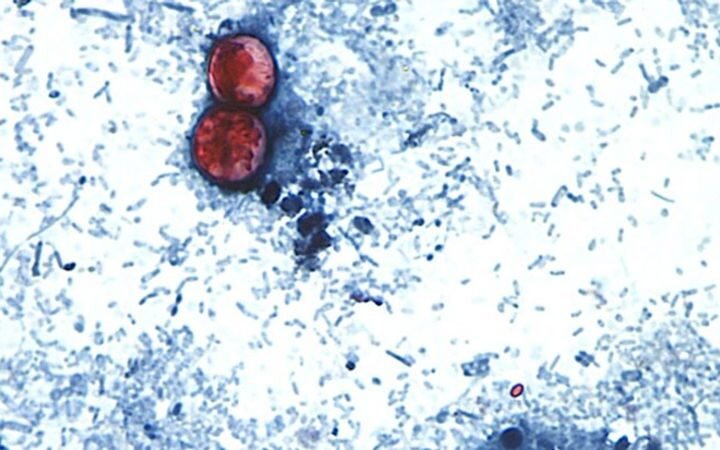
The stark reality about cyclospora is that humans are its sole hosts, with the organism exclusively found in human feces. If it’s detected in food or water, “it doesn’t take a rocket scientist or a microbiologist to overthink this,” noted Dr. Mark Moorman, a former director at the U.S. Food and Drug Administration’s Office of Food Safety. “Humans are the source.”
Compounding the issue, investigators have struggled to definitively trace the origins of any outbreaks. There is a growing urgency surrounding this matter, especially as the U.S. faces its largest ever cyclospora caseload, exceeding 11,500 confirmed and suspected cases across 41 states, as noted by the CDC.
Notably, these infections have primarily been acquired domestically, diverging from the usual pattern of cases stemming from international travel. “Typically, we only see 2,000 to 4,000 a year, so this is a pretty big spike,” commented Dr. Keith Schneider, a food safety expert at the University of Florida. In fact, around one in five cases usually arise from foreign travel.
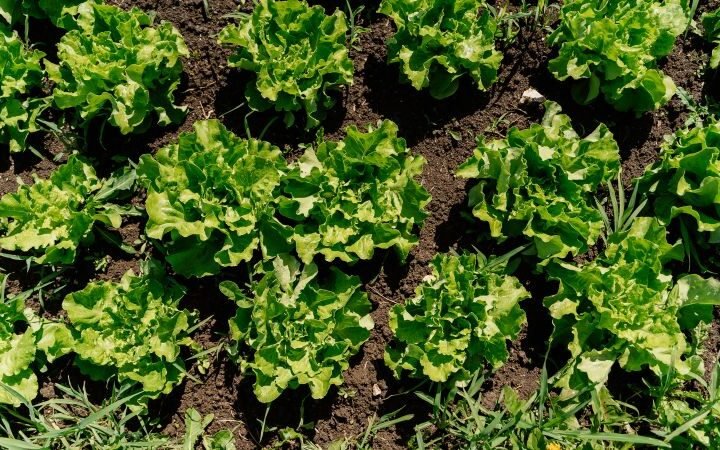
The rise in infections during the summer months has led the FDA to investigate several outbreaks, including a significant nine-state incident linked to iceberg lettuce cultivated in Mexico. Furthermore, the FDA is currently examining another cluster of 72 related cases with an undetermined source.
The search for a ‘smoking gun’
As investigations progress, environmental assessments often yield unclear results. “We just don’t have much in the way of success stories to say, ‘Ah, got it, smoking gun,’” Dr. Moorman observed.
For instance, an FDA inquiry in 2013 related to a cyclosporiasis outbreak associated with a salad mix from Taylor Farms de Mexico failed to identify the parasite during testing but noted the harvesting workers had taken medications for diarrhea, indicating potential contamination sources without definitive conclusions.
The inherent nature of the cyclospora parasite complicates investigations. Symptoms can take up to two weeks to manifest, delaying diagnosis and complicating traceback efforts. Consequently, by the time health authorities identify potential sources, the implicated products may no longer be available for testing.
Current investigations involve collaboration across state health departments and the CDC, focusing on data collection to ascertain a common exposure among affected individuals. Reliable tracking is hindered by patients’ poor recollection of food consumed weeks prior. To mitigate this, health departments often reference electronic purchase records to establish connections.
This season, while iceberg lettuce is the prime suspect in the largest outbreak, several clusters remain without identifiable sources. In cases like this, state and federal health officials work together to trace the outbreak back to specific suppliers and farms, conducting comprehensive environmental assessments by sampling soil, water, and produce.
Yet, the problem is often exacerbated by the timeframe of these investigations. By the time inspectors arrive at an affected farm, the outbreak is often deemed resolved.
“All of that time is really tricky,” Dr. Kniel pointed out, emphasizing the lapse between identification of a suspected source and actionable testing. “By the time you do that, these products with shelf lives are gone.”
‘Water is number one’
Despite challenges in finding cyclospora in environmental samples, past findings during investigations, such as a notable instance in 2020 where the pathogen was detected in canal water linked to Fresh Express salad kits, represent some of the closest leads to identifying contamination pathways.
Food safety experts assert that water contaminated with human fecal material is likely a significant vector for infecting produce. “Water is number one,” stated Dr. Jennifer McEntire, a consultant in food safety. The mechanisms of such contamination, however, raise further questions.
While direct contamination seems implausible, unintentional sources from agricultural practices could exist. Workers in the fields often have access to portable toilets, and it remains uncertain if waste management mishaps could lead to contamination of water supplies utilized for irrigation.
Furthermore, while worker-handling of food may spread the parasite, experts consider this less likely as a widespread vector. The predominant suspicion remains with water systems as the primary carrier, although firm regulations requiring testing of irrigation water and produce for cyclospora are lacking.
Emphasizing this concern, Moorman expressed a desire for more proactive measures from both regulatory bodies and major food retailers. The potential for change exists, notably if large produce purchasers initiate testing protocols among suppliers.
It remains apparent that greater attention is finally being devoted to this public health issue, a sign that awareness is gradually increasing around the significance of food safety in the face of cyclical outbreaks of complex parasitic infections.