Health experts have reassured the public that the risks associated with Ebola and hantavirus are predominantly low, despite recent sensational headlines. Dr. Thomas Moore from the University of Kansas School of Medicine highlighted that for the average traveller, the risk of encountering these viruses is essentially nonexistent, reports BritPanorama.
The urgency surrounding these health concerns has been amplified by heightened anxieties inherited from the Covid-19 pandemic. Dr. Ronald Nahass, president of the Infectious Diseases Society of America, explained that this apprehension stems from the invisible nature of viruses, which often leaves people feeling vulnerable and exposed. He characterized this heightened awareness as a form of collective PTSD, shaped by recent global events.
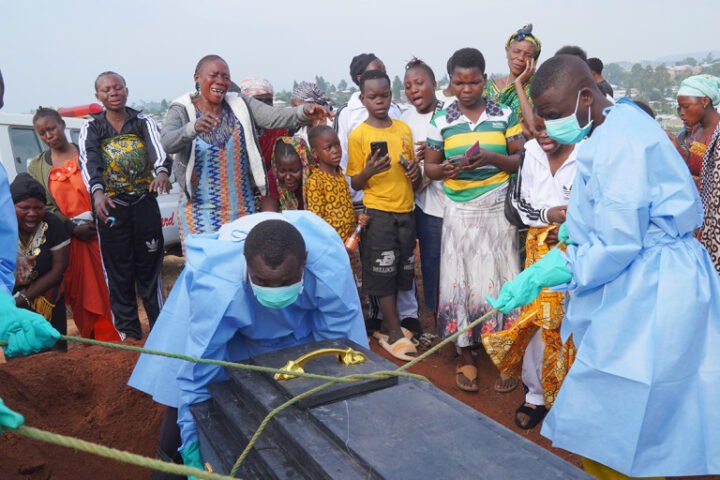
Experts pointed out that while Ebola poses significant risks in Africa due to specific transmission methods—such as contact with bodily fluids during burial rituals—these factors do not readily extend to the general population outside these contexts. Dr. William Schaffner from Vanderbilt University explained that each virus exhibits its unique characteristics and transmission dynamics, emphasizing that fear of one should not extend to another without context.
Transmission of Ebola typically occurs through direct contact, with burial customs in some African communities playing a critical role in its spread. Schaffner further noted that unaffected individuals on an airplane pose no risk to others, as the danger materializes only once symptoms emerge.
Why you shouldn’t worry about an Ebola pandemic
For transmission of Ebola to occur, direct interaction with infected bodily fluids is required, which is uncommon outside the epidemic zones in Africa. Schaffner pointed out that household interactions with sick individuals contribute significantly to the virus’s spread in affected regions, but noted that these scenarios are not likely to present themselves for international travelers.
The fear of contagion through travel remains, but experts reiterate that an asymptomatic individual infected with Ebola does not pose a threat to fellow passengers. Understanding this crucial point is essential for alleviating undue anxiety regarding travel to regions where Ebola outbreaks are occurring.
Why you shouldn’t worry about a hantavirus pandemic
In North America, strains of hantavirus typically do not transmit between humans but rather through contact with infected rodents. Instances of common hantavirus are exceedingly rare, with only 890 reported cases over three decades until 2023. The Andes strain, however, does have limited human-to-human transmission but still requires specific conditions that reduce its spread to negligible levels.
Schaffner highlighted that even in environments with close contact, such as cruise ships, only a small number of infections were reported recently, demonstrating that, despite its classification as contiguous, the Andes hantavirus may not exhibit high levels of contagiousness.
What viruses should you be concerned about?
With the upcoming World Cup in the US, Mexico, and Canada, experts urge attention towards common infectious diseases likely to proliferate in crowded settings. Respiratory viruses, particularly those that contribute to colds, influenza, and Covid-19, are areas of concern. As vaccination rates for these diseases, including measles, continue to fall, experts stress the importance of maintaining vigilance against outbreaks.
Dr. Nahass specifically warned about measles due to its high transmissibility and the danger it poses to under-vaccinated communities. This situation could ignite further outbreaks, particularly among vulnerable populations.
What’s the best way to protect yourself from viruses?
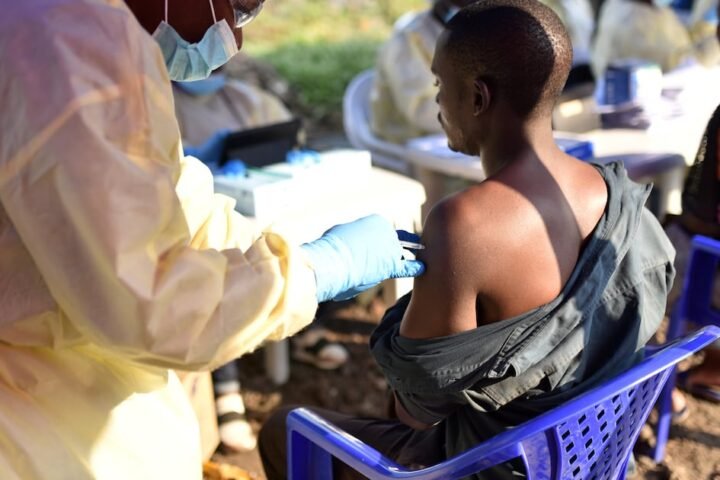
Health officials recommend robust preventative measures to mitigate risks associated with viral infections. Regular handwashing remains a key strategy, as does getting vaccinated for prevalent diseases. The importance of maintaining up-to-date vaccinations cannot be overstated, alongside practical measures like avoiding crowded venues during peak infection seasons.
Vigilance regarding food and drink, particularly whilst traveling, is critical to avoid diarrheal diseases. Experts advise careful consideration of what to consume, highlighting the adage, “Cook it, peel it, boil it or forget it.”
In summary, while anxiety around viral outbreaks continues, public health experts emphasize a balanced understanding of risk and preventive measures tailored to actual threats, fostering informed decisions regarding travel and daily activities.