Early West Nile virus activity raises alarm across the United States
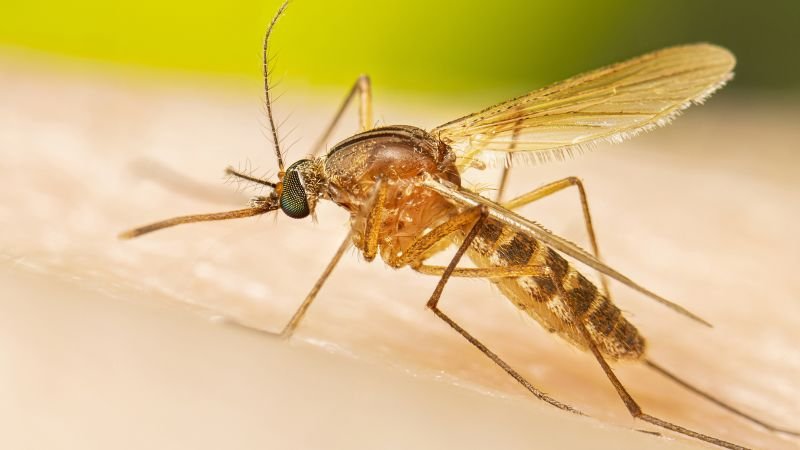
With the United States grappling with an early surge in West Nile virus cases, Dr. Peter Hotez, an infectious disease specialist in Houston, emphasizes the importance of mosquito bite prevention as he takes precautions during his morning walks, reports BritPanorama.
Hotez, director of the Center of Vaccine Development at Texas Children’s Hospital, is particularly cautious following the experience of Dr. Anthony Fauci, a former director of the National Institute of Allergy and Infectious Diseases, who contracted West Nile virus and described it as “the sickest I’ve ever been.” This heightened awareness comes as the US Centers for Disease Control and Prevention (CDC) reports an early onset of the West Nile virus season, the earliest in more than twenty years.
Typically, cases begin to rise in July, peaking in August and September. However, as of June 30, 2025, there have already been 48 reported cases, with nearly 80% classified as neuroinvasive disease, indicating serious complications when the virus reaches the brain. The last occurrence of such early activity was in 2004, which concluded with over 2,500 cases and more than 100 fatalities. Although the current figures may seem low, Dr. Lyle Petersen, director of the CDC’s Division of Vector-Borne Diseases, warns that actual infections may be significantly higher, perhaps as much as 30 times the reported number, as many cases go undiagnosed due to mild or non-existent symptoms.
This year, West Nile activity has been confirmed in 23 states—an early rise unseen in a decade, according to the CDC. This includes reports from states like Arizona, which has experienced the highest incidence, including 29 confirmed cases and four deaths. Dr. Daniel Pastula from the University of Colorado recommends rigorous preventive measures, especially for residents in affected areas like Phoenix.
While there is no specific treatment for West Nile virus, several vaccines have been developed for horses, and human vaccines are in early-stage clinical trials. Experts highlight that the most effective defense remains preventive measures such as eliminating standing water, using larvicides, maintaining screens, and treating clothing with repellents.
In light of the alarming trends, health officials urge the federal government to increase funding for local mosquito control programs and accelerate vaccine development. Pastula underscored the critical need for improved financial support to mitigate the risks associated with this resilient virus.
As the situation develops, the collective insight from public health experts underscores that vigilance remains paramount in the face of this ongoing threat.