Michelle Mingrone launched a grassroots campaign in Washington, DC, to tackle the mosquito problem affecting her community, with 1,800 homes joining in just three months, reports BritPanorama.
The issue became personal for Mingrone, an avid gardener in the Capitol Hill neighborhood, as she found herself routinely disturbed by mosquitoes during summer. These pests not only cause discomfort but also pose a risk of diseases such as malaria and Zika. “They’re intolerable. You cannot be outside,” Mingrone stated. She sought help from local government and discovered that only one specialist oversees the district’s mosquito control efforts.
Realizing the limited municipal resources, Mingrone decided to take matters into her own hands. In March, she posted on a local parenting listserv, expressing her determination to address the growing mosquito population and inviting others to join her effort. “Want in?” she asked, providing a link to an interest form. Initially hoping to recruit 40 households, she was surprised to receive 600 responses in just four days.
This enthusiastic response led to the formation of the Itty Bitty Mosquito Population Committee. Inspired by a successful pesticide-free approach from a Maryland community, the committee aims to reduce the local mosquito population through community action. Mingrone emphasized that engaging more residents would enhance the initiative’s effectiveness since mosquitoes do not respect property lines.
Mingrone’s initiative is positioned within a larger context of expanding mosquito populations, largely attributed to climate change. According to the World Mosquito Program, regions worldwide, including Europe, have noted increases in mosquito numbers and the diseases they carry.
In the U.S., many areas have struggled with inadequate mosquito control funding and staffing, particularly in regions where mosquito populations have recently surged. Dr. Daniel Markowski of the American Mosquito Control Association pointed out that weather patterns are shifting, causing mosquitoes to spread further and carry diseases into areas with less defensive infrastructure.
Among the committee’s key strategies is the elimination of standing water where mosquitoes breed. Members have committed to discarding water in any container, as even a small amount can allow females to lay eggs. Additionally, they treat larger water sources, like ponds, with larvicide tablets, ensuring that significant breeding grounds are monitored and managed.
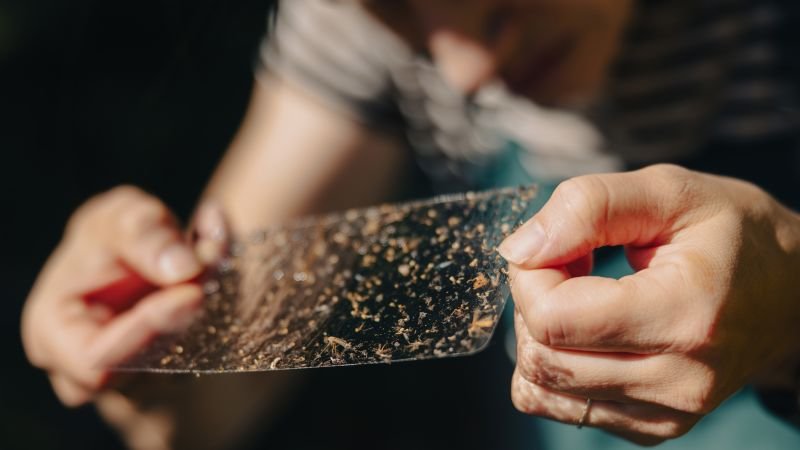
Furthermore, the committee employs baited traps designed to lure mosquitoes with human scents, effectively capturing them for disposal. Mingrone noted her satisfaction in monitoring these traps, which confirmed the effectiveness of their strategy. The use of electric traps, called Mosquitaires, has proved so effective in other regions that they completely eradicated mosquitoes on specific islands in the Philippines.
While the campaign is still in its early stages, community members report a noticeable decline in mosquito presence. “Pretty much all of the people that I’ve talked to have said the mosquitoes are way better this year,” Mingrone remarked. The collective action is fostering an environment where residents can once again enjoy their outdoor spaces without the annoyance of mosquitoes.
As local communities adapt to changing environmental conditions, initiatives like the Itty Bitty Mosquito Population Committee illustrate the potential for grassroots organization to address public health challenges effectively.