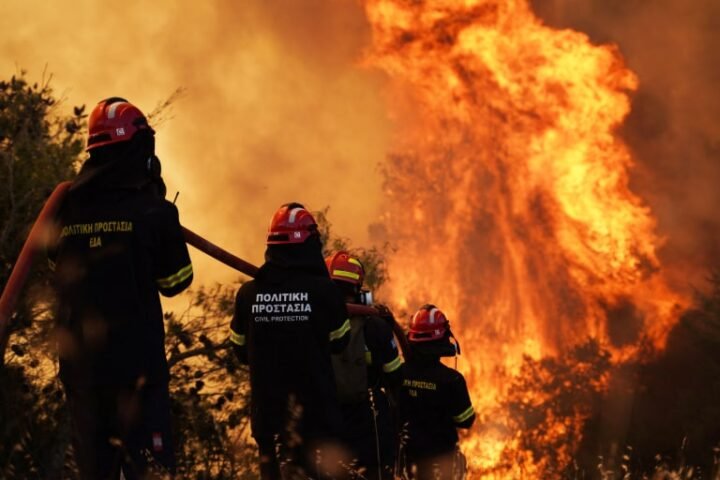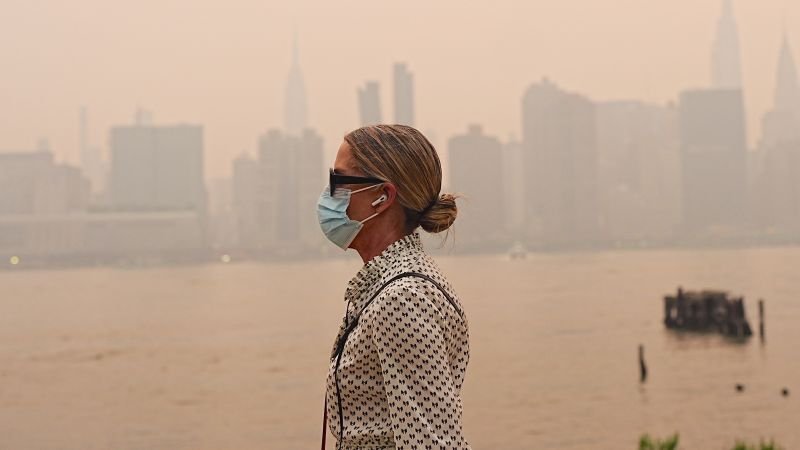
Millions of people across North America are facing unhealthy air quality due to extensive smoke from ongoing wildfires in Canada and northern Minnesota, reports BritPanorama.
The impact of the wildfire smoke is significant, with many areas registering hazardous levels of particulate matter. Residents in affected regions are advised to stay indoors, particularly during peak smoke conditions. Health experts emphasize that wildfire smoke contains a dangerous mixture of gases and fine particles, notably PM2.5, which can penetrate deep into the lungs and enter the bloodstream, posing severe health risks.
This health crisis has prompted officials to recommend that individuals monitor air quality indexes regularly. If conditions are categorized as unhealthy or worse, experts urge staying home to mitigate exposure. Dr. Rebecca Bascom, a pulmonary expert, highlights the advancement in real-time air quality monitoring, which aids residents in making informed decisions regarding outdoor activity.
How to check the air quality
Before venturing out, it is crucial to check resources such as AirNow.gov for current air quality reports, according to Dr. Bascom. The platform provides real-time data, allowing users to anticipate environmental hazards. If the air quality index is at unhealthy or very unhealthy levels, health professionals advocate for remaining indoors.
Dr. Rubabin Tooba, a pulmonologist, warns that even healthy individuals can experience breathing difficulties when exposed to wildfire smoke. Prevention remains key, as highlighted by Dr. Saema Tahir, who emphasizes that avoiding smoke exposure is essential for all, regardless of health status.
A well-ventilated home
If at home, it is advisable to keep windows and doors closed and run air conditioning units that are well-sealed to prevent outside air infiltration. Proper ventilation is essential, especially in hot weather, to avoid a build-up of harmful particles. Using a HEPA filter can effectively purify indoor air, removing approximately 99.97% of airborne particles, including smoke.
Experts also recommend optimizing HVAC systems with MERV-rated filters to enhance air quality indoors. Dr. Kirsten Koehler from Johns Hopkins emphasizes that keeping windows shut and using central air conditioning are key strategies for maintaining a safe indoor environment.
For those who cannot access HEPA filters, constructing a Corsi Rosenthal box using common materials can provide a lower-cost alternative. This home-made air filtration system can offer significant relief during wildfire smoke events.
Dos and don’ts for home
On days of intense smoke, minimizing outdoor exposure is critical. It is advisable to stock up on essentials like water, non-perishable food, and necessary medications to reduce the need for outdoor trips. Pet owners should prepare accordingly, ensuring adequate supplies for their animals without frequent walks.
Dr. Aida Capo, a pulmonologist, cautions against any heavy cleaning during high smoke days, as this could further aggravate already poor air quality. Using microwaves or fans to ventilate while cooking is recommended instead of traditional cooking methods that could exacerbate smoke exposure.
Masks are key
Health officials recommend keeping well-fitted N95, KN95, or P100 masks in emergency kits, particularly for those venturing outside. Children should have appropriately sized masks due to the risks associated with poor-quality masks in wildfire smoke, which do not provide adequate protection.
Be prepared for breathing issues
Individuals with asthma or COPD should have their medications readily available and be aware of the signs of escalating respiratory issues. Dr. Capo advises immediate medical attention for severe symptoms like shortness of breath or chest pain, particularly if worsening allergy symptoms occur in response to smoke.
If you have to drive
For those needing to travel through smoky conditions, it is essential to keep windows closed and use the car’s recirculation function to filter external air. Preparing with necessary supplies and medications is also crucial for safety during the journey.
Take smoke seriously
Experts unanimously stress the importance of taking warnings about poor air quality seriously. Staying indoors and avoiding strenuous outdoor activities is emphasized during episodes of intense wildfire smoke. As air quality remains unpredictable, being prepared and informed is key to personal health and safety.