Andy Burnham becomes Prime Minister amid internal Labour party strife
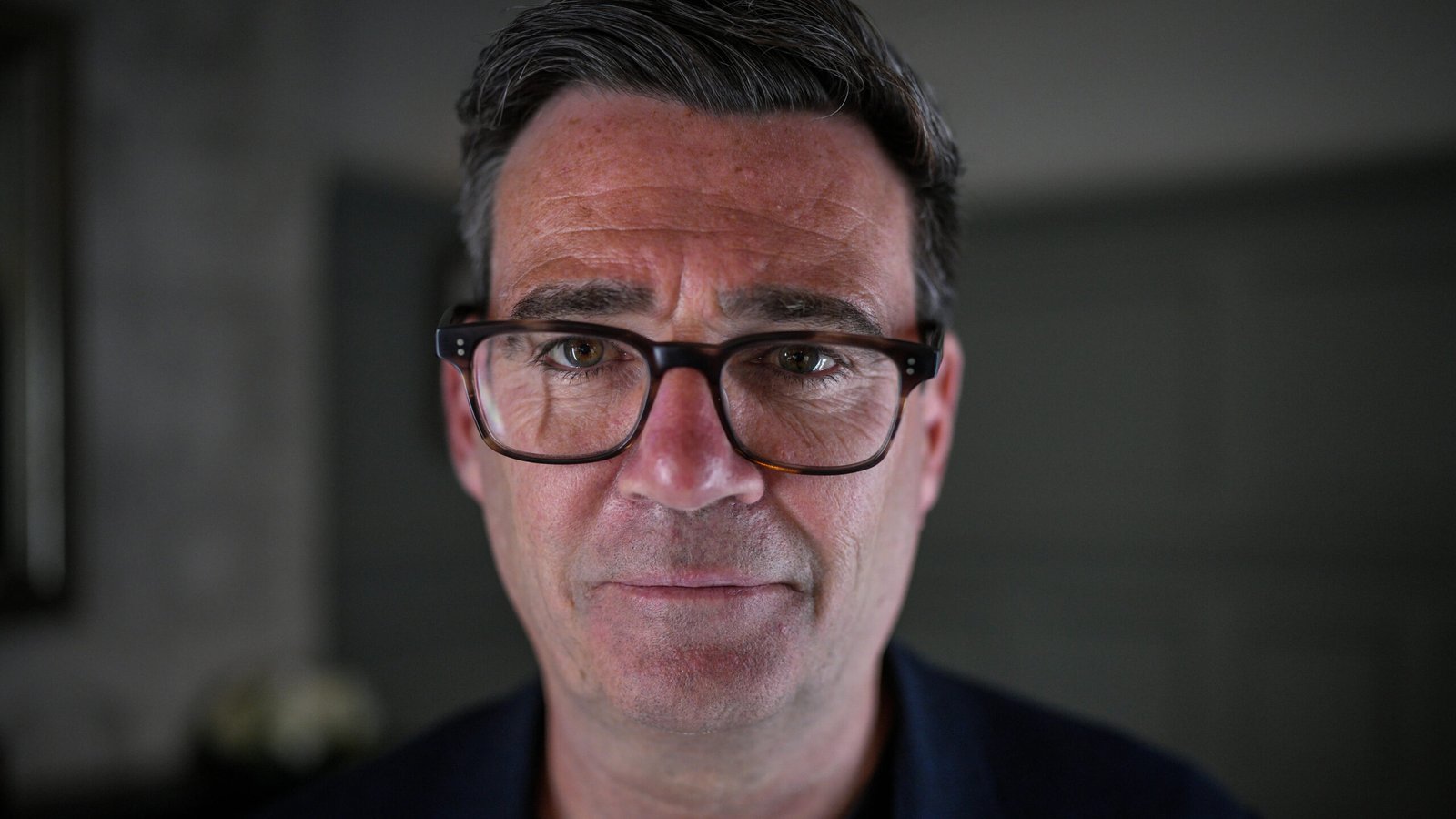
At noon on Monday, King Charles III will hand the seals of office to Andy Burnham, the new Prime Minister, who ascends to leadership without a popular mandate, reports BritPanorama.
Burnham, previously a failed contender for the Labour leadership, has unexpectedly emerged as a significant figure within the party, gaining support from 379 Labour MPs—95 per cent of the parliamentary party. Known as the “King of the North,” he has not yet taken questions, issued policy statements, or appointed a Cabinet, raising concerns regarding his immediate governance strategy.
As speculation arises regarding his cabinet appointments, the new PM’s first official meeting will be with Cabinet Secretary Dame Antonia Romeo, who is expected to present the stark realities facing Labour’s Britain including economic pressures and potential military issues.
The context is critical: with a high-tax economy burdened by £3 trillion of debt, many fear future political choices will exacerbate social inequalities. Suggestions abound that Burnham’s leadership could restrict access to power for moderate factions within his party, particularly concerning the selection of his Chancellor. The markets reportedly favour Shabana Mahmood, reflecting unease over Burnham’s previous association with figures advocating for more leftist economic policies.
Name recognition aside, Burnham’s administration does not yet possess clear policy directions or a defined agenda, creating uncertainty within Labour’s ranks as factions vie for influential roles. Such infighting could impede Burnham’s capacity to govern effectively.
Beyond these immediate concerns, broader issues are compounding Burnham’s predicament. The ongoing energy crisis is prompting significant scrutiny of Labour’s previous commitments, especially as high energy prices contribute to the rising cost of living across the UK. The situation presents a political challenge, particularly in light of recent local elections indicating shifting voter sentiments.
Indeed, Burnham’s anticipated policy shifts include revising electoral systems and regulating media output, proposals that may draw both support and ire. His evolving relationship with figures like Ed Miliband, a potential contender for future roles in government, signals the party’s internal divisions. Notably, Miliband’s support for ambitious Net Zero targets has put him at odds with economic realists concerned about the implications of these policies amid a fragile economy.
As Burnham prepares to outline his vision next week, the spectre of a snap election looms, presenting both an opportunity and a risk—one that could reshape the foundations of Labour’s future and its leadership dynamics.
Ultimately, while Burnham’s ascent may seem swift, the challenges ahead necessitate keen navigation of both party division and national issues, positioning him at the crossroads of opportunity and adversity.
This transitional phase in the leadership of Labour not only illustrates the complexity of internal party politics but also highlights the necessity for a coherent response to the urgent demands of governance in a time of crisis.