Andy Burnham appointed as Prime Minister without a contest
Andy Burnham has secured the role of Prime Minister without a General Election or an official Labour Party leadership contest, following the ousting of former leader Sir Keir Starmer, reports BritPanorama.
The incoming Prime Minister, who previously served as the Mayor of Greater Manchester, is expected to enter Downing Street on Monday. He has, however, yet to articulate a comprehensive plan for governing the country. Burnham’s ascendance was uncontested, with no Labour Member of Parliament opposing him after Starmer’s resignation.
Despite lacking a personal mandate, Burnham has vowed to initiate what he describes as “the most significant change” in UK politics over the past four decades. His agenda aims to revert aspects of the political landscape to the 1970s, a move that he asserts will address perceived wrong turns taken during the 1980s.
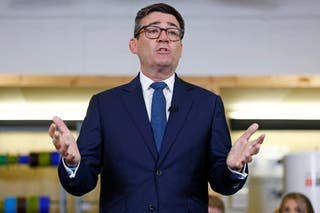
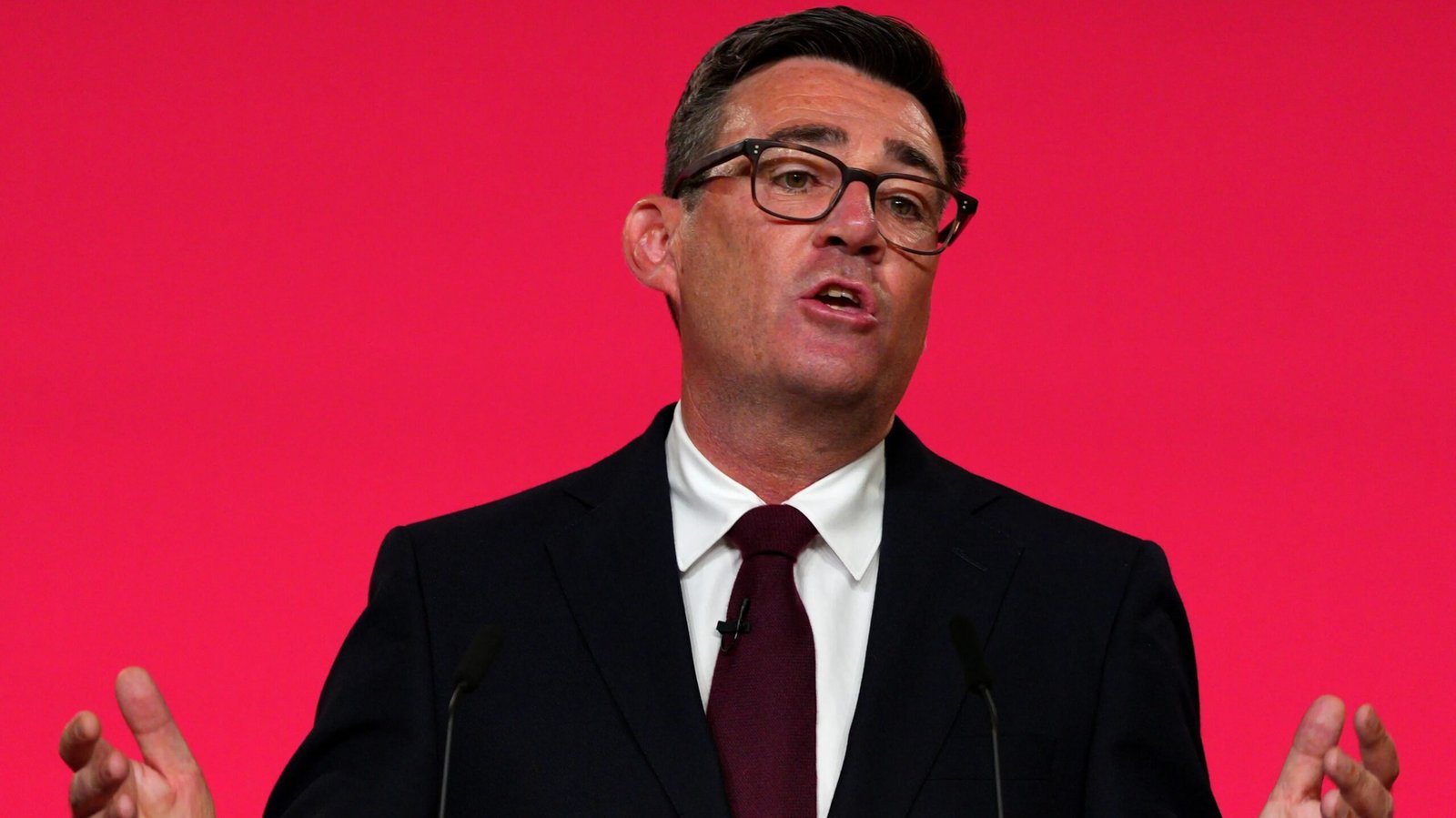
Burnham, during a speech at the Trades Union Congress in London, claimed that political and economic powers had been misallocated, arguing that the privatisation of essential services has left citizens vulnerable to escalating costs. Declaring a commitment to public ownership of vital sectors, he expressed a vision of redistributing power and wealth more equitably across the UK.
However, the lack of specific policies in his agenda has attracted criticism. Many have pointed out that while he has outlined broad principles, he has not provided concrete details on how he intends to implement his vision. Labour MP Graham Stringer, one of the few not to endorse him for leadership, remarked on the absence of a clear policy framework, stating, “Andy hasn’t told us what he is going to do.”
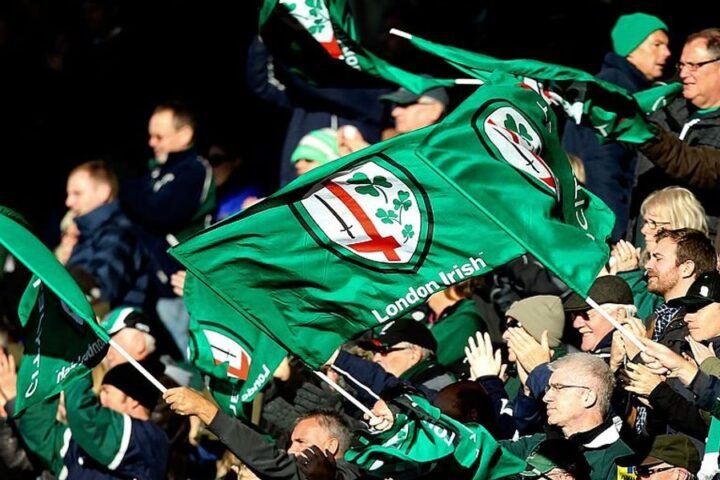
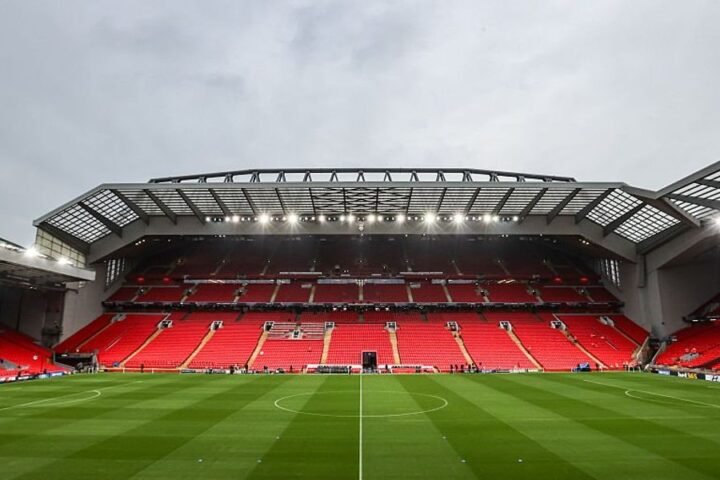
Burnham announced his intention to create a government focused on social equity, including pledges for mass council house building, public ownership initiatives, and the reconsideration of drinking policies in football stadiums. While he expresses a desire for significant reform, specific measures remain broadly defined and general.
As he prepares to take office, Burnham has not yet appointed his Cabinet, noting that revealing his team’s makeup would potentially lead to unrest within the party. He acknowledged the challenges facing the new administration, which include sluggish economic growth and ongoing crises both domestically and internationally, including the situations in Ukraine and the Middle East.
The transition to Burnham’s leadership brings a mix of hope and uncertainty, as Labour polls suggest a possible “Burnham Bounce,” with the party reportedly leveling with Reform UK in public opinion surveys. Nevertheless, the hurdles ahead, including the need for clear policies to address pressing societal issues, remain formidable.
With his premiership set against a backdrop of political turbulence, Burnham’s ability to navigate and unite various factions within the party while presenting a coherent strategy will be closely scrutinised in the coming weeks.
As political dynamics evolve, the question remains whether Burnham can articulate and implement a vision that resonates broadly across the UK, addressing the intricate balance of local and national interests.
His imminent challenge lies not only in potential reforms but also in maintaining party unity and gaining the public’s trust as he embarks on this pivotal journey.
The developments surrounding Burnham’s rise reflect a broader conversation about party leadership in the UK, with implications that may influence the landscape of British politics for years to come.