Andy Burnham becomes new leader of the Labour Party
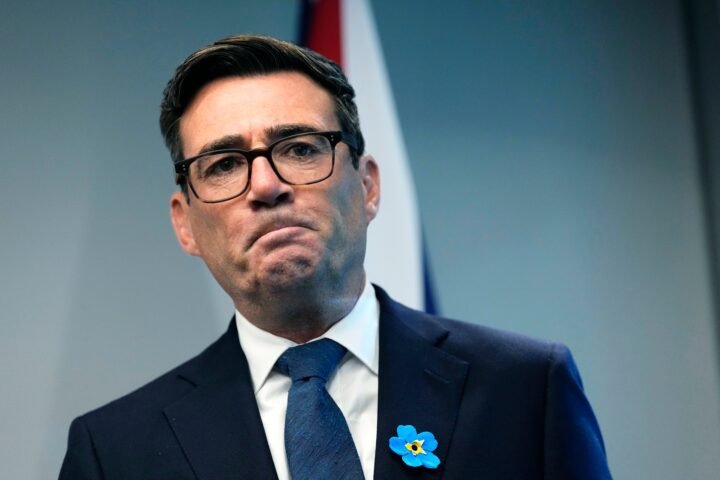
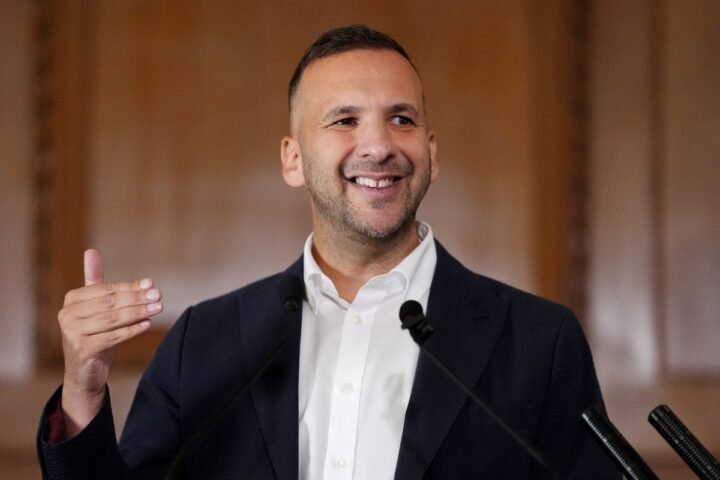
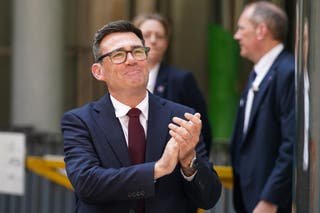
Andy Burnham has been announced as the new leader of the Labour Party, securing 379 nominations from MPs and gaining the support of all affiliated trade unions and socialist groups. In his acceptance speech, he expressed readiness to lead and promised an agenda for change, reports BritPanorama.
The atmosphere among Labour members was notably positive as they welcomed their new leader, urging unity against what Burnham termed “the new right.” His speech lasted almost 40 minutes, during which he portrayed himself as a man of the people who has learned from past mistakes.
Despite the optimism, many observers noted uncertainties surrounding his plans. While Burnham declared, “I have a plan,” specifics were lacking, leaving questions about his intended policies unaddressed.
Surprisingly, with only three days until he assumes office, Burnham has yet to finalise his ministerial appointments, prompting some scepticism regarding this claim. He did outline five key priorities: party unity, national unity, a new approach to significant issues, increased devolution, and defining Labour’s distinct ideology.
However, these points did not significantly clarify how he intends to reverse four decades of economic consensus or end what he described as “Thatcherite” policies, particularly concerning the so-called “Makerfield test” meant to evaluate benefits for disadvantaged communities.
Burnham displayed humility during his address by revealing that a key moment prompting his change in approach was when he faced jeers from Liverpool fans in 2009 due to his inadequate response to the 1989 Hillsborough disaster.
He explicitly communicated the gravity of the situation, stating, “this is a last chance,” a sentiment echoed by more seasoned figures from the Labour Party’s tumultuous history.
Burnham acknowledged influential figures in his political upbringing, like Neil Kinnock and David Blunkett, present to provide context for both celebration and caution. In stark contrast, many of Keir Starmer’s cabinet members were absent during this pivotal announcement, underscoring the party’s recent internal conflicts that led to Starmer’s departure.
Notably, deputy leader Lucy Powell, a long-time ally, introduced Burnham, while home secretary Shabana Mahmood, tipped to be his new chancellor, announced the results as chair of the National Executive Committee. Scottish leader Anas Sarwar and a select group of MPs were also in attendance, while others opted for early summer holidays.
The new leadership provides Labour with an opportunity as Reform faces internal challenges and the Conservative Party continues to struggle. The crucial question remains whether Burnham possesses the vision and decisiveness necessary to capitalize on this moment, now with three years to prove his leadership abilities.