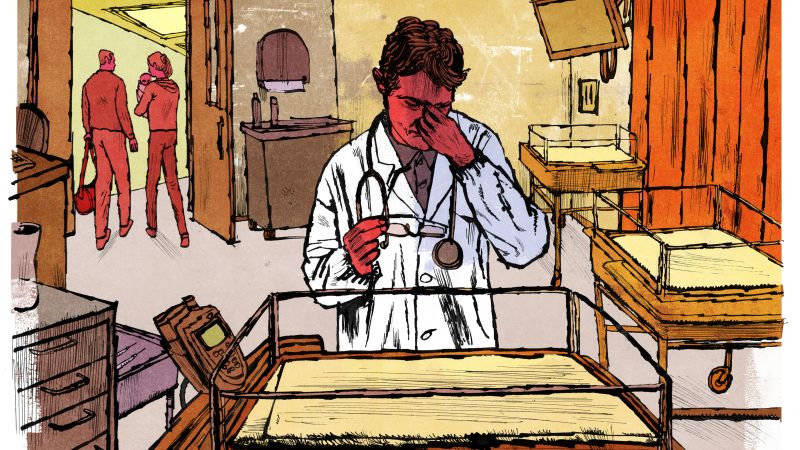
Rise in vitamin K shot refusals leaves newborns at risk
A concerning trend has emerged in the United States, where an increasing number of families are opting out of administering the vitamin K shot to their newborns, a preventive measure that can avert potentially fatal bleeding disorders. Reports indicate a rise in such refusals, particularly during the pandemic, highlighting an urgent public health issue, reports BritPanorama.
Recent statistics reveal that in 2024, the refusal rate for the vitamin K shot amongst newborns exceeded 5%, a significant increase from previous years. The increase corresponds with a series of tragic cases where infants developed severe complications due to vitamin K deficiency bleeding, a condition that can lead to brain damage or even death.
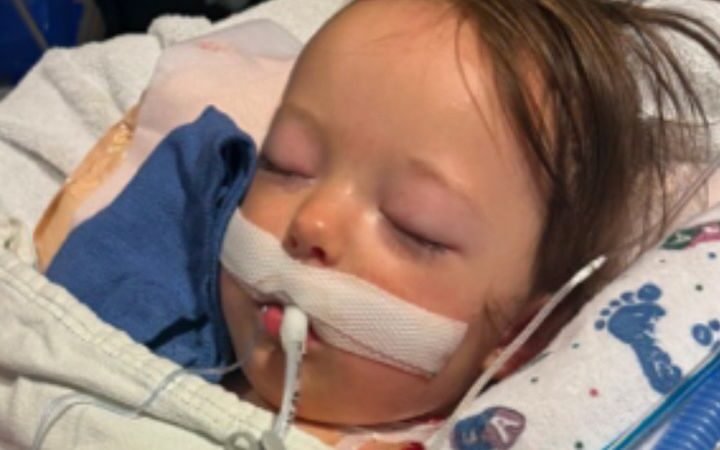
For instance, numerous cases documented by healthcare professionals recount newborns experiencing severe health crises shortly after birth. Symptoms included sudden seizures, difficulty breathing, and lethargy. Tragically, some infants succumbed to their conditions despite intensive medical treatment.
Investigations into these cases have identified a pattern: nearly all fatalities stemmed from the absence of the vitamin K shot, a routine and inexpensive intervention known to effectively prevent blood clotting disorders in infants. According to experts, while many parents decline this shot out of a desire to avoid unnecessary medical interventions, misinformation circulating on social media contributes significantly to these decisions.
Despite being scientifically validated, the vitamin K injection faces skepticism akin to that observed in the vaccination landscape following the pandemic. Experts assert that the decrease in vaccine uptake is coupled with a broader hesitancy towards medical interventions, causing preventable health risks for vulnerable newborns.
The Centers for Disease Control and Prevention (CDC) and the American Academy of Pediatrics continue to advocate for the vitamin K shot, emphasizing its critical role in safeguarding infant health. However, the message appears to be lost on many parents, influenced by anecdotal evidence and unverified claims regarding vaccine safety.
At a recent congressional hearing, Health and Human Services Secretary Robert F. Kennedy Jr. faced significant pressure to affirm the safety of the vitamin K shot, yet his responses did not quell concerns among worried parents. This lack of assurance from health authorities perpetuates a cycle of doubt and declines, exacerbating the existing health risks.
Efforts to understand the implications of declining the vitamin K shot are hampered by the absence of comprehensive data tracking. Current records fail to accurately quantify the number of families rejecting the shot or the subsequent health outcomes, making it difficult to address the growing concern adequately.
Ultimately, while the initial refusal rate remains manageable, experts warn that the upward trend poses significant risks not only for the individual infants affected but also for public health overall. The urgency for informed conversations surrounding this critical intervention has never been clearer.
In an environment where misinformation proliferates, clear advocacy for science-based healthcare decisions remains paramount to ensure the safety and well-being of the next generation.