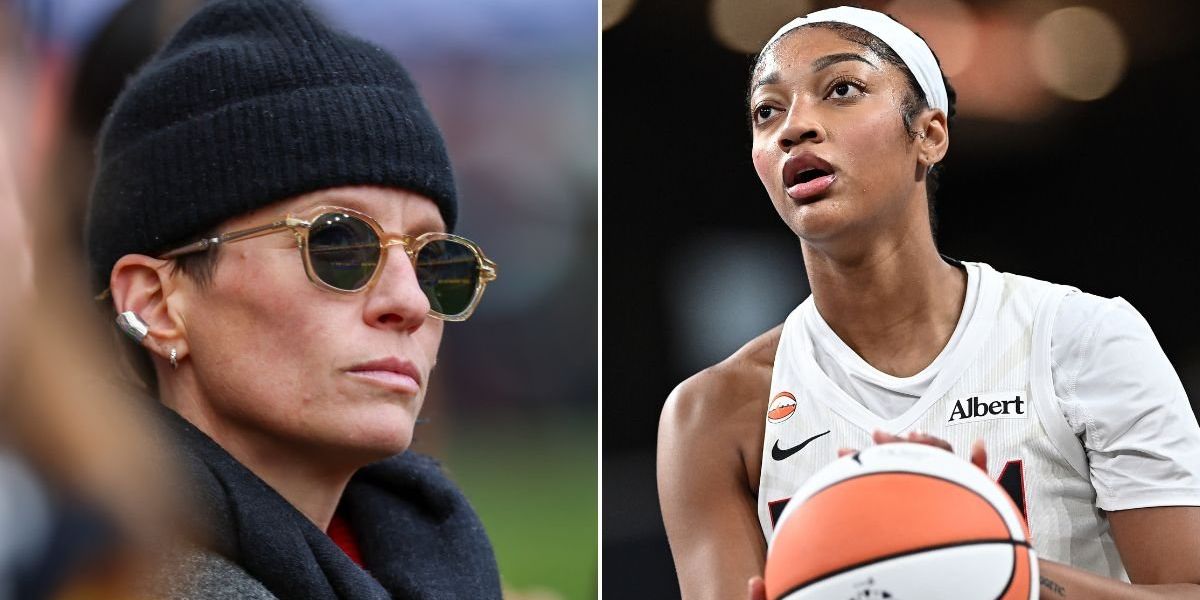
Megan Rapinoe supports Angel Reese’s media decision
Megan Rapinoe has expressed her support for WNBA star Angel Reese’s choice to forgo media sessions and accept any resulting fines, reports BritPanorama.
The retired footballer shared her thoughts on Reese’s decision during a podcast episode titled “A Touch More” on Thursday, characterizing the young athlete’s approach as a bold statement of self-empowerment.
“I think Angel is a really great example of her taking her power back,” Rapinoe remarked. She also indicated that Reese has been unfairly portrayed as a villain even before joining the professional league.
Reese, a guard for the Atlanta Dream, made her position clear in a discussion with former First Lady Michelle Obama on the “IMO” podcast in late April. She expressed a preference for facing financial penalties instead of feeling pressured by the media, stating, “I’ll take a fine before I have to go media and feel like my back is against the wall.”
The 23-year-old athlete has contended that journalists often misinterpret her statements and promote narratives she does not recognize as accurate. Rapinoe clarified that Reese does not intend to avoid the media altogether but is selective about her engagements. “Angel isn’t saying that she’s never gonna do media, but she is saying that she won’t just stand up and take anything that’s thrown at her,” she noted.
Rapinoe called for a reevaluation of how sports journalism operates, especially in relation to women’s basketball. “I think it’s really about like a new level of respect across the board. There needs to be a quality of journalism that is at the level of these athletes,” she asserted. Rapinoe believes Reese’s stance could serve as a source of inspiration for other athletes.
However, her perspective is not universally accepted. Critics argue that postgame interviews are integral to a professional athlete’s role, serving as a crucial means of connecting with fans and fostering personal brand growth. With the WNBA working to increase its visibility, treating press obligations as burdensome could undermine those efforts. Notably, Reese’s own brand, “Bayou Barbie,” has been significantly enhanced by media exposure.
Rapinoe herself has long advocated for increased recognition and respect for women’s sports, adding a layer of complexity to her current stance. As both athletes and their narratives evolve, the intersection of sport and media continues to generate significant discussion.