EU students could leave Britain £1.5 billion in debt
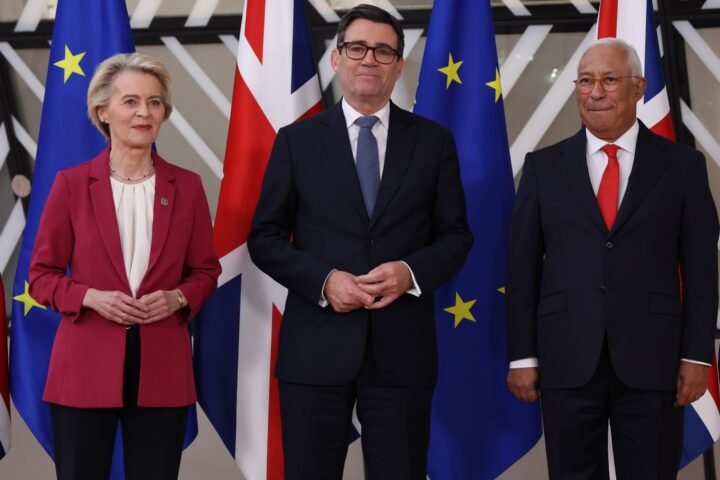
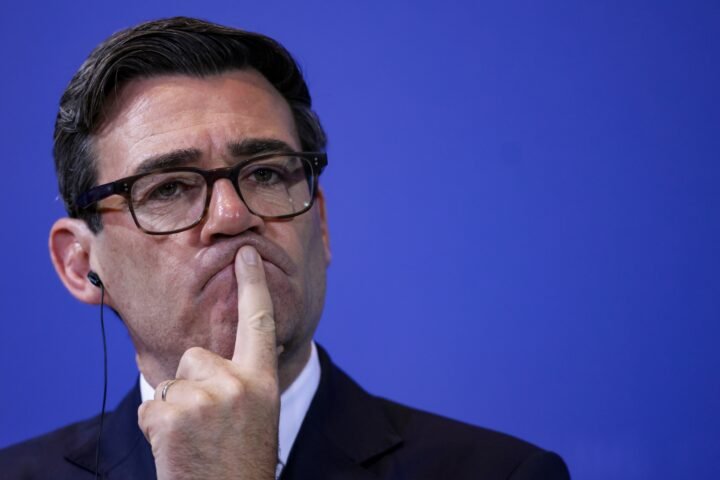
New research indicates that EU students may result in the UK facing £1.5 billion in unpaid university fees, placing additional strain on Prime Minister Andy Burnham’s Brexit deal, which could be jeopardised by escalating disputes over tuition fees, reports BritPanorama.
Figures released by Reform UK reveal that approximately 172,000 European students owe a cumulative total of £6.2 billion to UK universities. Of these, around 43,700 have not made any repayments in the last year, contributing to a substantial £360 million shortfall. If left unaddressed, this could culminate in £1.5 billion in unpaid fees to UK institutions.
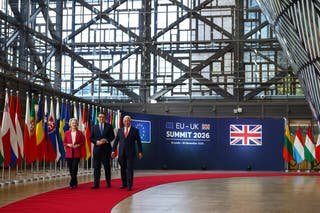
Brussels has issued a six-month ultimatum, threatening to nullify an agreement if the UK does not align EU tuition fees with those charged to British students. This move has raised alarms among UK universities, which anticipate a potential £500 million funding gap if these fees are reduced.
In this contentious landscape, Suella Braverman, Reform UK’s Education chief, has criticized Burnham’s approach, asserting it prioritizes foreign students over domestic ones. She stated, “It is disgraceful that Andy Burnham is willing to spend hundreds of millions cutting student fees for foreign students while allowing British youngsters to be ripped off with mountains of debt.” She has called for measures to restrict entry to foreign students who fail to repay their loans.
Academic leaders have echoed concerns regarding the financial implications of the proposed fee cuts. Professor Duncan Ivison, Vice-Chancellor at the University of Manchester, emphasized that any failure to address this issue could detrimentally impact the higher education sector, which is already grappling with financial pressures exacerbated by inflation.
Vivienne Stern, CEO of Universities UK, underscored the precarious situation, stating that UK universities rely heavily on the fees charged to foreign students to support the education of British students. She warned that without a sustainable financial model, the integrity of the university system would be compromised.
Amidst these developments, Burnham’s stance on Brexit continues to evolve, with some Labour MPs expressing optimism about the potential for re-engagement with the EU. This has sparked backlash from figures like Nigel Farage, who accused the Prime Minister of betraying democratic principles established by the Brexit vote.
In light of these unfolding events, a government spokesperson clarified that while agreements on food and drink, emissions trading, and youth mobility have been reached, discussions surrounding tuition fees remain a distinct and ongoing negotiation.
With increasing pressure from various fronts, the outcome of these negotiations could significantly shape the future of UK higher education and its relationship with the EU.
As the debate over university fees continues, the challenge remains of balancing international collaboration with domestic educational needs, an issue that reflects the ongoing complexities of the post-Brexit landscape.