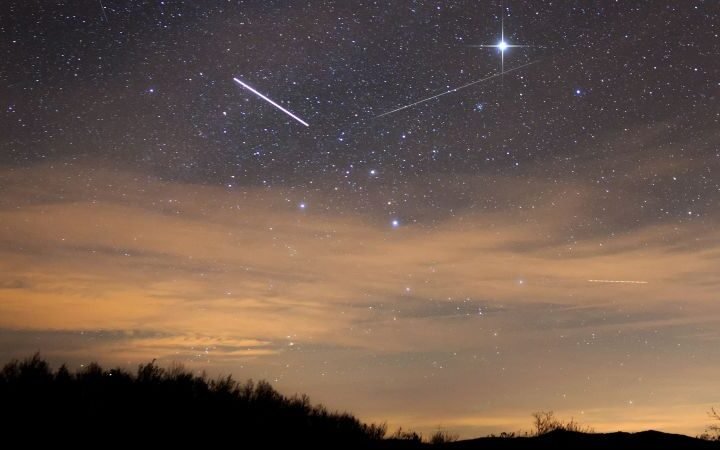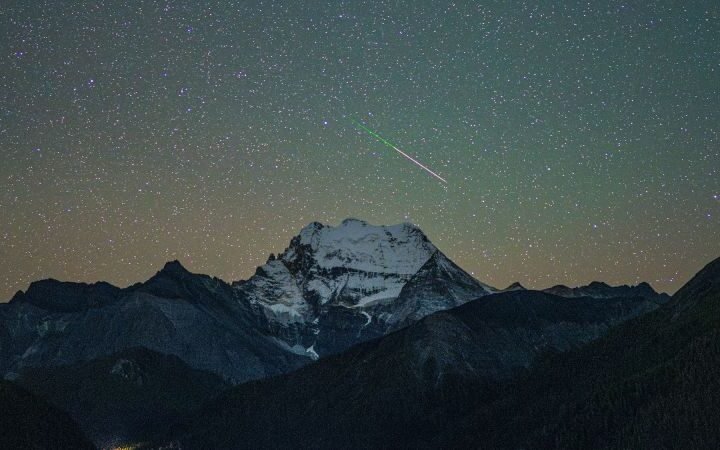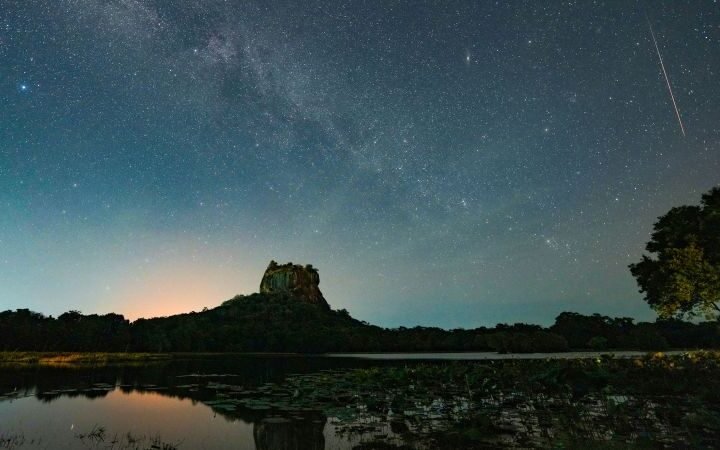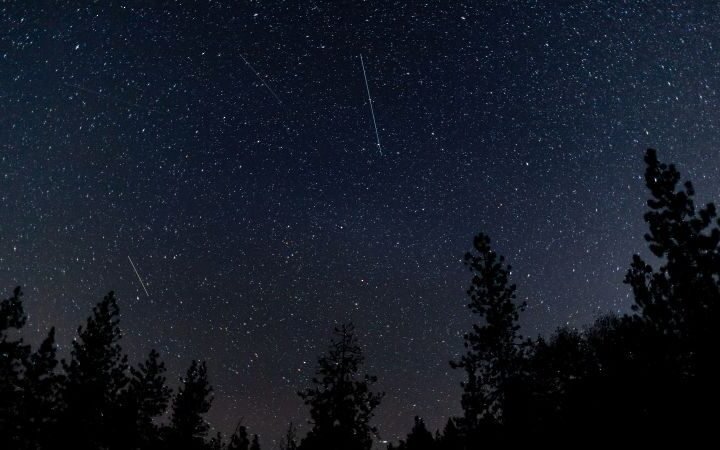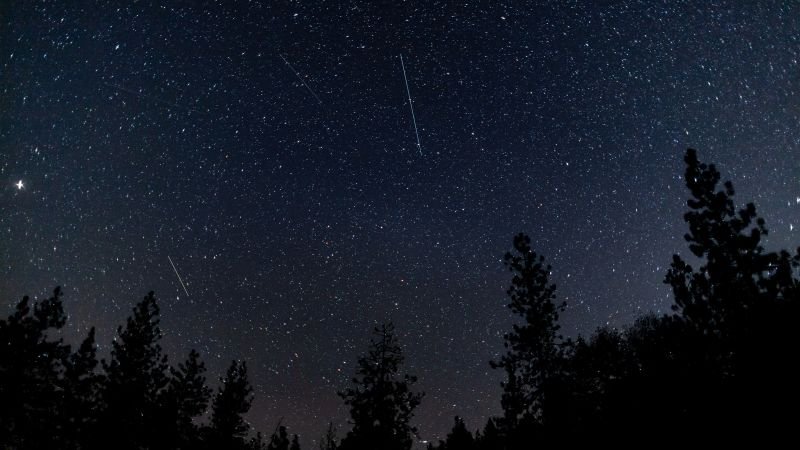
The Northern Taurids meteor shower is reaching its peak this week, offering a chance to witness bright fireballs streaking across the sky, reports BritPanorama. With optimal viewing conditions expected following Monday’s new moon, the best opportunities for observation will occur from Wednesday night into early Thursday morning.
Mark Boslough, a research professor at the University of New Mexico, highlighted the favorable circumstances for viewing, noting, “The observing conditions should be very good. There’s no moonlight to really interfere with getting to see these.” During this period, observers may witness meteors as flashes of light lasting a few seconds.
The Northern Taurids, active from October 20 to December 10, are typically known to produce about five meteors per hour, a figure that may increase to ten when they overlap with the Southern Taurids, which conclude on November 12. These meteor showers arise from debris trails left by asteroids and comets, making Earth’s atmosphere the backdrop for these celestial events.
Meteor showers occur when Earth traverses the debris left by asteroids or comets, igniting bits of ice and rock upon atmospheric entry. The Taurids are distinguished by producing particularly bright fireballs, which can outshine Venus. The larger pieces of debris often leave behind trails observable for minutes, while smaller fragments burn out quickly. “One of the interesting things about the Taurid meteor shower is that it does produce these larger objects,” Boslough stated.
Observing the Northern Taurids
To maximize viewing enjoyment, find a dark location and allow approximately half an hour for your eyes to adjust to the darkness. Despite peak activity occurring at 1 p.m. ET on Thursday, the best viewing conditions on Wednesday night will feature a 4%-full waxing crescent moon. Observers are encouraged to look toward the Taurus constellation, from which the meteors appear to radiate.
The ongoing observations of the Taurids aim to assess any potential risks to Earth from larger debris. Boslough’s research team specifically tracks the meteor showers to gauge the potential hazards of impact. Their findings from a 2025 study suggest that the Taurid stream may contain more hazardous objects than previously recognized.
Boslough emphasized that the interest of planetary defense experts lies in the possibility of meteors associated with these conditions. “Observations of this meteor shower will tell us whether there’s anything in there that could put us at risk,” he said. The Taurids provide a pertinent backdrop for studying such risks, although Boslough clarified that ongoing monitoring is primarily out of precaution rather than immediate concern.
Ongoing questions about the Northern Taurids
The Northern Taurids are associated with asteroid 2004 TG10, which scientists believe originated from a larger body that fragmented approximately 20,000 years ago. The complex structure of the Taurid meteor stream features multiple debris sources. Boslough pointed out that this makes the Taurids quite distinct from more straightforward meteor showers, like the Perseids.
As Boslough prepares for a notably dense Taurid shower anticipated in 2032, his team is focusing on identifying clusters of hazardous debris, utilizing telescopes to detect small, heat-emitting objects. He reiterated the speculative nature of the risks involved, assuring that the idea of an imminent dense swarm of dangerous objects lacks substantial evidence, yet remains an area worth monitoring due to the elevated risk during specific times.
Upcoming meteor showers
As the year progresses, several more meteor showers are scheduled for observation. Key dates to watch for include:
· Leonids: November 16-17
· Geminids: December 13-14
· Ursids: December 21-22
These celestial events provide a continued opportunity for sky-gazing enthusiasts as 2025 draws to a close, reinforcing the enduring allure of meteor showers.