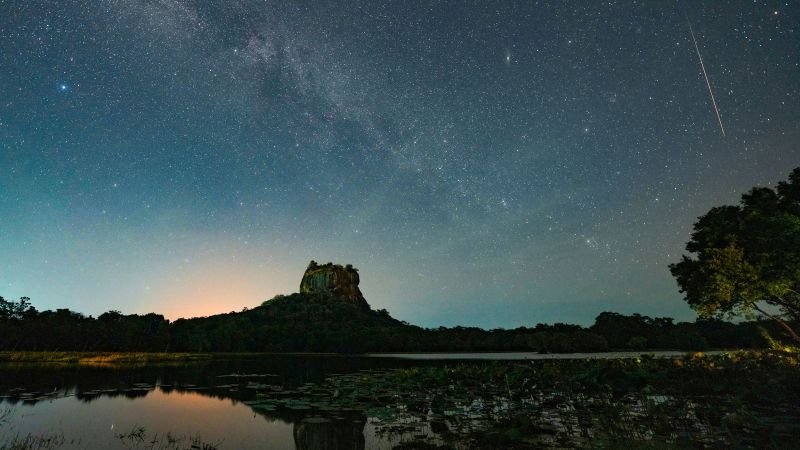
Some sky-gazers may witness a rare celestial event this week as a dazzling meteor shower coincides with a total solar eclipse, reports BritPanorama.
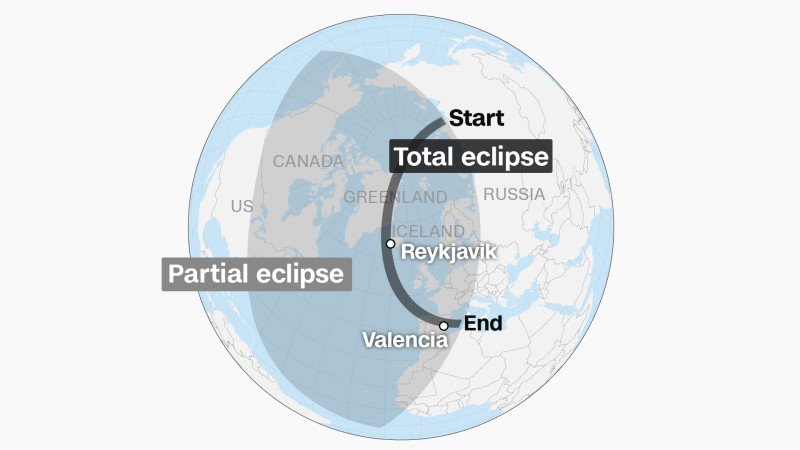
The Perseid meteor shower is expected to be visible on Wednesday night and into Thursday morning, reaching its peak at 10:53 a.m. ET on Thursday. This event is best observed from the Northern Hemisphere. In addition to the meteor shower, a total solar eclipse will occur, passing over several locations in the Northern Hemisphere.
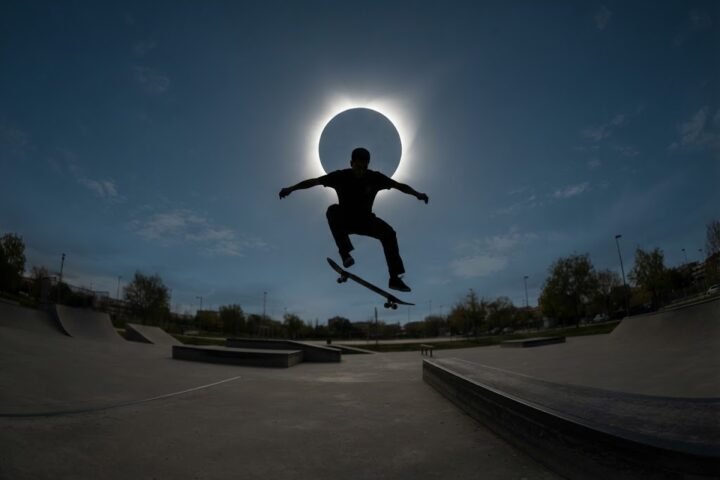
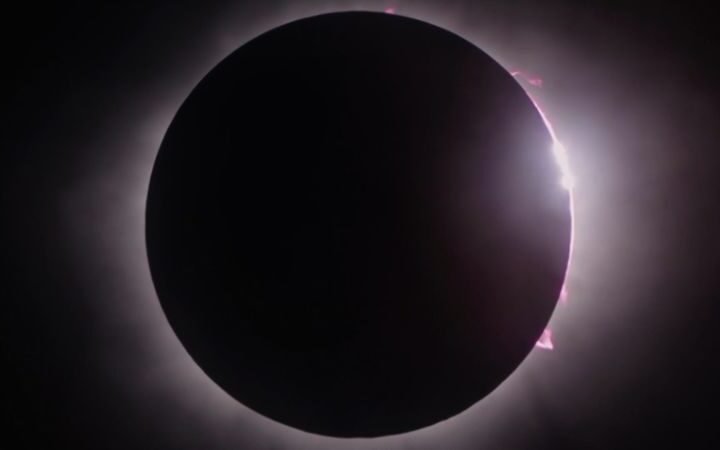
A total solar eclipse happens when the Moon moves directly between Earth and the Sun, causing a complete obstruction of sunlight and resulting in a brief period of darkness known as totality. Major viewing sites include parts of Iceland, northern Spain, and northeastern Portugal, while a partial eclipse will be visible in regions such as northern United States, Canada, and other portions of Europe.
According to Robert Lunsford, the fireball report coordinator for the American Meteor Society, occurrences of a meteor shower peak coinciding with a solar eclipse are incredibly rare. “Folks will see meteors during totality if they are in the right place,” he noted.
Solar eclipses always align with a new moon, allowing for minimal moonlight interference that enhances visibility of meteors. Observers in areas experiencing totality may catch sight of meteors against the darkened backdrop of the sky during this rare alignment.
What are the Perseids?
Experts consider the Perseid meteor shower to be among the best meteor showers for observation. Historical records show that the Perseids have been observed for over 2,000 years, with meteors radiating from the constellation of Perseus.
This shower is particularly noted for its fireballs — exceptionally bright meteors that can be seen longer than others. As they travel at high velocities, these fireballs leave glowing, colorful trails across the sky. Observers in rural areas may witness 30 to 50 meteors per hour, while urban locations may yield around 15 to 25.
“If you look in one direction, you’re going to miss the ones behind you,” cautioned Dr. Shannon Schmoll, director of Abrams Planetarium at Michigan State University. “Realistically, if you’re in a dark sky site, you’ll see between 30 and 50.”
The parent comet of the Perseids, 109P/Swift-Tuttle, orbits the Sun approximately every 133 years, although it will not be directly visible during this meteor shower.
The Perseids are not the only meteor showers currently active; others include the Southern Delta Aquariids and the Alpha Capricorniids, which peaked in late July but remain active until mid to late August.
What can we learn from meteor showers?
Meteor showers provide spectacular views and valuable opportunities for both sky-gazers and scientists to learn more about our solar system. Keeping track of comets assists researchers in understanding space navigation and the composition of cosmic materials.
“These are leftover chunks from the formation of our solar system,” Schmoll explained. “The more we can study them and know when they’re coming back helps us check for how close they will get to us, and if we need to take any measures to avoid them.”
Furthermore, meteor showers connect individuals to the broader universe. “It’s a reminder that we are not just alone on our planet,” Schmoll said. “We’re part of something bigger.”
Upcoming meteor showers
Several more meteor showers are anticipated later this year. Below are their peak dates according to the American Meteor Society:
- Orionids: October 21-22
- Southern Taurids: November 4-5
- Northern Taurids: November 11-12
- Leonids: November 16-17
- Geminids: December 13-14
- Ursids: December 21-22
As celestial events unfold, the scientific community and sky enthusiasts will continue to engage with the mysteries of the universe and their implications for our understanding of space. The prospects for observation remain as captivating as ever.