The Orionids offer stunning celestial display despite bright moon
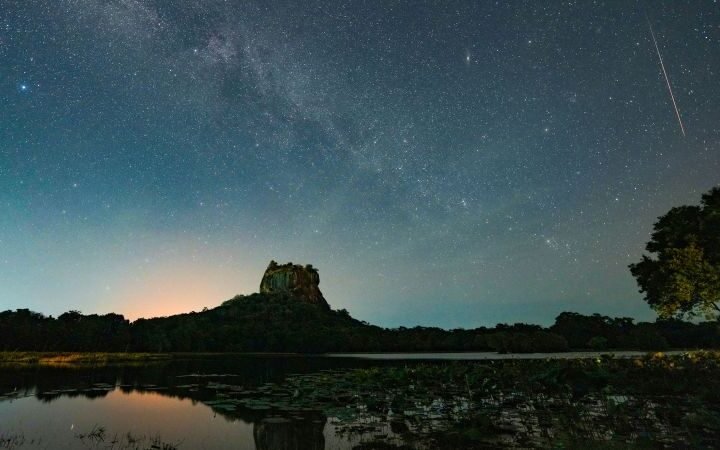
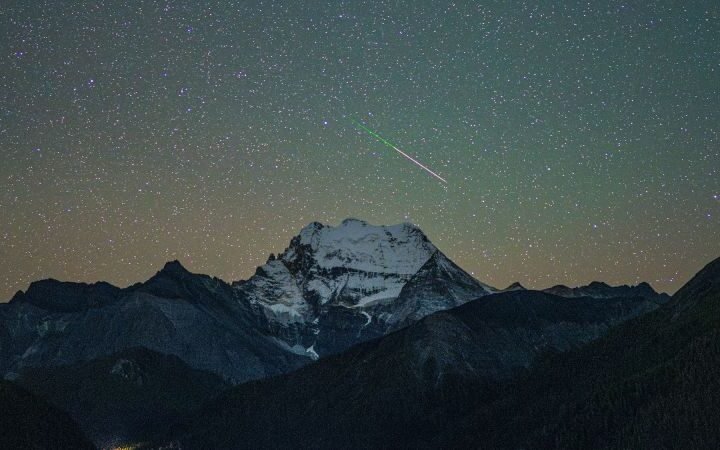
The Orionid meteor shower, renowned for its spectacular night sky displays, faces a challenging observation period this year due to a prominent waxing gibbous moon. The shower is anticipated to peak at 2 p.m. ET Wednesday, presenting the best opportunity for sky-watchers during the overnight hours between Wednesday and Thursday, reports BritPanorama.
Observers in both the Northern and Southern hemispheres can expect to see meteors shooting across the sky after midnight local time, with as many as 20 meteors visible per hour before dawn. However, the moon will be 76% illuminated, complicating visibility during certain periods, according to the American Meteor Society. Fortunately, the moon is expected to set a few hours before sunrise, creating a better window for viewing.
The Orionids result from Earth’s passage through the debris left by Halley’s Comet. This intricate celestial dance occurs annually, and the meteors are known for their swift speed of around 41 miles per second, occasionally leaving behind luminous trails or fireballs as they burn up in the atmosphere. Observers are advised to find remote areas with minimal light pollution for optimal viewing.
Upcoming meteor showers to watch for
As the year progresses, several more meteor showers are set to entertain stargazers. Key dates for these celestial events are as follows, according to the American Meteor Society:
- Southern Taurids: November 4-5
- Northern Taurids: November 11-12
- Leonids: November 16-17
- Geminids: December 13-14
- Ursids: December 21-22
These upcoming events promise additional opportunities to witness the beauty of the night sky as 2025 draws to a close.