China warns of retaliation against U.S. AI product ban
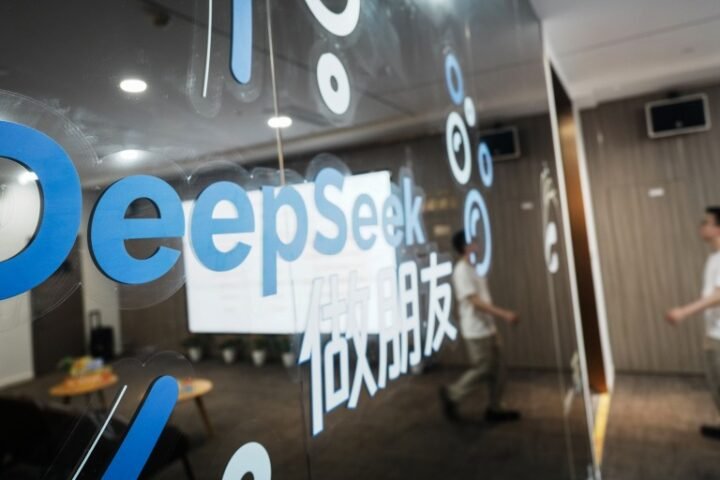
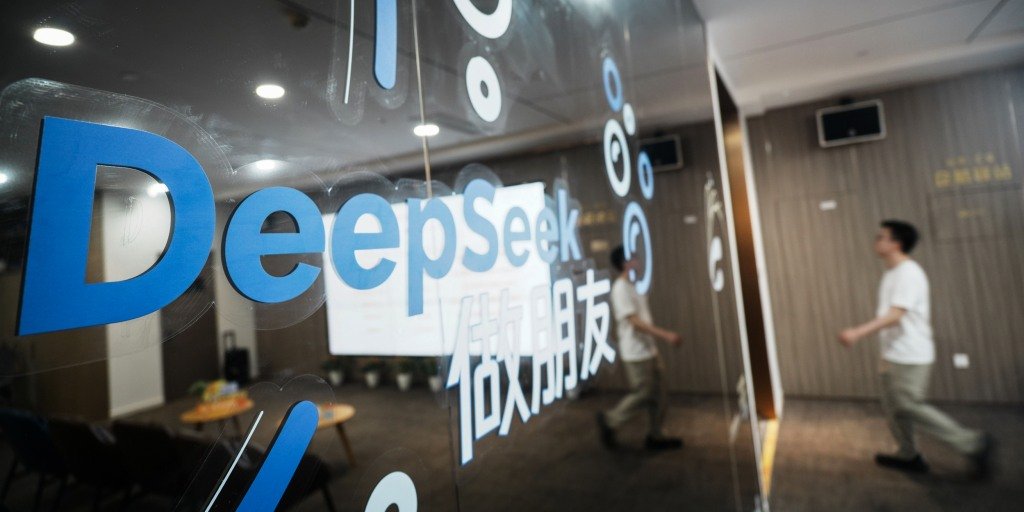
China retaliated on Tuesday against a U.S. ban on federal civilian agencies using products from Chinese artificial intelligence startup DeepSeek, warning of potential countermeasures as competition intensifies between the two nations in AI technology, reports BritPanorama.
The U.S. Department of Homeland Security declared that agencies must eliminate DeepSeek products and associated third-party services from their IT systems, following a notice made public on Monday.
This latest escalation illustrates the “depth of strategic distrust between Beijing and Washington,” noted George Chen, partner and chair of digital practice at the Asia Group consultancy, despite ongoing efforts by U.S. President Donald Trump and Chinese leader Xi Jinping to sustain a “warm and constructive” relationship.
The Homeland Security order, instated in late July, further prohibits civilian agencies from acquiring DeepSeek’s products and services.
DeepSeek’s models, which are open-source and largely available for free, raise concerns due to their servers being based in China. As highlighted in the order, there are worries that authorities could access sensitive U.S. data.
In response to the U.S. ban, Foreign Ministry spokesperson Mao Ning stated that China “will resolutely safeguard the legitimate rights and interests of Chinese companies.”
She added, “China consistently opposes the overstretching of the concept of national security,” as the Ministry of Commerce expressed “strong dissatisfaction and firm opposition” concerning the ban. The ministry argued that the U.S. disregarded existing consensus and economic relations.
Under the pretext of national security, the U.S. is seen as attempting to suppress China, with the commerce ministry stating, “China will closely monitor the situation and take all necessary measures to firmly defend its legitimate rights and interests.”
DeepSeek has yet to comment publicly on the matter.
Despite recent collaboration on AI governance and a U.S. proposal for a notification system regarding national security-related incidents, China and the U.S. continue to grapple with disputes on various fronts.
Discussions on AI are anticipated to be a key focus when Trump and Xi meet mid-November during the Asia-Pacific Economic Cooperation summit in Shenzhen, China. Their last meeting occurred in September during Xi’s state visit to Washington.
Current U.S. restrictions bar China from accessing some of the most advanced AI chips and the manufacturing apparatus for them.
Additionally, the U.S. has claimed that Chinese startups like DeepSeek have been involved in large-scale “distillation” of capabilities from leading American AI models, a claim denied by Beijing.
Last week, China initiated its own measures aimed at restricting exports of certain advanced AI models.