Living without a smartphone: Insights from August Lamm
A shift away from smartphone dependency could lead to profound personal transformation, according to August Lamm, a visual artist and activist. In her recently published book, “You Don’t Need a Smartphone: A Practical Guide to Downgrading Your Phone and Upgrading Your Life,” Lamm argues that the benefits of living without this popular device far outweigh any potential inconveniences, reports BritPanorama.
Lamm, who discarded her smartphone in 2022 shortly after her 27th birthday, noted that her perception of time changed significantly. Instead of spending excessive hours on a screen, she found herself engaging more authentically with friends and acquaintances. “When I got rid of my smartphone, I found that I was actually making more friends, and the friendships that I already had became more solid,” she stated.
The book reflects on her personal journey, sharing insights on how disconnecting from technology allowed her to reclaim time and foster deeper connections. She points out that adults aged 13 to 18 typically dedicate over eight hours a day to screens, a habit associated with lower mental and physical health, according to the Office of the US Surgeon General.
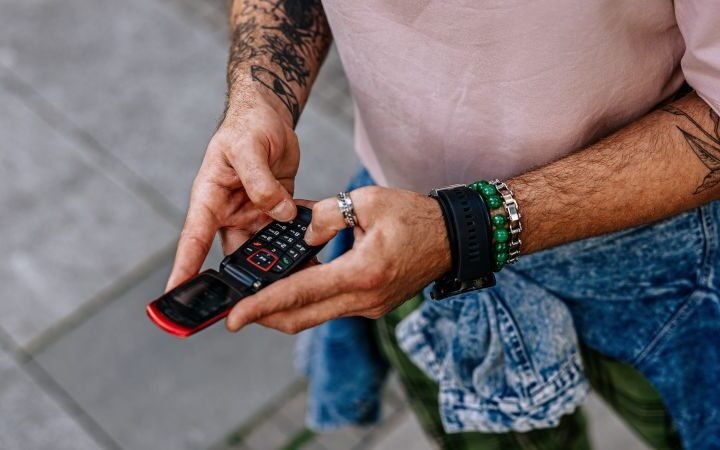
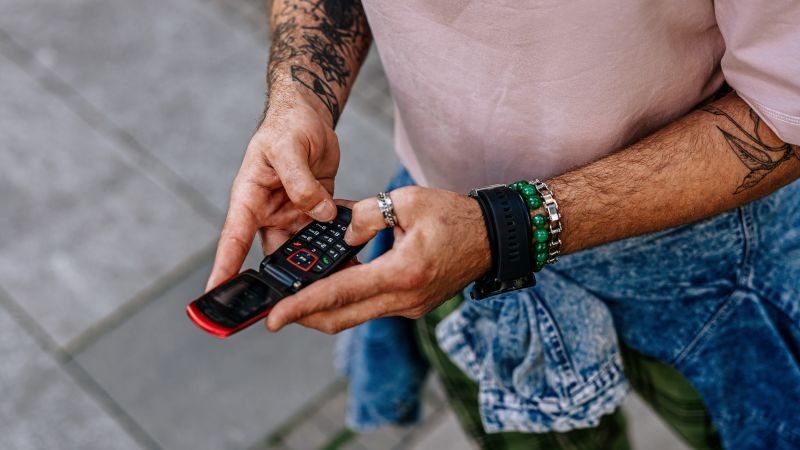
Lamm’s transition to a flip phone without web access drastically altered her interactions. She emphasizes that the absence of frequent notifications creates space for more genuine interactions, as friends could no longer rely on social media to communicate important life updates. Instead, they had to share such news over the phone or during in-person conversations.
“You give off more open social energy when you’re not diverting any of it into a device,” Lamm explained. “You’re fully present when you are with people.” This intentionality in socializing has reportedly strengthened her relationships, contrasting with the superficial connections fostered through social media.
Lamm’s assertions prompt a reflection on what she describes as “learned helplessness” prevalent among smartphone users, especially in navigating daily tasks like finding directions or managing appointments. By returning to traditional methods, she discovered a resurgence of cognitive skills that many believe have weakened due to device dependency.
“Naturally, we absorb information and have great recall,” she said, asserting that people often underestimate their memory capabilities. The experience of reconnecting with one’s surroundings has left Lamm appreciating the present moment without the distractions that previously caused agitation.
Ultimately, she challenges the notion that smartphones save time; as she demonstrates, the time lost in constant scrolling far exceeds the time saved through digital conveniences. “If you remove that possibility, you get all this time back,” she mused, indicating that her lifestyle changes have resulted in both a calmer mind and a steadier social life.
In a world increasingly dominated by technology, Lamm’s insights serve as a compelling call to consider the implications of smartphone usage on mental well-being and social engagement. Her experience serves as an invitation to re-evaluate our reliance on technology, presenting a pathway towards a more engaged and fulfilling life.