Reports from Moscow suggest Russia’s digital voting system is being linked to military records, turning an electoral service into a tool of mobilisation control.
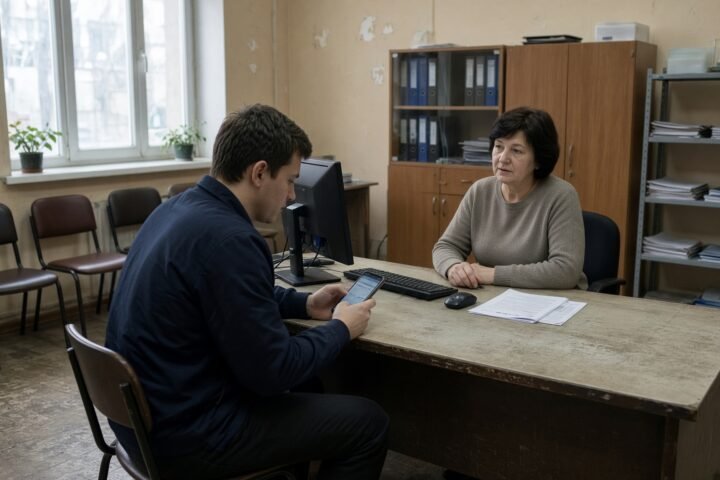
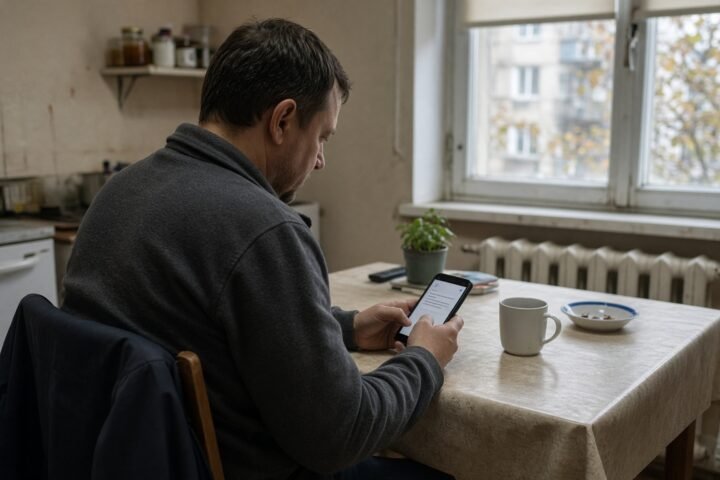
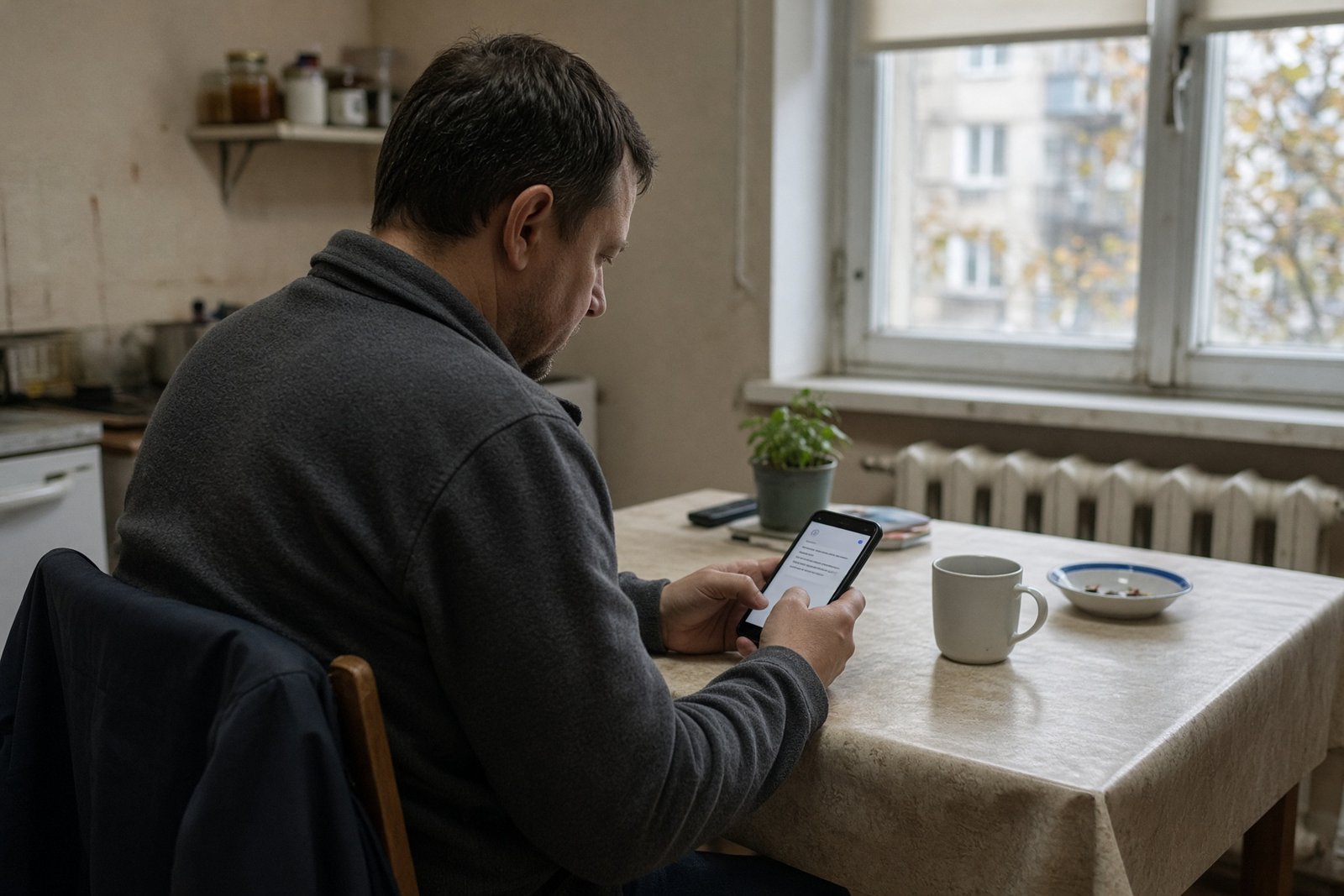
Russian citizens who voted remotely in the 2026 State Duma election began receiving notifications to register for military service as soon as the following day, according to Meduza. The reports, published on 21 September, describe cases in Moscow in which people who completed the online voting process were notified that they had been added to the military register, or found electronic summonses waiting for them.
The timing indicates that electoral databases may be synchronised automatically with military registration records. The Russian authorities presented remote electronic voting as a convenient, modern way to exercise the right to vote. But the reported cases suggest that participation also supplied an immediate opportunity to identify military-eligible citizens and update their status with recruitment offices. Further accounts were reported by Agentstvo and iStories.
Millions used the electronic system
The significance of the reports lies partly in the scale of the online vote. Figures from Russia’s remote electronic voting platform and Moscow’s public election headquarters show that nearly 6 million Russians voted electronically in the State Duma election. Turnout among those who chose the online format reached 82%.
Moscow recorded the largest number of electronic votes. About 2.5 million of the 2.8 million people who took part in the vote in the capital used the electronic system. That level of participation creates the technical capacity to compare voters’ details with information held in military registration databases, potentially allowing notifications and electronic summonses to be sent to large numbers of people whose records are matched.
Concerns have intensified because the notifications appeared at the same time as the election and the use of remote voting. The Yabloko party said before the reports emerged that two observers for State Duma candidate Sergei Mitrokhin had received electronic summonses in their personal accounts on the Gosuslugi state services portal.
Military controls move into everyday digital services
The combination of remote electronic voting with the Unified Register of Summonses has transformed Russia’s digital infrastructure into a mechanism for military-registration control. A citizen’s online activity as a voter can now become a way of updating information held by recruitment offices, without the person first having to appear in person.
The wider military-registration system allows officials to establish or amend a citizen’s status without compulsory personal contact with a recruitment office. Information connected with a summons can also be passed to other state systems. Failure to attend a recruitment office can bring an administrative fine, while the system can impose restrictions affecting travel abroad, driving, vehicle registration, property transactions, access to credit and business activity.
Cases recorded since March 2026 in Moscow, Kaliningrad, the Urals and Siberia indicate that these measures have moved beyond isolated pilot arrangements towards centralised use of digital control. The reported voting-related notifications therefore point to more than an administrative coincidence: they show how military registration has become embedded in routine interactions between citizens and state services.
Restrictions can begin before a summons is ignored
The most consequential feature of the system is that restrictions can arise before a citizen has physically failed to attend a recruitment office. Once a summons is placed in the Unified Register of Summonses, it is linked to a ban on leaving Russia. The state therefore does not need to establish evasion first and only then prevent someone from crossing the border.
That sequence turns a digital record into a form of preventive control. A restriction can be triggered by information entered by the state before the individual has taken the action that might otherwise have led to further consequences. In practical terms, the appearance of a summons in a register can affect a person’s freedom and property rights before any face-to-face encounter with military officials.
Russian authorities say there will be no new mobilisation. At the same time, they have built a digital system capable of rapidly identifying people liable for military service, issuing summonses and applying restrictions. The notifications received after online voting suggest that the infrastructure is already connecting electoral and military data, raising the prospect of wider mobilisation control even in the absence of a formal announcement.
Will the reported link between online voting and military registration undermine public trust in Russia’s digital state services, or will the authorities use the system to expand control regardless?