Plans to expand a carbon-fibre plant in Tatarstan would give Moscow the capacity to produce thousands more Geran attack drones each year, raising fresh concerns about their use against Europe.
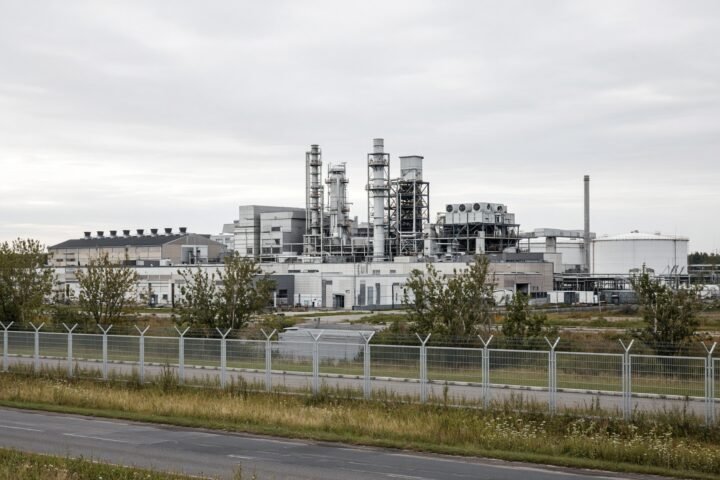
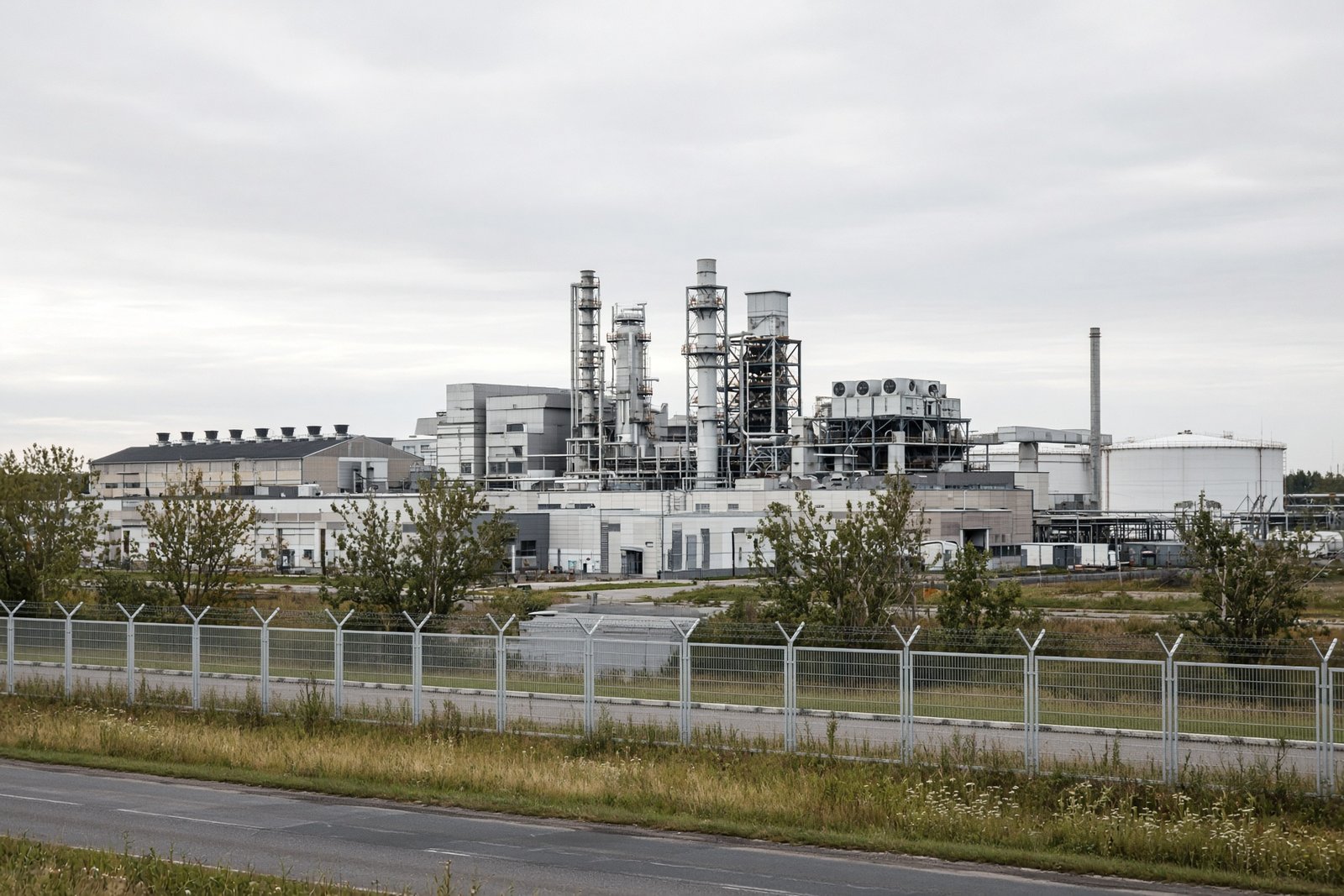
Russia’s state nuclear corporation Rosatom is preparing to expand its Alabuga-Volokno plant in Tatarstan, potentially enabling an additional 500 tonnes of military-grade carbon fibre to be produced annually by 2029. Documents obtained by POLITICO indicate that the increase could support the manufacture of a further 28,000 Geran strike drones a year – a 78% rise in production.
The lightweight but strong material is a critical component in the airframes of unmanned aircraft. Ukraine currently estimates that Russia can produce more than 36,000 Geran-type kamikaze drones a year, meaning the planned expansion would significantly increase the volume of weapons available for attacks on Ukraine and for hybrid operations against European countries.
A military supply chain under sanctions
Alabuga-Volokno and its parent company, UMATEX, are already under sanctions imposed by the US, the UK and the EU. Yet the plant, located in the Alabuga special economic zone, continues to operate as an important part of Russia’s military-industrial complex.
The documents show that the Kremlin is seeking to reduce its reliance on imported carbon-fibre precursors by building domestic production capacity for strategic sectors, above all aviation and defence. The plant is intended to become one of the central links in a wider programme to expand Russian drone manufacturing.
Russia aims to produce about 130,000 drones under its national unmanned aviation systems project by 2030 and raise that figure to 350,000 by 2035, according to expert assessments cited in the material. Those figures describe planned production across the programme, rather than the annual output of Geran drones alone. The Alabuga-Volokno expansion would nevertheless provide a substantial industrial foundation for the effort.
Sanctions have not halted the facility’s production cycle. During the past year, 46 tonnes of chemical feedstock were supplied by Chinese state-owned enterprises, according to the reported findings. Earlier this year, the plant received a concealed shipment of chemicals used to manufacture carbon fibre from a Chinese state corporation.
Beijing says it strictly controls exports of dual-use goods and claims not to have known about Moscow’s plans to expand drone production. The continued flow of materials, however, demonstrates that sanctions have constrained logistics without closing every external supply channel or stopping assembly at Russian facilities.
From Ukraine’s war to Europe’s security
Russia is already using Geran drones against Ukraine and has increasingly drawn on them in hybrid operations directed at Europe. Russian drones have repeatedly violated the borders of EU countries, while attacks affecting cross-border logistics have shown that Moscow is willing to test European security directly.
The threat is becoming more serious as Russia develops jet-powered versions of the Geran. Faster drones could place additional pressure on air-defence systems and become a principal danger to important European infrastructure. A strategy based on producing large numbers of relatively cheap, fast unmanned aircraft is designed to exhaust an opponent’s resources and exploit shortages of expensive precision-interceptor missiles.
The reported expansion therefore carries significance beyond the immediate war in Ukraine. Although the Kremlin publicly denies plans for a direct conflict with western countries, the scale and duration of the industrial projects point to a military infrastructure whose potential exceeds the requirements of current operations in Ukraine.
The Rosatom dilemma
Rosatom’s role creates a particular difficulty for international policy. Dependence on Russian nuclear fuel has discouraged the international community from imposing comprehensive sanctions on the corporation, allowing the Kremlin to use the industrial capacity of a civilian nuclear institution to support military production and dual-use technologies.
That overlap raises questions about whether Rosatom’s position in global energy markets can remain separate from its contribution to Russia’s defence industry. The plant’s continued access to materials also suggests that sanctions will need to focus more tightly on critical chemicals, intermediaries and transport routes rather than relying only on measures against individual companies.
Analysts cited in the material argue that disrupting supply chains and preventing the assembly of drones in Russia must be a priority for Ukraine and its European partners. Intercepting the aircraft only after they enter European airspace would leave the production system intact and allow Moscow to continue testing the limits of European defences.
How should European governments balance pressure on Rosatom’s military-linked activities with their continuing reliance on Russian nuclear-fuel supply chains?