Pressure mounts on Burnham to reverse family farm tax
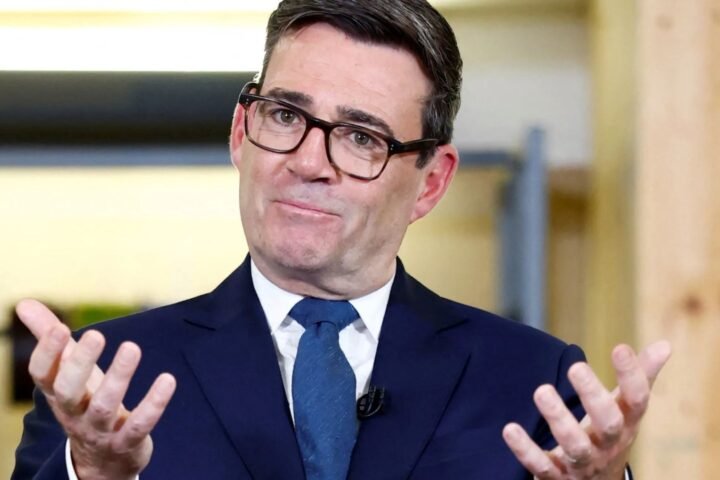
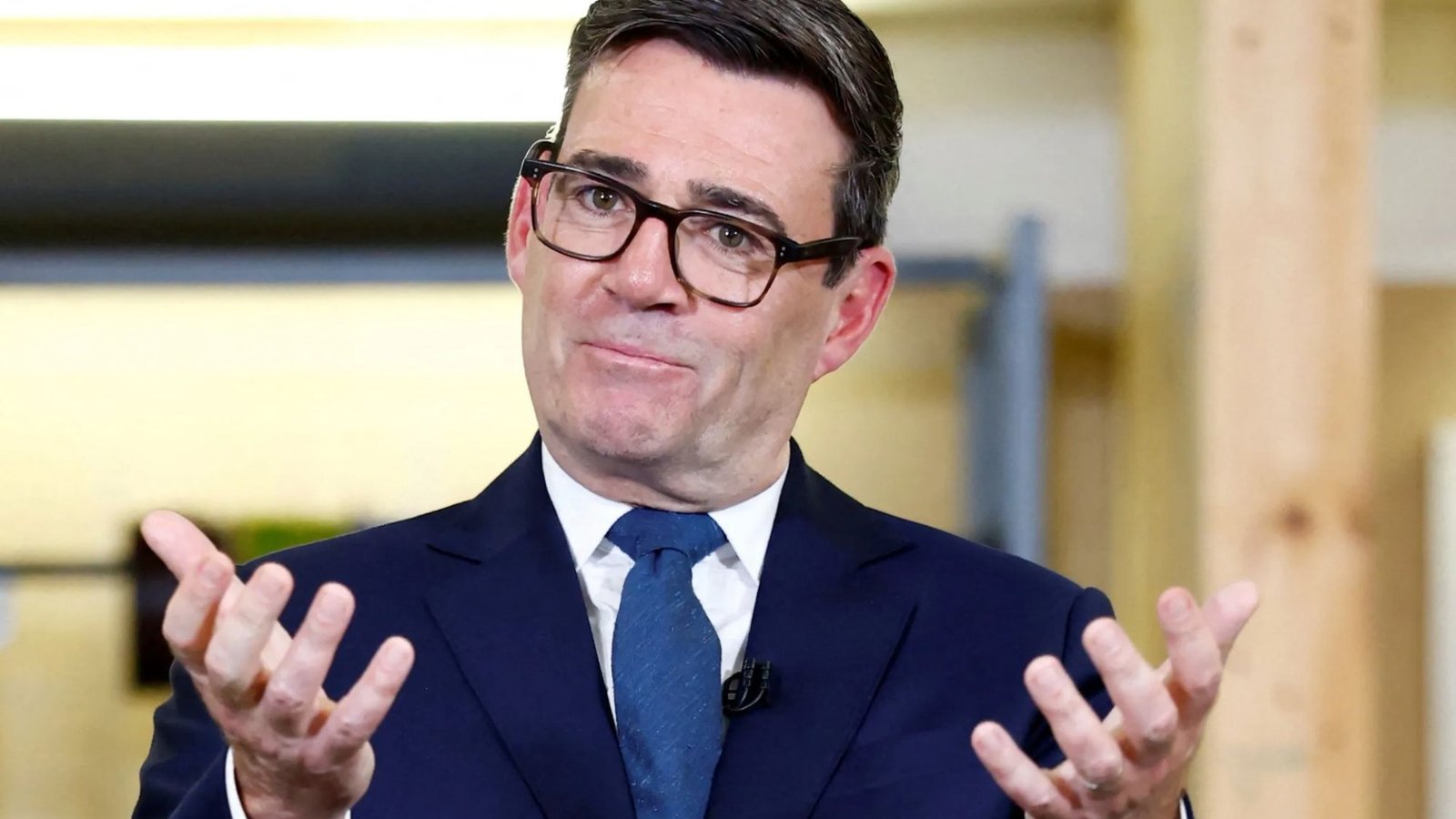
Prime Minister Andy Burnham faces mounting pressure to reverse the controversial family farms tax following backlash from rural communities and influential figures, reports BritPanorama.
Prominent farmer Olly Harrison, a supporter of Jeremy Clarkson, has openly criticized the recent tax policy as detrimental to the agricultural sector, claiming it will drive up food prices. He attributed the flawed policy to “urban Whitehall pen-pushers” who lack practical knowledge of rural life and farming realities.
The family farms tax was introduced under ex-Chancellor Rachel Reeves, imposing a 20% inheritance tax on agricultural land and assets valued over £1 million. The initial backlash prompted a revision of the threshold to £2.5 million, or £5 million for married couples, in December 2025.
Harrison highlighted the disconnect between policymakers and the realities of farming, stating, “They’ve gone to university, they’ve studied Politics, and now they work in London, and they’ve never stepped foot on a farm.” His sentiments reflect a growing frustration within rural Britain regarding government decisions that appear disconnected from the needs of farmers.
Harrison, who also promotes countryside awareness through his YouTube channel, added that civil servants do not understand the lengthy processes involved in food production, which often take months. He stated, “It can be a 12-to-24-month process to produce food on our own shores.”
The Prime Minister’s ties to the agricultural community are becoming increasingly strained as he navigates this criticism. Close ally David Blunkett has characterized the tax as “a mistake” and has urged Burnham to strengthen relations with rural constituents by reconsidering the policy.
As public sentiment against the family farms tax continues to grow, Burnham’s response will be critical in determining not only his political future but also the broader relationship between the government and the agricultural sector.
The situation highlights an ongoing challenge for policymakers, as balancing fiscal policies with the practicalities of rural life remains an essential yet often overlooked aspect of governance.