Unrest in France boosts support for Le Pen
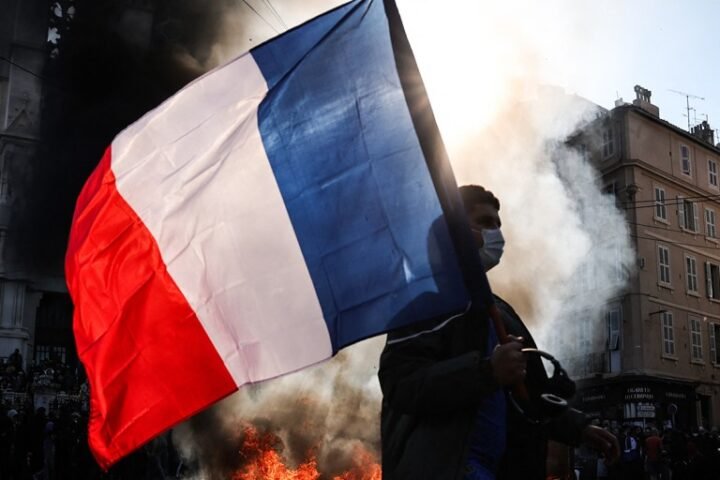
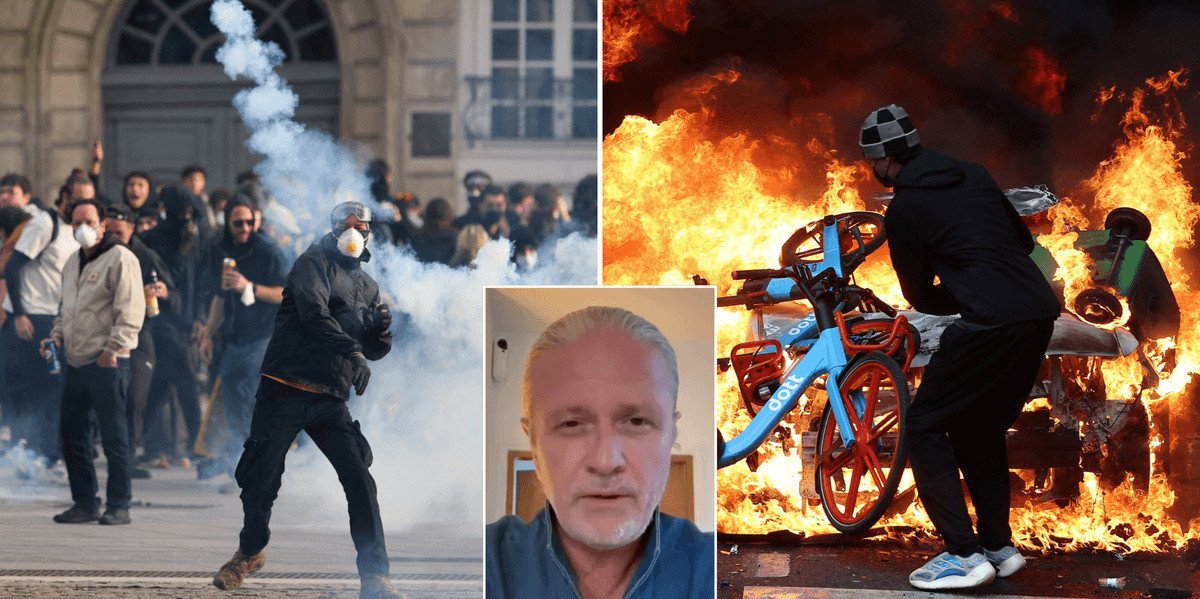
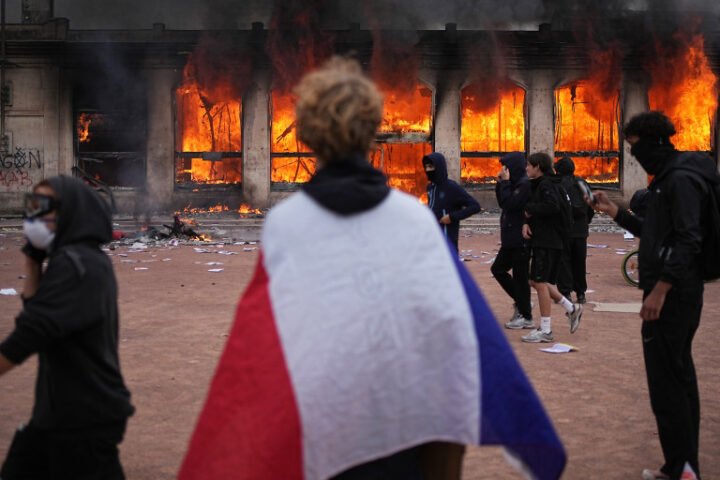
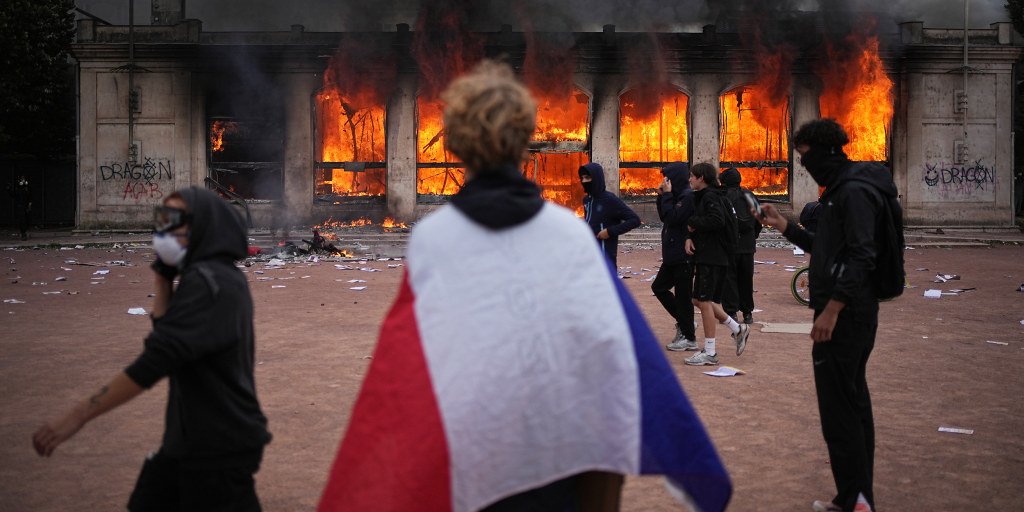
The recent wave of protests and riots in France has enhanced political support for Marine Le Pen, leader of the National Rally party, who is positioning herself as a proponent of law and order, reports BritPanorama.
Le Pen’s party has historically benefited from public anxiety during times of civil unrest. Rainbow Murray, a professor of French politics at Queen Mary University of London, noted that such chaos drives voters toward parties that promise safety and stability.
In recent statements, Le Pen has moderated her stance on immigration and Islam, previously drawing controversial comparisons to the Nazi occupation. She proclaimed to Muslims that there is “absolutely no reason to worry” about her potential presidency. Nevertheless, she also linked the weekend’s violence to “decades of uncontrolled immigration,” a claim that lacks substantiation from officials or reliable data.
The turmoil in France reflects broader unrest across Europe, with economic protests in Italy and other nations devolving into rioting. Governments face increasing pressure from aging populations, rising welfare costs, and escalating military expenditures due to geopolitical tensions, particularly from Russia.
French President Emmanuel Macron has faced criticism not only from the far right but also from local mayors who have condemned what they perceive as inadequate police responses. Macron has attributed the violence to far-left activists, prompting backlash from leftist leaders accusing him of exacerbating the unrest through heavy-handed policing. This discord has allowed Le Pen to gain traction.
Amid these tensions, Macron was criticized for appearing detached during a concert, with images of him and his wife, Brigitte, enjoying a performance by Celine Dion going viral. The optics have drawn comparisons to historical figures such as Louis XVI and Marie Antoinette, underscoring the divide between the government and the public.
The tradition of public demonstrations in France has deep historical roots, having played a pivotal role in significant social reforms. For example, widespread strikes in 1936 led to the establishment of the 40-hour workweek, while widespread protests in 1968 forced President Charles de Gaulle to temporarily abandon the country.
Le Pen is harnessing this narrative of authority to appeal to voters. Jean-Yves Camus, an expert in populism and the far right, indicated that voters witnessing social upheaval often question who can effectively restore order, with Le Pen emerging as a prominent option for many.
As tensions simmer in France and across Europe, the evolving political landscape prompts ongoing reflection about the implications for democratic governance and civil stability.